

How to document the reasoning behind a Single Gas Detector shortlist through RFQ preparation early research
For maintenance planners, reviewing a single gas detector during early research is less about choosing a familiar product name and more about recording how each requirement will be assessed. A useful RFQ preparation process creates a clear trail from the operating question to the information requested from suppliers. It also separates what is stated in product material from what remains a buyer-side decision.
Define the use case and constraints
Begin with a short use-case statement before comparing models. It should describe the work activity, the people who may use the equipment, the gases or hazards under consideration, and the point at which the detector would be used. Keep this description factual and limited to the project’s known scope.
Next, divide the requirements into three groups:
- Essential requirements: conditions that must be addressed for the proposed purchase to remain relevant.
- Preferred features: characteristics that may improve handling or fit but are not yet established as mandatory.
- Open questions: details that need a supplier response, technical review, or internal decision.
This structure prevents a short product description from becoming an untested specification. It also gives the RFQ a practical shape. Instead of asking for a general recommendation, the buyer can request responses against named requirements and identify where the supplier has supplied a direct answer, a qualification, or no applicable information.
Map stated evidence to requirements
Use a requirement-to-evidence table for the shortlist. One column can state the requirement, another can record the evidence source, and a third can describe how closely the evidence matches the stated scope. A final column should capture the question or action still open.
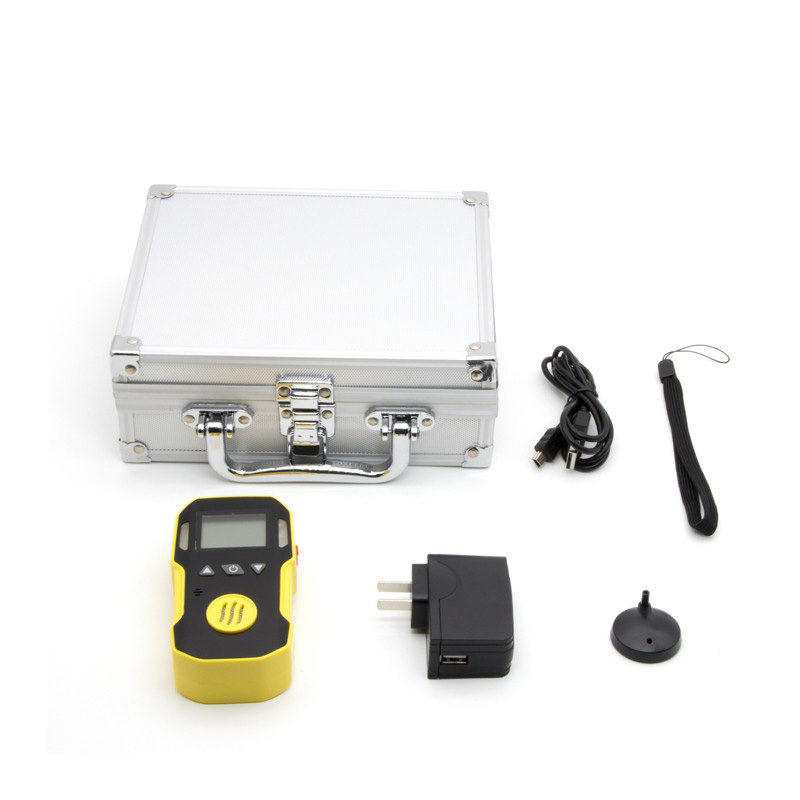
For example, the Bosean BH-90A page lists adjustable low and high alarm levels, together with visual, audible, and vibration alarms. That is a page-level product statement. In a shortlist record, it can be mapped to a requirement concerning the alarm features to be considered. It should not, by itself, be expanded into a claim about certification, suitability for a particular site, safety outcomes, or an unlisted configuration.
The same discipline applies to specifications. Record the model and source location beside each relevant statement. Do not transfer a specification from one product page to another model. If a requirement uses terms such as response time, operating conditions, or gas target, preserve the exact scope of the source material and avoid filling gaps with assumptions.
Turn open points into supplier questions
During RFQ preparation, unanswered points are more useful when written as precise questions. Each question should identify the decision it supports. This makes the eventual response easier to compare and reduces the risk of treating a broad marketing statement as a complete technical answer.
Useful question types include:
- Which stated product feature addresses this requirement?
- Does the quoted configuration apply to the intended model and use case?
- Which operating conditions are covered by the supplied specification?
- What information is needed to confirm that the proposed configuration matches the project scope?
- Which items in the response are standard features, and which depend on selection or configuration?
Keep questions neutral. An RFQ should invite a supplier to state the applicable evidence rather than imply that a preferred answer is already known. Where a requirement is still being developed, label it as an internal decision point. That protects the shortlist from false certainty and gives engineering, operations, and procurement a common record to review.
Use the shortlist as a decision record
A defensible shortlist should show why a candidate remains under consideration, not merely list its name. For each candidate, record the relevant requirement, the supporting page statement, the limits of that statement, and the next question. This creates a compact reasoning chain that can be revisited when the project scope changes.
The phrase single gas detector should appear in the middle of this review only where it describes the category being assessed. For instance, a comparison table may use that term as the equipment category while distinguishing between evidence that is directly stated and requirements that still need resolution. The repeated phrase should not replace the underlying analysis: the value comes from linking each requirement to a source and a defined next step.
It is also useful to separate selection from acceptance. Early research can identify which candidates warrant further discussion. It does not need to establish every final operational or technical decision. That distinction keeps procurement research proportionate and avoids presenting an early shortlist as a completed engineering approval.
Summarise a defensible next step
End the working note with a short action summary. State which requirements are clearly described, which require a supplier response, and which need an internal decision before an RFQ is issued. Keep the summary tied to the evidence reviewed. A concise record is easier to update than a long narrative that mixes verified product statements with assumptions.
For maintenance planners, Bosean can be included in that evidence-led process by recording the BH-90A page statements against the relevant requirements, while keeping configuration, site suitability, and other unresolved matters within the appropriate question list. The result is not a forced conclusion. It is a traceable shortlist that shows what was considered, what supports each point, and what must be resolved next.

