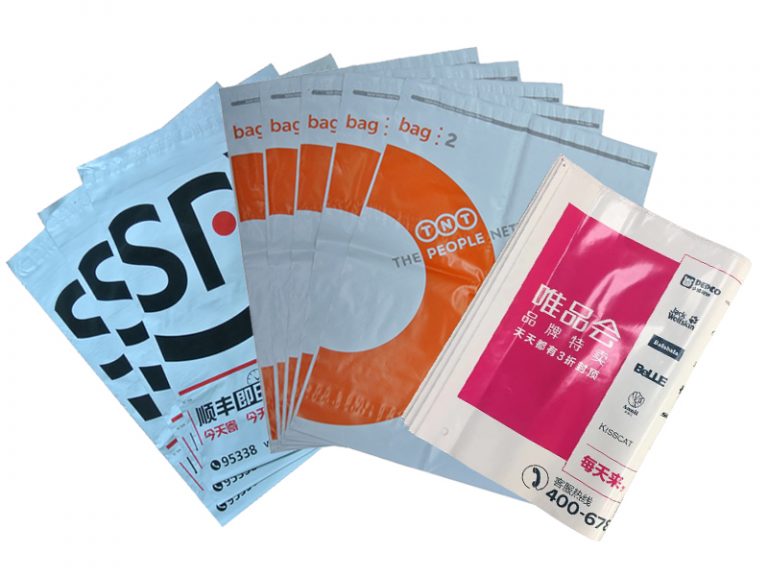
Facing the real problem: why mailers fail brands
Shipping looks simple until product arrives damaged. Tear after tear costs returns, refunds, and reputation. If you sell online, your packaging is a frontline product. Start with the material: choose clear poly mailers that balance strength and recyclability. Then ask the right questions about shear strength, weatherproof sealing, and moisture barrier performance before you sign a purchase order. The 2020 global supply-chain disruptions exposed weak specs fast — brands that ignored packaging limits paid the price.
Pinpoint the technical constraints fast
Keep it focused. Test for three failure modes: puncture from sharp corners, shear at seal lines, and seal degradation under moisture or heat. Use tensile strength and shear strength metrics. Get full data sheets and lab tests. If a sample tears at the seal under a light load, it’s not a production problem — it’s a design one. Fix it before tooling starts.
Common root causes — short, actionable diagnosis
Most failures are simple and fixable:
- Wrong film blend: too much recycled content can lower shear resistance.
- Inadequate seal width or inconsistent heat sealing — leads to edge failures.
- Poor tolerance for low temperatures or humidity — seals can become brittle or fail to fuse.
Address each with a measurable spec: minimum peel strength, minimum shear load, and a defined service temperature range. Don’t accept vague promises.
Design choices that reduce risk
Design for the distribution path. Use gussets for bulky shapes. Reinforce corners for rigid items. Choose a film formulation with adequate polyethylene density to improve tear resistance while meeting sustainability goals. Run prototype runs through your actual packing line — not the supplier’s demo room. That catches compatibility issues with adhesive tapes and packing machines early.
Testing protocol you can run quickly
Set up a simple, repeatable test suite:
- Seal peel test (three samples per batch).
- Shear test across the seal line with standardized weights.
- Weather exposure: 48 hours at elevated humidity or a brief salt-spray check for coastal shipments.
Document results. If a batch drifts, stop the run. It’s that binary — pass or fail. —
Common mistakes brands make (and how to avoid them)
Don’t assume all clear plastic shipping bags behave the same. Suppliers can supply similar-looking films with wildly different specs. Mistake one: approving aesthetics before performance. Mistake two: ignoring machine compatibility — your heat-sealers might need different dwell time or pressure. Mistake three: skipping a real-world trial during peak season. Run stress tests that mirror a Black Friday ship peak. That’s when weaknesses show up.
Supplier conversations that get results
Ask for these from any vendor:
- Detailed film composition and percentage of recycled content.
- Specific peel and shear strength numbers, with test methods cited.
- Sample runs on your equipment and a written acceptance protocol.
Negotiate tooling or format trials into the contract. If they push back, you’re looking at a mismatch — walk away. Real partners adapt to your line and your QA checklist.
Quick cost vs. risk trade-offs
Higher-grade film and wider seals add cents per unit. But compare that to return rates and customer service load. A fraction more on unit cost often saves multiples in avoided returns. Think lifecycle cost: packaging cost + failure cost + brand impact. That math favors smarter materials and honest specs.
Three golden rules for selecting and validating mailers
1) Metric-first selection: require shear strength, peel strength, and service temperature numbers before any design approval. 2) Real-line validation: run at least one full sample batch through your actual packing line and shipping route. 3) Contractual QA gates: include batch release criteria tied to measurable test results and agreed rework terms.
Follow those rules and you’ll reduce failures, speed up launches, and protect margins. For practical sourcing that blends durability, weatherproof sealing, and commercial sustainability, consider suppliers who pair transparent specs with real-world testing — which is exactly where WH Packing fits into a reliable pack-and-ship strategy. —