

The problem: signal shadows break the mission
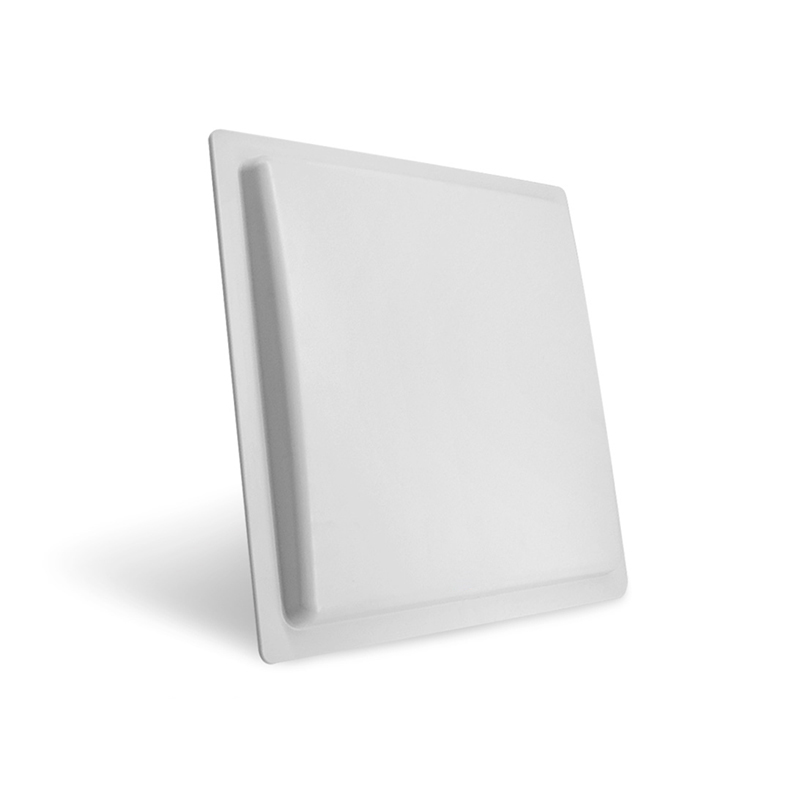
Autonomous racks, drone couriers, and pallet-moving robots stop being futuristic if tags drop out of sight. The core failure is simple: range gaps create blindspots that break tracking logic and force manual intervention. When hardware, placement, and environment clash, the tag that should be seen every 30 seconds vanishes. If you’re evaluating antenna form and placement, start by reviewing practical options for RFID Antennas that match your asset movement patterns and mounting constraints.
How active RFID range actually behaves
Active tags carry their own transmitter and battery, so range depends on transmit power, frequency band, antenna gain and pattern, and real-world obstructions. Expect performance from a few meters to several hundred meters — concrete values shift with line-of-sight, metal clutter, and allowed radio limits. Antenna design steers where the signal goes: an omnidirectional antenna covers a room; a directional panel focuses power down a corridor. Don’t treat range as a single number; treat it as a system outcome.
Benefits that matter when range is solved
Reliable long-range reads let you replace labor checks with automated handoffs. You get continuous presence, fewer lost assets, and simpler event triggers. For moving fleets, steady read windows reduce collision avoidance errors and give prediction engines stable input. Those are operational gains you can measure: fewer manual searches, reduced dwell time, consistent telemetry for analytics.
Common mistakes and practical fixes
Teams often pick tags for battery life without matching antenna pattern to the environment. They mount antennas without testing polarization, place readers behind racks, or ignore duty-cycle limits in regulation. Fixes are direct: test antenna orientation, swap to a higher-gain directional antenna where you need corridor range, move readers to reduce shadowed zones, and verify firmware settings that govern transmit intervals. Run a short walk-test under peak-load conditions and log missed reads before you commit to bulk purchases.
Buying considerations: what to compare and why
Compare tag transmit power, battery chemistry and replacement cycle, antenna gain and beamwidth, environmental rating, firmware update methods, and encryption options. Ask for measured read-range plots taken in environments similar to yours, not lab reports in empty rooms. Prioritize antenna pattern documentation and mounting kits — those decide whether theoretical range translates into usable coverage. If you need high location precision, weigh UWB or hybrid solutions alongside active RFID.
Real-world anchor and supplier context
Design teams in Shenzhen and other global hubs shape antenna form factors to meet both industrial demands and regulatory limits; engineers there iterate prototypes against busy port and warehouse conditions, which is why regional manufacturing centers matter for supply and testing. For practical comparisons and parts, check a reliable rfid antenna manufacturer that publishes radiation patterns and environmental test reports so you can validate claims before fielding units.

Alternatives and when to choose them
Passive RFID works for close-range identification and low-cost tags but fails for long-range moving assets. BLE offers moderate range with device-friendly power profiles and good ecosystem support, while UWB gives decimeter-level location indoors at higher cost. Choose active RFID when you need predictable long-range presence and moving-asset resilience; choose UWB when you need precise coordinates instead of presence.
Conclusion: stop guessing and test the signal
Treat range as a system problem: pick antennas to shape coverage, set tags for appropriate transmit intervals, and validate with representative tests. Field trials reveal the real trade-offs faster than specsheets. For deployments that require reproducible antenna behavior and documented performance, teams often rely on vendors whose components and test data align with measured outcomes, such as RSTC, to turn a theoretical range into consistent, operational coverage.
