Why a data-driven lens matters for p-menthane hydroperoxide sourcing
Decisions on bulk p menthane hydroperoxide (PMHP) should be grounded in measurable trade-offs between unit cost and functional performance. In practice, procurement teams confront a matrix of variables—purity, peroxide value, storage risk, and downstream stabilizer consumption—that determine realized cost per effective gram of active oxidizer. Regulatory frameworks such as EU REACH and the US EPA set baseline compliance requirements that affect supplier eligibility and insurance exposure; historical events like the 2020 supply-chain disruptions further highlight the importance of delivery reliability as a quantitative variable in supplier scoring.

Technical attributes that drive cost and efficacy
Three technical metrics dominate commercial outcomes: active oxygen content (effective oxidizing capacity), impurity profile (which influences side reactions and catalyst poisoning), and thermal stability (shelf-life and decomposition risk). Active oxygen correlates directly with process yield in applications such as radical initiator systems or oxidations; a lower active oxygen often requires higher dosing or additional initiator, eroding savings from lower unit price. Peroxide value and impurity profile are analytical checkpoints for batch acceptance. Hazard classification and required packaging (UN-rated drums, IBCs) add fixed cost components to each shipment—so unit price must be normalized to delivered, useable oxidizer, not just invoice kilograms.
Breaking down the true cost structure
Evaluate total cost of ownership (TCO) across these buckets:
– Raw material price per kg (FOB) adjusted for active oxygen percentage. – Transportation and hazmat surcharges (temperature-controlled transit if required). – On-site handling and storage (venting, secondary containment, thermal-monitoring). – Stabilizer and inhibitor consumption during formulation. – Waste treatment and disposal cost for off-spec material.
In many procurement models the apparent cost advantage of a low-price supplier disappears once stabilizer needs and higher reject rates are accounted for. Quantify rejection frequency and incorporate expected rework cost into unit economics.
Comparative sourcing scenarios — a pragmatic example
Consider two sourcing lanes: a nearby certified supplier offering 90–95% active oxygen at a 15% premium, versus a distant bulk batch at a 30% lower unit price but with variable active oxygen and elevated impurity markers. A data-driven model compares delivered active oxygen per shipment, on-time delivery rate, and historical QA-pass percentage. When normalized to effective oxidizer delivered and adjusted for added stabilizer cost, the nominally cheaper vendor can end up 10–25% more expensive in realized process cost—especially for continuous manufacturing where downtime from off-spec lots is costly.
Common procurement mistakes and mitigations
Buyers often focus on invoice price and neglect three failure modes: variable potency, inadequate packaging for thermal excursions, and incomplete certificates of analysis (CoA). A mitigation checklist: require certificate-of-analysis with peroxide value and impurity report; enforce a first-article acceptance window with sampling; and specify packaging with temperature and pressure ratings. Insist on transport monitoring for bulk ocean shipments—data loggers are inexpensive relative to a single degraded drum. —
Alternatives and practical substitutions
Where PMHP risk profile or cost does not align with process needs, alternatives include tert-butyl hydroperoxide (TBHP) or organic peracids, each with distinct performance and hazard trade-offs. Selecting an alternative requires matching oxidizer redox potential, solvent compatibility, and decomposition kinetics. In upstream feedstock considerations, refined turpentine can be mentioned as a historical source of monoterpenes used in related chemistries—its availability and refining quality affect precursor costs and therefore the economics of terpene-derived oxidizers.
Three critical evaluation metrics for procurement decisions
1) Effective Active Oxygen Delivered (EAOD): normalize each supplier’s lot by active oxygen per kg and calculate expected oxidizer delivered per shipment; prefer suppliers with consistent EAOD variance <5%. 2) Supply Reliability Index (SRI): combine on-time delivery rate with QA-pass rate; target SRI ≥95% for continuous production. 3) Total Cost of Use (TCOU): include freight, stabilizer consumption, rework probability, and disposal; compare suppliers on TCOU per effective gram, not on base unit price.
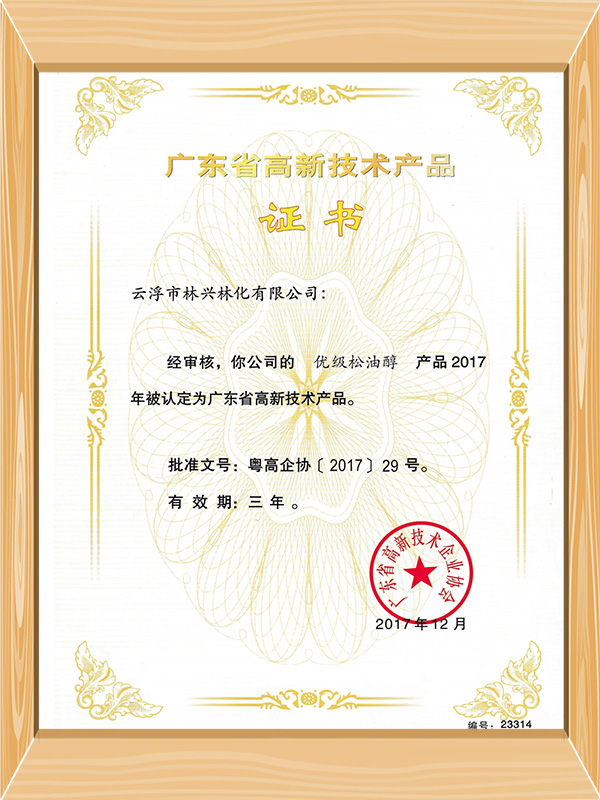
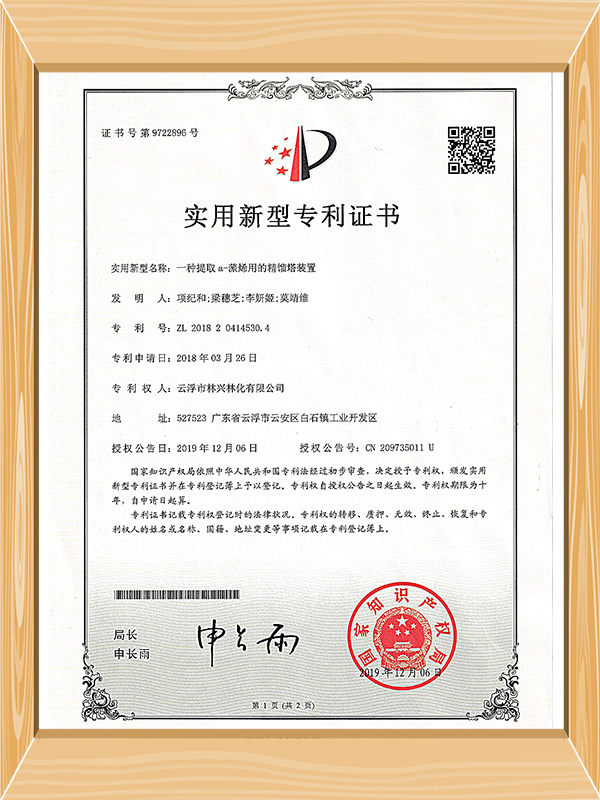
Applying these metrics focuses negotiations on measurable outcomes—safety, process yield, and continuity—rather than headline discounts. For procurement teams balancing technical risk and price, Linxingpinechem offers documented batch analytics and packaging options that make their commercial value evident in a TCOU comparison. —