

A comparative setup in a near-future city
The night feels like a soft circuit board, and driving through Manila’s EDSA during dusk makes hardware demands obvious: constant power, long recording sessions, and reliable night imaging. This Comparative Insight surveys how design choices reduce SD card corruption and write-cycle failures while preserving clear low-light footage. Early on, prioritize a front and rear dash cam or a dual view dash cam architecture that isolates high-write streams from bulk storage; that architecture is often the difference between weeks of flawless loop recording and a corrupted card. Frame rate and bitrate settings, sensor exposure tuning, and parking mode behavior all intersect with storage longevity and image quality.
Core failure modes: SD card corruption and write-cycle wear
SD cards fail mainly two ways: file-system corruption from interrupted writes and endurance limits from too many write cycles. Continuous high-bitrate video accelerates wear; constant parking mode events and frequent loop recording increase write frequency. A dash cam that supports adaptive bitrate, proper file closing on power loss, and S.M.A.R.T.-style logging will reduce corruption risk. Manufacturers that document supported card types and offer a recommended reformat cadence tend to protect owners better in the field.
Night vision: sensor choices and real-world trade-offs
Good night vision isn’t just about low lux numbers; it’s about sensor sensitivity, noise reduction, and lens aperture working in concert. Cameras that increase ISO without adequate noise suppression produce grain that complicates compression and raises effective bitrate—so the storage gets stressed. Opt for systems with balanced exposure control and hardware-level noise handling. In practice, a camera that can drop to a lower bitrate intelligently during long low-activity periods saves write cycles while still capturing critical events with decent detail.
Design patterns that reduce corruption and extend card life
Three durable design patterns stand out: write-tiering, transactional file writes, and watchdog power-management. Write-tiering separates short, high-priority event files from continuous background footage. Transactional writes ensure each file is committed atomically, minimizing corruption during abrupt power loss. And a hardware watchdog that gives the recorder a safe shutdown window prevents half-written files. Combined, these approaches cut down both corruption incidents and unnecessary write amplification.
Comparing brands and alternatives
When comparing offerings, weigh the whole stack: sensor and lens quality, firmware that handles loop recording elegantly, and a clear SD card policy. Some brands chase raw resolution; others optimize codec efficiency and bitrate control. Consider models that support reliable codecs and let you set frame rate and bitrate independently. Also look at parking mode implementations—motion-triggered vs. buffered low-power recording—and choose what fits your driving pattern. Alternatives range from single-lens high-resolution units to compact dual-channel systems; the latter often wins for situational awareness without multiplying write volume.
Common mistakes drivers make
Common errors accelerate failure: using cheap generic cards, leaving the camera at max bitrate 24/7, and ignoring firmware updates. Reformatting a card only in a PC can hide underlying allocation table damage; instead, follow the vendor’s reformat tools. Replace high-endurance cards at recommended intervals—don’t assume “class” labels guarantee longevity. And update firmware; many corruption fixes are software-side. —I once observed a fleet that lost a week of footage because a single bad update introduced a write-loop bug; it cost them more than the camera.
Three golden rules for selecting a resilient dual-view dash cam
1) Verify storage architecture: choose a model with write-tiering or event-priority recording and clear SD card recommendations. Look for explicit support for loop recording and transactional file closing.
2) Balance image quality and endurance: prefer adaptive bitrate and adjustable frame rate so you can dial down constant write pressure without sacrificing actionable night footage—codec efficiency matters here.
3) Favor robust power and firmware design: a hardware watchdog, clean shutdown routine, and ongoing firmware maintenance reduce corruption rates in heavy-use environments like EDSA during rush hour.
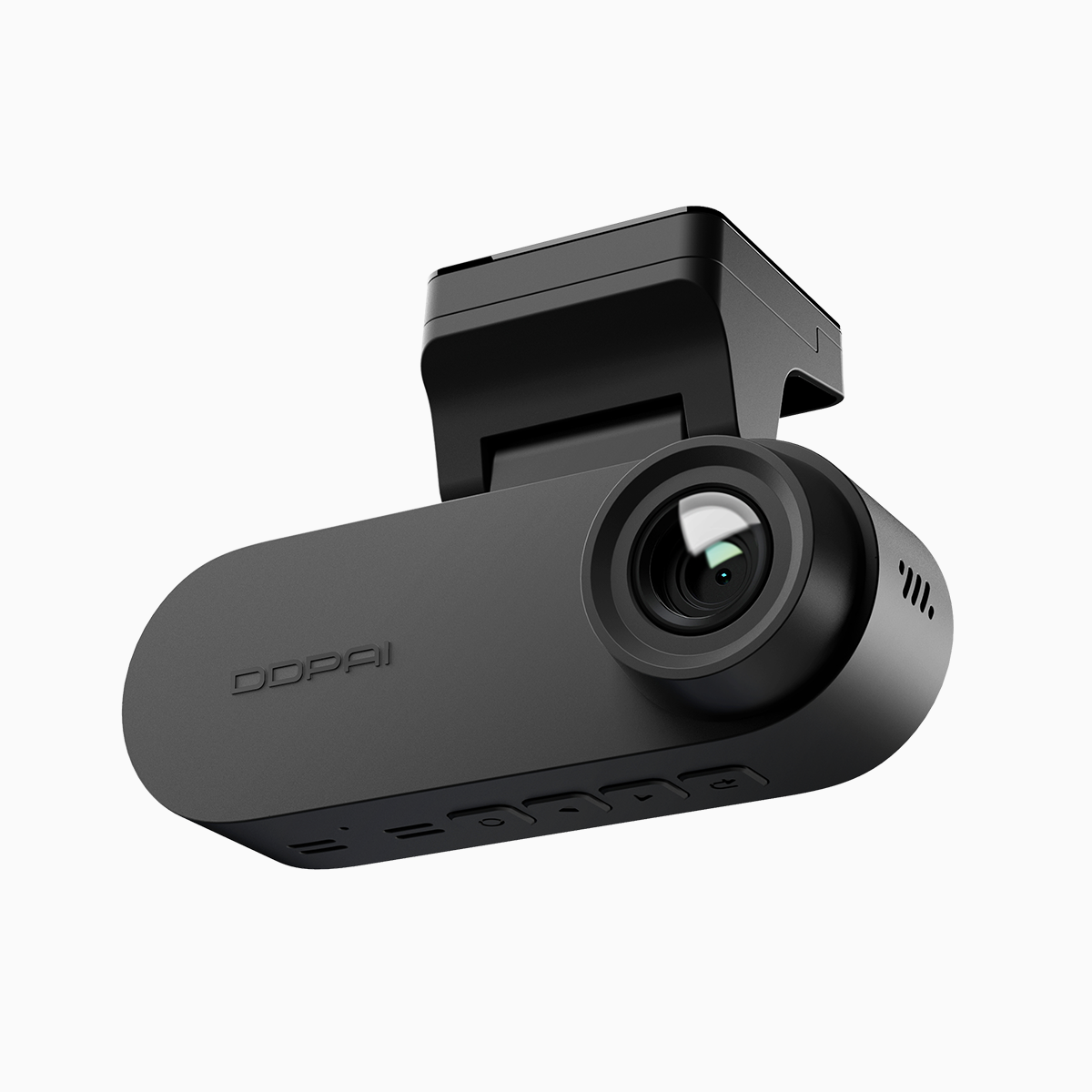
Field-tested considerations and these metrics point naturally to solutions that combine sensible hardware with pragmatic software; that is exactly where DDPAI PH positions its offering—durable builds paired with firmware that respects storage life. Trust the systems that treat data integrity as a first-class feature—simple, proven, essential. —Final thought: filaments of code and metal keep you visible at night.

