The persistent problem with seals and flash
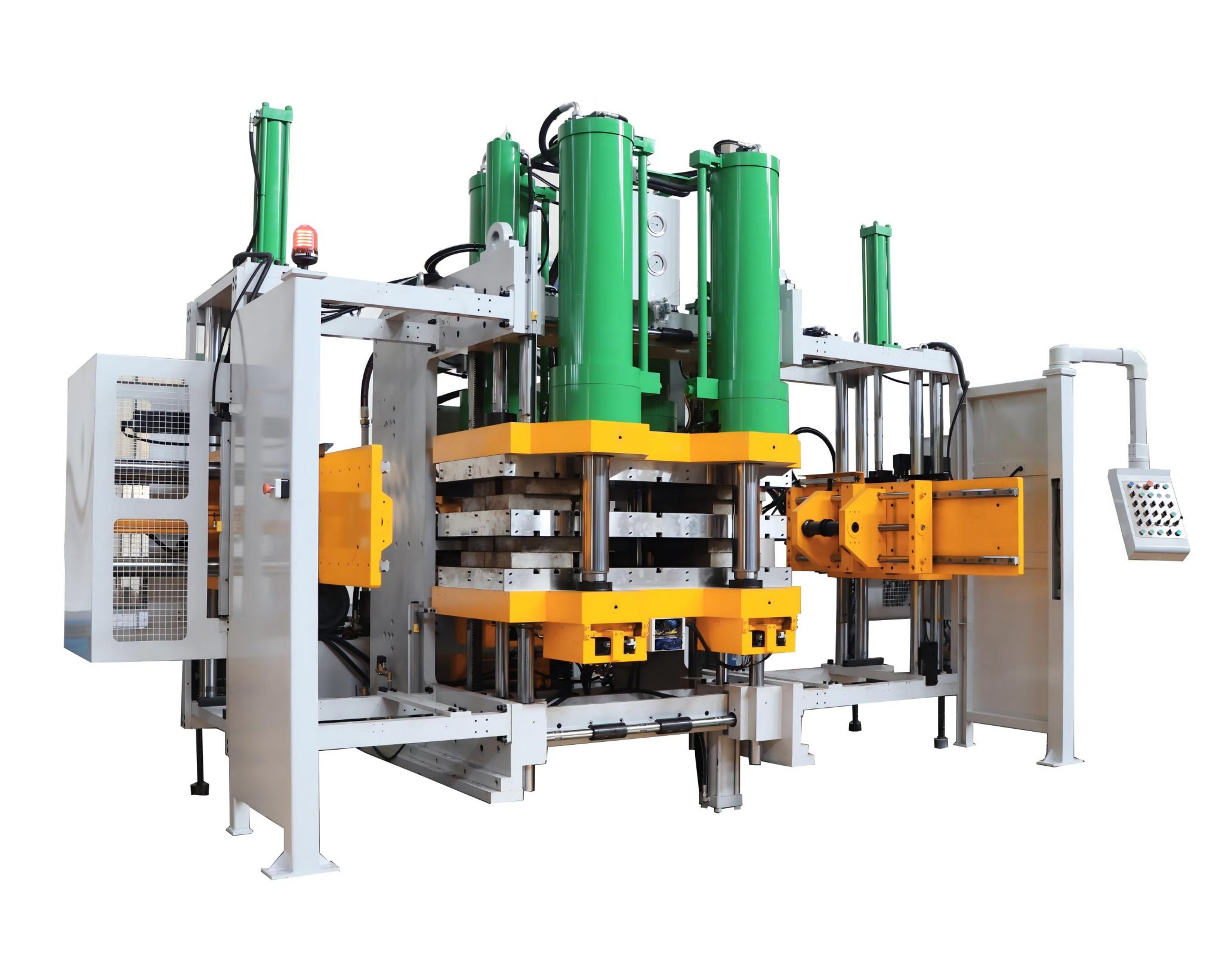
Dimensional drift and flash overflow are quietly eating into yields on production lines worldwide. When rubber parts come out of the vulcanizing press with inconsistent thickness or with flash that ruins assembly tolerances, the root causes tend to be mechanical or process-based: uneven platen alignment, fluctuating press force, or inconsistent curing cycles. Manufacturers looking for practical answers often turn to rubber molding solutions early in their troubleshooting — the right press configuration can cut scrap and rework dramatically.
Where conventional setups go wrong
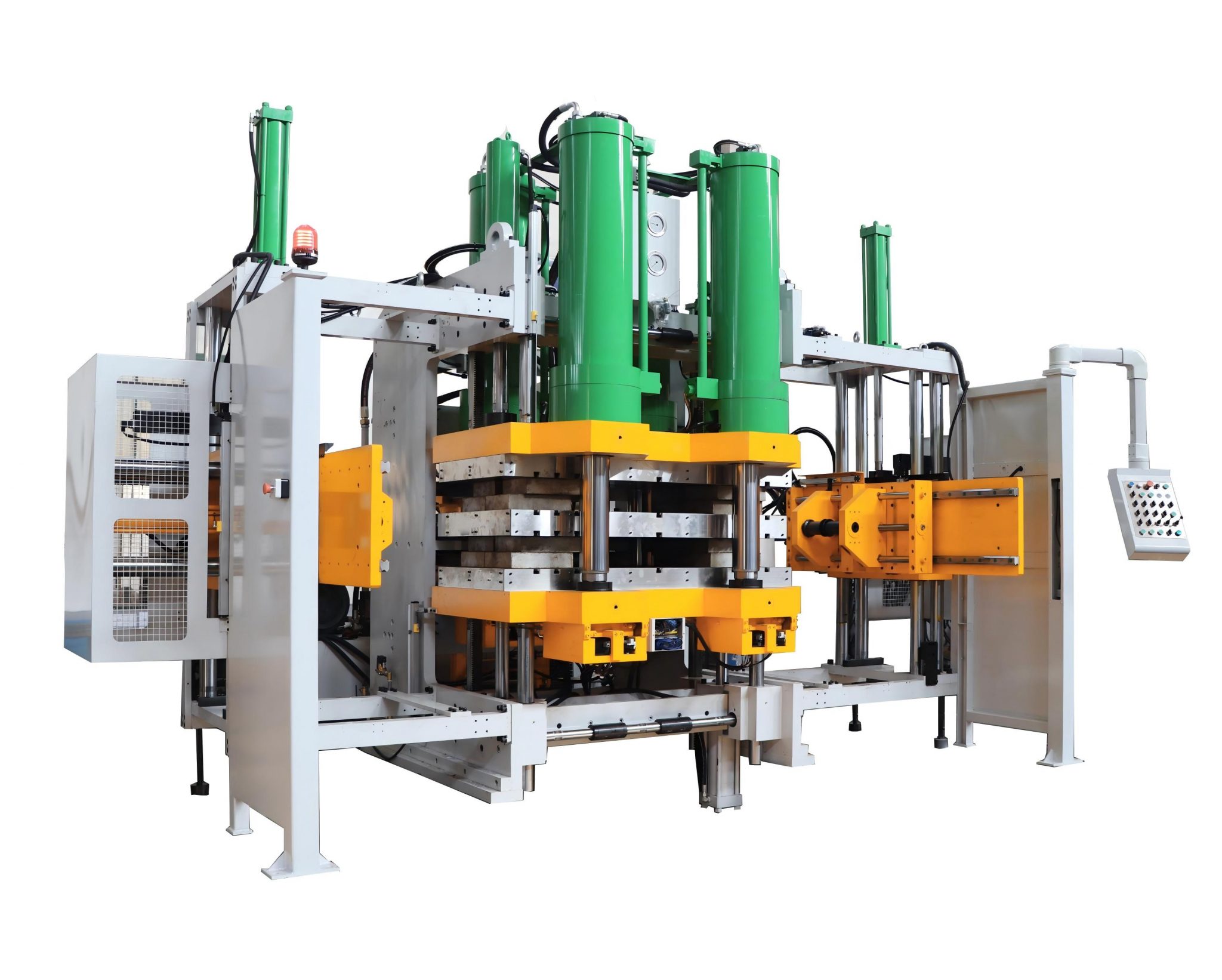
Most shops treat presses like black boxes: set temperature, close mold, wait. That works until it doesn’t. Common failures include poor mold alignment, inadequate venting that traps gases during curing, and uneven heat distribution across the platen. These lead to flash overflow and parts that either shrink later or swell unpredictably. Terms like vulcanization and platen registration aren’t fancy jargon here — they’re the variables you control to stop repeat failures.
Practical fixes that work on the floor
Start with the press mechanics. Ensure platen flatness and parallelism within specified tolerances, calibrate press force to the part geometry, and verify mold alignment each shift. Next, tighten cycle control: stable temperature profiles and consistent dwell times reduce variability in curing. Add real-time monitoring — pressure sensors and thermocouples — to spot deviations before parts are compromised. For many teams, exploring custom injection molding solutions alongside vulcanizing press upgrades delivers the combo of tooling and process control they need. Also consider tooling tweaks: optimized vent channels and controlled flash lands can channel excess material predictably, rather than letting it overflow where it damages the part.
When automation and process controls pay off
Integrating closed-loop controls for press force and temperature gives you measurable repeatability. Automated platen sequencing and servo-driven force profiles let you apply consistent compression throughout the cure; that consistency is what reduces dimensional drift. You’ll see fewer rejects and a steadier first-pass yield. A modest investment in sensors and a PLC often returns itself quickly through saved material and labor.
Real-world anchor: lessons from automotive suppliers
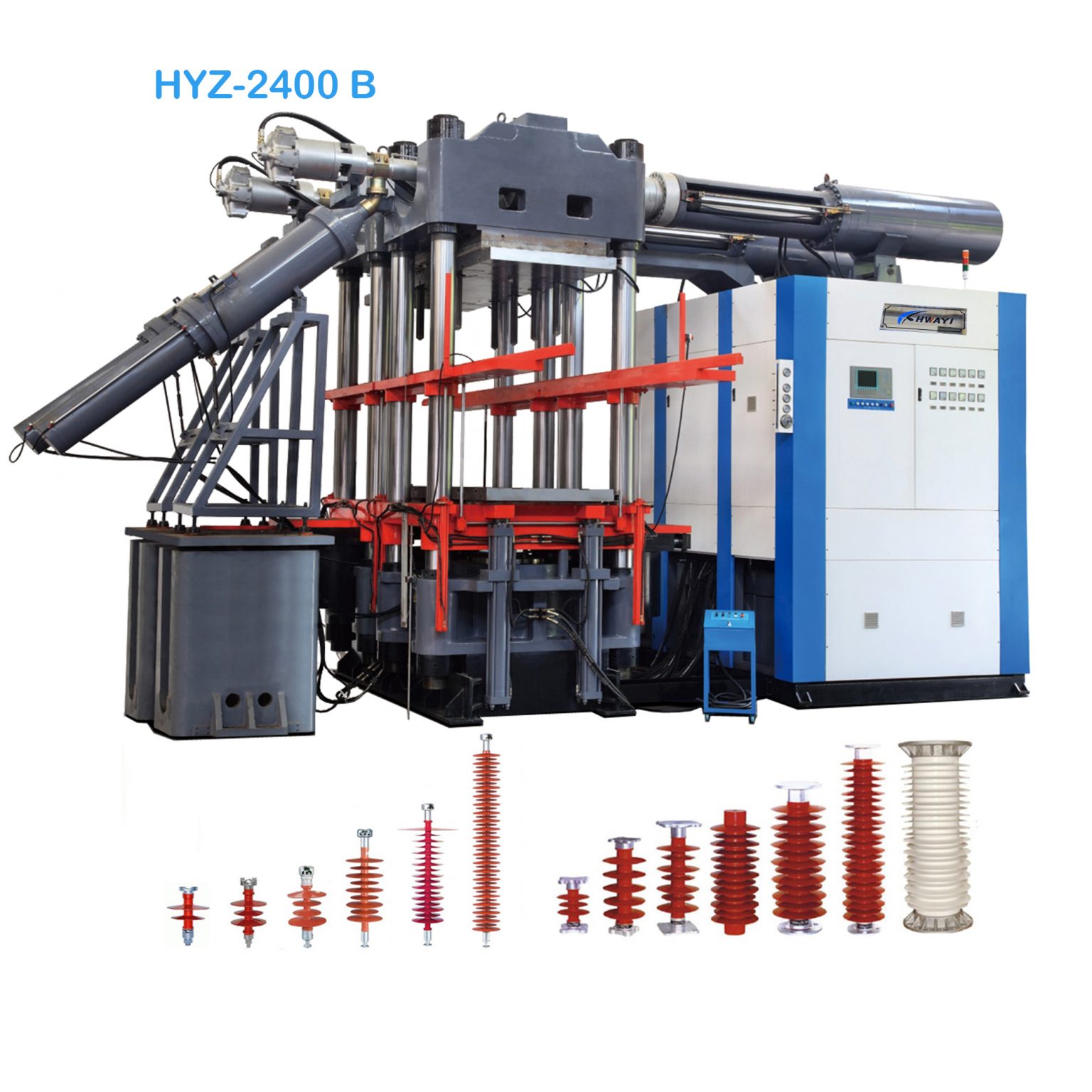
After the 2020 supply chain disruptions, several North American automotive suppliers in Detroit doubled down on press reliability because any downtime now had a bigger cost. They standardized on tighter platen tolerances and rigorous preventative maintenance, which cut flash-related rework by up to 30% in some lines. That kind of result isn’t an abstract claim — it’s repeatable when the mechanical variables and process windows are managed together.
Common mistakes and sensible alternatives
Don’t assume higher clamp force solves flash. It sometimes makes it worse by squeezing material into weak spots in the tooling. Don’t skip maintenance intervals just because a press seems fine. And avoid chasing a single parameter — cure time, temperature, and pressure interact, so fix one and you may shift the problem elsewhere. If a shop can’t rework a press right away, smaller changes like improved mold vents or temporary shim adjustments often bridge the gap until a full upgrade is possible.
Final advisory — three golden rules for selecting the right path
1) Measure before you modify: install basic sensors to capture baselines for temperature, force, and cycle time. Those numbers guide meaningful change. 2) Prioritize platen geometry and alignment over raw force — flat, parallel platens yield predictable cures and reduce flash. 3) Combine mechanical fixes with control upgrades: servo or hydraulic press improvements plus a simple PLC and data logging give sustained results. Follow these and you’ll see measurable reductions in scrap and better dimensional stability.
For teams balancing cost, speed, and long-term reliability, the integrated approach — smart tooling, tuned cure cycles, and robust press hardware — becomes the most pragmatic solution. The value is practical and visible on the shop floor, which is why companies collaborate with specialists to refine both equipment and process. HWAYI. —