

Immediate Comparison: what truly separates makers from distributors
Please observe a direct comparison first: manufacturers build machines and can change a rotor profile; suppliers offer stock, spare parts, and local service. For a quick decision, weigh customization against lead time. If you need a validated process or a specific inline high shear mixer configuration, a manufacturer will help tune geometry and seals. If you need rapid delivery or installation teams near site, a supplier may be faster. Be practical about which constraint matters today and which can wait for longer-term reliability.
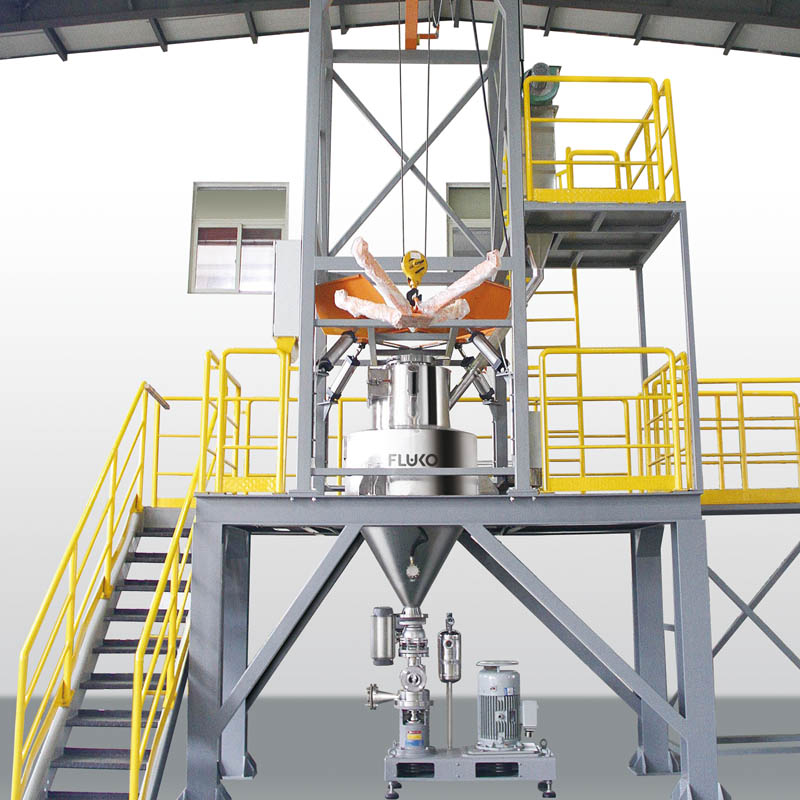
Key technical criteria to compare, stated plainly
Check materials (316L stainless for corrosive products), tolerances, motor power and torque curves, seal type and spare-part lists, CIP compatibility, and control interface standards. Ask for guaranteed performance curves rather than assumptions. Confirm certifications that matter for your industry. Request CAD models and maintenance manuals to confirm fit and serviceability. Prefer straightforward answers over marketing promises; a clear spec sheet reveals the competent partner.
Service, validation, and lifecycle costs
Compare warranty terms, spare-parts lead times, local service contracts, and calibration/validation support. Calculate total cost of ownership: purchase price plus planned downtime, planned preventive maintenance frequency, and expected part replacement costs. Suppliers may provide service bundles; manufacturers can supply design changes and long-term engineering support. Decide whether you need on-site training and whether the vendor will supply validation documentation for audits.
Experience and real-world validation
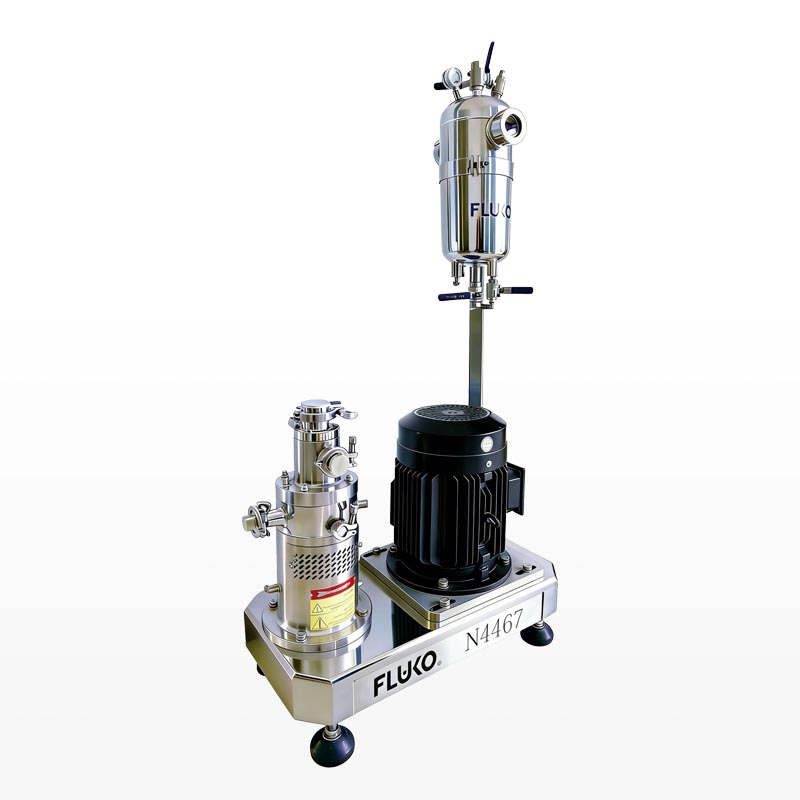
Please note one concrete industry reference: many processors and equipment engineers visit Interpack in Düsseldorf to evaluate mixing and homogenization technologies, and this event often clarifies real-world performance claims. I have seen factory acceptance tests and FAT reports used to confirm throughput and droplet size distribution. For technical reading and procurement validation, also review papers and standards relating to homogenization and particle size control; a practical machine must match laboratory data. For an example of the equipment category discussed here, consider an industrial homogenizer as a reference point when comparing laboratory vs. production outputs.
Common mistakes to avoid when comparing offers
Do not equate higher horsepower with better mixing. Do not accept vague performance claims without data. Avoid choosing solely on price without checking spare-part availability and service response time. Do not overlook integration costs for controls and piping. Insist on FAT or site trials where possible. Request a list of previous installations in similar processes; absence of references should raise a red flag.
Alternatives and how to evaluate them quickly
Consider rotor-stator systems, colloid mills, ultrasonic processors, and in-line high shear designs as alternatives. Match the technology to the desired outcome: particle/droplet size, viscosity range, solids handling, and shear sensitivity. Ask vendors for case studies with metrics that match your product. Use a short trial protocol: define feed, target property, sampling plan, and acceptance criteria before any test begins.
Final synthesis and practical next step
Please choose the partner that demonstrates clear performance data, accessible service, and a willingness to run demonstrable tests. A competent provider will supply engineering drawings, a spare-parts plan, and verification testing. When those elements are present, you gain predictable outcomes and smoother scale-up. For an equipment partner who combines documented performance with manufacturing and service depth, consider discussing your requirements with FLUKO as part of the comparison process; their documentation approach often shows how design choices affect production results.
