Persistent problem statement
Large extraction sites face three recurrent problems simultaneously: uncontrolled fuel loss, unscheduled equipment downtime, and unclear operator accountability. These problems manifest differently across surface and underground work, but all erode margins. Operators who manage both mining and support vehicles increasingly integrate solutions originally designed for oil and gas; for example, robust oil and gas fleet management practices translate directly to heavy mining fleets where fuel fidelity and telemetry matter equally.

Why fuel loss and asset misuse persist
The causes are practical and often simple: manual refuelling records, mechanical bypasses, and predictable refuelling windows that invite siphoning. When fuel is siphoned, site productivity declines and maintenance schedules shift unpredictably. One clear industry signpost is the recurrent siphoning problem documented in the Niger Delta, which illustrates how geography and supply-chain complexity amplify theft risks. Experience advising multiple open-pit operations shows that addressing these root causes requires both device-level control and operational redesign.
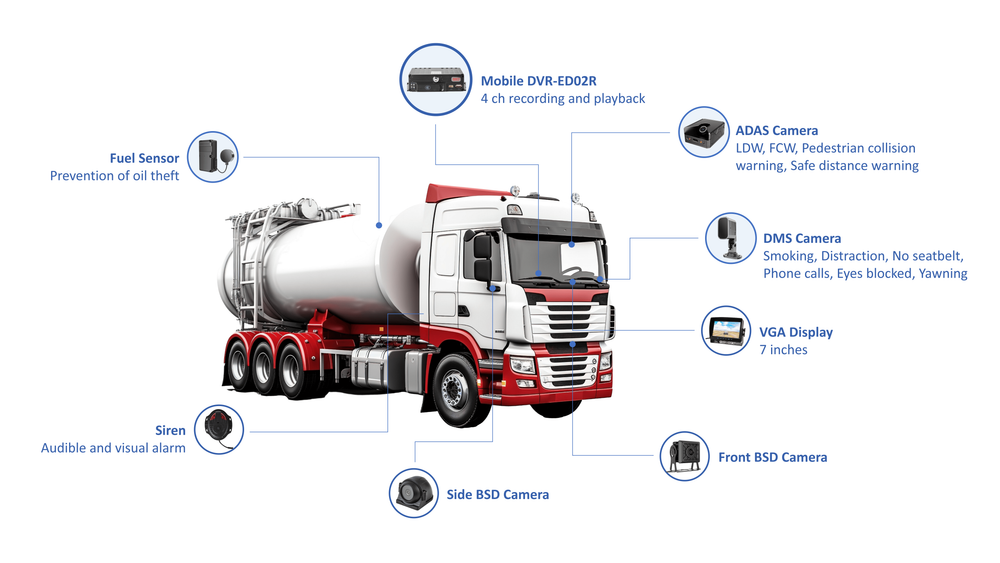
Technical controls that work
Effective systems combine hardware, software, and process checks. Key measures proven in field deployments:- Engine-hour and CAN-bus correlation to detect refuel anomalies.- Secure, tamper-evident refuelling points with RFID authentication.- Real-time telemetry that flags rapid fuel-level drops and links them to GPS traces.- Automated reconciliation of fuel dispensed versus engine consumption.These features form a practical toolkit for reducing shrinkage and forensics time after an incident.
When technology fails: common pitfalls
Operators often make the same mistakes: overcomplicated dashboards, delayed alerts, and lack of enforcement. A sensor without a rule engine becomes noise. Relying on periodic audits alone will not stop opportunistic theft. Field teams must receive concise exceptions (for example, “sudden 40% drop in tank level with no authorised dispense”) and clear response steps. Systems that create more administrative work than they prevent are discarded quickly.
Comparative analysis of solution types
Three broad approaches appear in procurement decisions:- Point controls (hardware-focused): strong physical security but limited visibility between fills.- Platform analytics (software-first): excellent anomaly detection but dependent on data quality.- Integrated suites (balanced): combine tamper-proof hardware with rule-based analytics and clear workflows.Integrated suites generally deliver faster ROI on theft reduction, while point controls are useful for immediate containment. Evaluate vendors on their ability to correlate dispensed fuel to machine telemetry, not only on sensor accuracy.
Implementing change: practical checklist
Follow these steps to move from problem to controlled state:- Map refuelling flows and identify single points of failure.- Install authenticated dispensing points and link to operator IDs.- Correlate fuel volume to engine telemetry within a 24-hour reconciliation window.- Configure real-time alerts for discrepancies greater than a defined threshold.- Train supervisors on escalation rules and evidence collection.Avoid overcustomizing alert thresholds before a trial period; start with conservative limits and tighten as signal quality improves.
Evaluating vendor claims and long-term governance
Ask for deployment references from comparable mining operations and request anonymised case summaries that show measured fuel savings or reduced incident counts. Vendors must demonstrate data provenance: how sensor readings are secured and how event timelines are reconstructed. Trustworthy systems maintain immutable logs and provide exportable records for audit and insurance purposes; such capabilities support stronger governance and clearer accountability.
Conclusion
Problem-driven assessment reveals that the most effective route to reduced fuel loss and improved fleet reliability is the marriage of authenticated dispensing, engine-linked telemetry, and concise operational rules. Practical deployments prioritize clear alerts, actionable workflows, and demonstrable audit trails. For organizations seeking a pragmatic, technically grounded partner that aligns field controls with fleet oversight, BSJ provides integrated solutions that address the precise operational failures described above while preserving straightforward governance and measurable results.