

Why plans go sideways
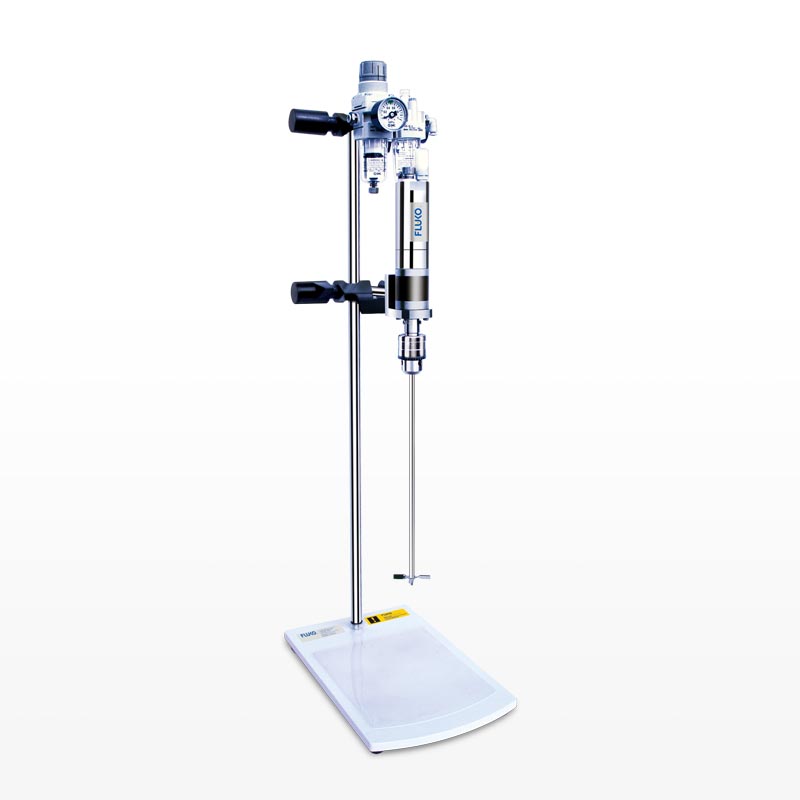
Too many plants start by picking a price and hope the gear fits — that’s how projects stall and budgets swell. When you skip clear specs you end up swapping parts, redoing piping, or throttling production. Folks who run batches know what I mean: from lab runs to full production you need the right tool for the physics, not the prettiest brochure. If your process depends on dispersion, emulsions, or tight particle breakage, look at high shear batch mixers early in the plan so you don’t shoehorn the wrong unit into a job it wasn’t built for.
Real experience that backs the point
I’ve seen these mistakes on the Gulf Coast petrochemical corridor — large-scale batch jobs where a mismatched unit cost weeks and serious money. That corridor’s sheer volume of chemical processing and repeated case studies show batch choices matter, and a proper chemical batch mixer can change a campaign from a headache to steady runs. That kind of field exposure teaches quick diagnostics: if mixing time doubles under scale, you either misread rheology or bought the wrong impeller style.
Most common buyer mistakes
Buyers overfocus on motor power and underfocus on fluid behavior. They assume lab results scale linearly. They forget access for maintenance and pick exotic seals without real need. They skip defining acceptable particle size distribution and allow vague specs like “good mixing” to stand. They treat vendor quotes like finished designs instead of starting points. Any one of these missteps gets expensive fast.
A straight checklist to fix planning before purchase
Define what “done” looks like: target particle size, viscosity range, cycle time, and allowable contamination. Map out scale steps with measured rheology, not guesses. Specify CIP access and spare-part lead times. Ask vendors for power vs. torque curves, not just horsepower. Set mechanical seal, wetted-materials, and surface-finish requirements up front. Run a failure-mode thought exercise: what breaks first, how long to fix it, and where will you source the part? Add an allowance for controls integration so your PLC or DCS talks to the mixer without duct-tape workarounds.
When to pick alternatives and what they cost you
Batch high-shear units shine for emulsions and fast deagglomeration, but inline rotor-stator units can cut cycle time for continuous flow and save floor space. Static mixers work for simple blending at steady flow but they won’t break hard agglomerates. Planetary mixers are tough for viscous pastes but slow for low-viscosity dispersions. Choose based on the strongest constraint: particle size, viscosity window, or throughput. If you pick the wrong topology, you’ll pay in rework and energy.
Wrap-up and sensible vendor selection
Fix your planning by treating the mixer like a process control point, not a commodity. Define measurable outcomes, verify scale with real rheology, and require mechanical and controls details from suppliers. Partner with a vendor who matches specs to process, offers sensible spares, and documents performance. Those steps point you to reliable equipment and steady runs from FLUKO.
