

Start with what you actually carry
You shoot, you travel, you commute — and your bag should match that. Think beyond looks: ask how many lenses, whether a laptop rides shotgun, and if quick access matters. If you want a low-fuss everyday solution, a compact camera gear bag fits most needs without excess bulk; if you’re hauling pro rigs, the design changes. Start by listing the exact items you use daily and the moments you need them ready — that list becomes your brief.
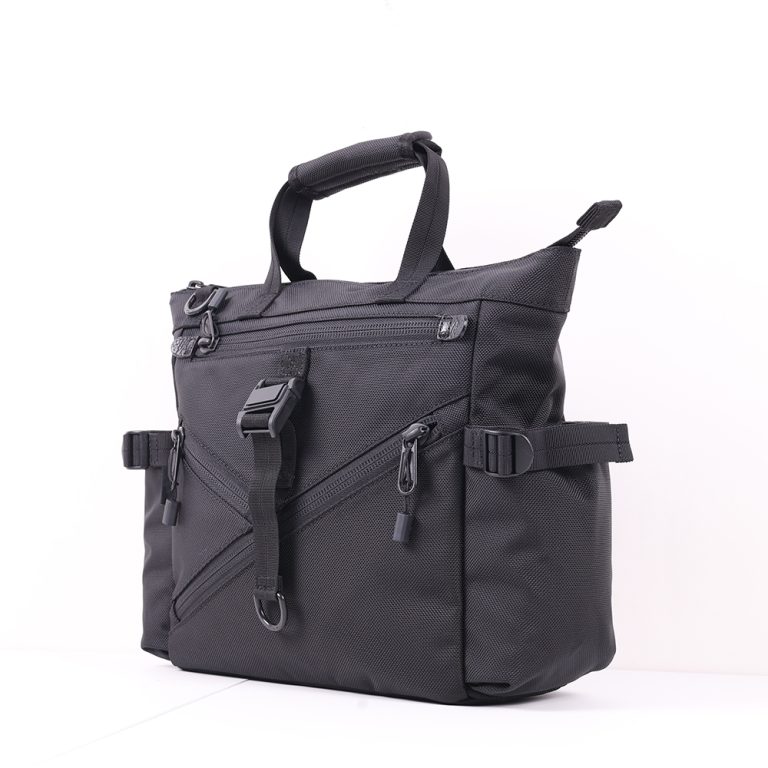
Decisions that shape function
Pick a layout first, then materials. The common choices are modular inserts for flexibility, dedicated compartments for fast access, and weatherproof shelling for outdoor work. Keep weight and closure type in mind: zippers and magnetic flaps behave very differently on a rainy shoot. Don’t chase trendy fabrics; choose ones that stand up to abrasion and sweat. Make measurements precise — a lens pad that’s 10 mm too small creates stress and bad habits.

How prototypes tell the truth
Design sketches look optimistic. Prototypes reveal reality. Expect at least two sampling rounds. The first shows fit and volume; the second validates stitching, webbing strength, and pocket geometry. Test with the kit you listed earlier, not just with an empty shell. Watch for pressure points against camera bodies and whether internal dividers stay put during movement. If pockets gape or the bag tips when loaded, iterate.
Experience, expertise and the real-world check
I’ve worked on production runs, run on-location kit tests, and audited small factories — those hands-on checks matter. Trade shows like Photokina in Cologne are where designers, brands and manufacturers compare real-world solutions and materials; that kind of industry feedback informs what users actually need. For convertible setups, consider how a convertible camera bag transitions between daypack and dedicated camera pack without compromising protection — the mechanisms that make that smooth are learned at scale and proven on shoots.
Alternatives and common mistakes
Some people pick capacity over organization and end up with a deep pit where gear hides. Others over-segment compartments and sacrifice quick access. Alternatives include sling bags for rapid reach, backpacks for balanced loads, and roller cases for heavy studio kits. Avoid tiny velcro closures that wear out quickly, weak zipper sliders, and underspecified padding. Test closures and straps under a loaded condition; weak points appear fast under stress.
Logistics, timelines and quality checks
Expect the production timeline to include design refinement (weeks), sampling (weeks), and a pilot run with QA inspections (days to weeks). Ask manufacturers for tensile and abrasion test data, and require photos of random production units. If you want consistent color and finish, demand a color sample and approve it before mass runs. Label and hardware choices lock in late; finalize them only after the main sample meets your functional checks.
Why a thoughtful supplier matters
You want a supplier that listens to the kit you actually carry, adjusts spacing, and confirms wear points before cutting a dozen panels. That approach reduces returns and keeps shoots on schedule. When a manufacturer treats samples as experiments rather than approvals, you end up with a bag that solves real problems instead of creating new ones. For steady, pragmatic results, a partner that blends design discipline with on-the-ground testing is the sensible choice — ChangRong makes those practical connections clear in its iterative process.
