Policy context and procurement imperatives
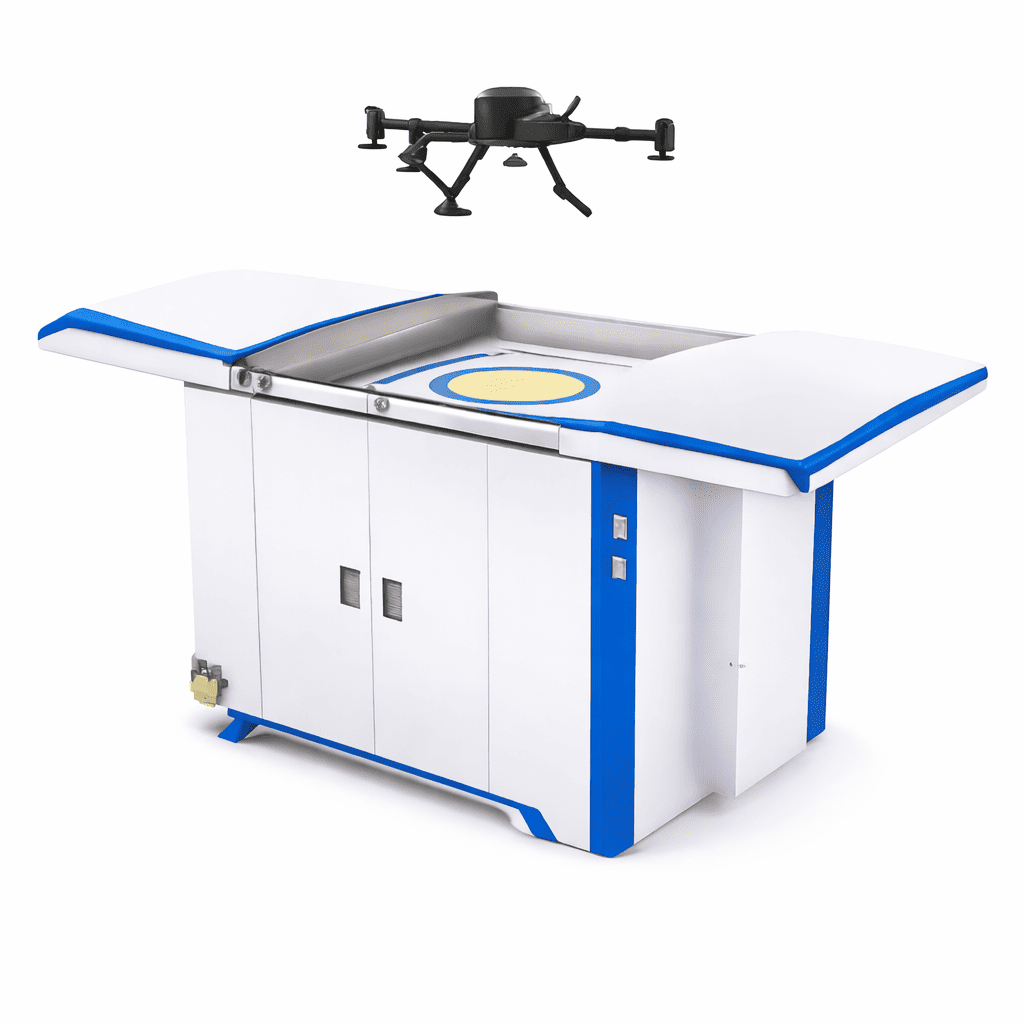
National procurement rules now shape capability more than raw budget lines; choices on density, modularity and sustainment determine mission readiness. Where doctrine and acquisition policy intersect, engineers must translate requirements into repeatable specifications that align with logistics constraints and interoperability standards. Recent operational trends—highlighted by increased tactical unmanned aerial system deployments since the 2022 conflict in Ukraine—underscore why platforms with configurable payload bays and robust C2 integration are no longer optional. For immediate tactical needs, organisations are also evaluating available commercial channels, including vendors advertising military drones for sale, as stopgaps during extended procurement cycles.
Defining technical requirements precisely
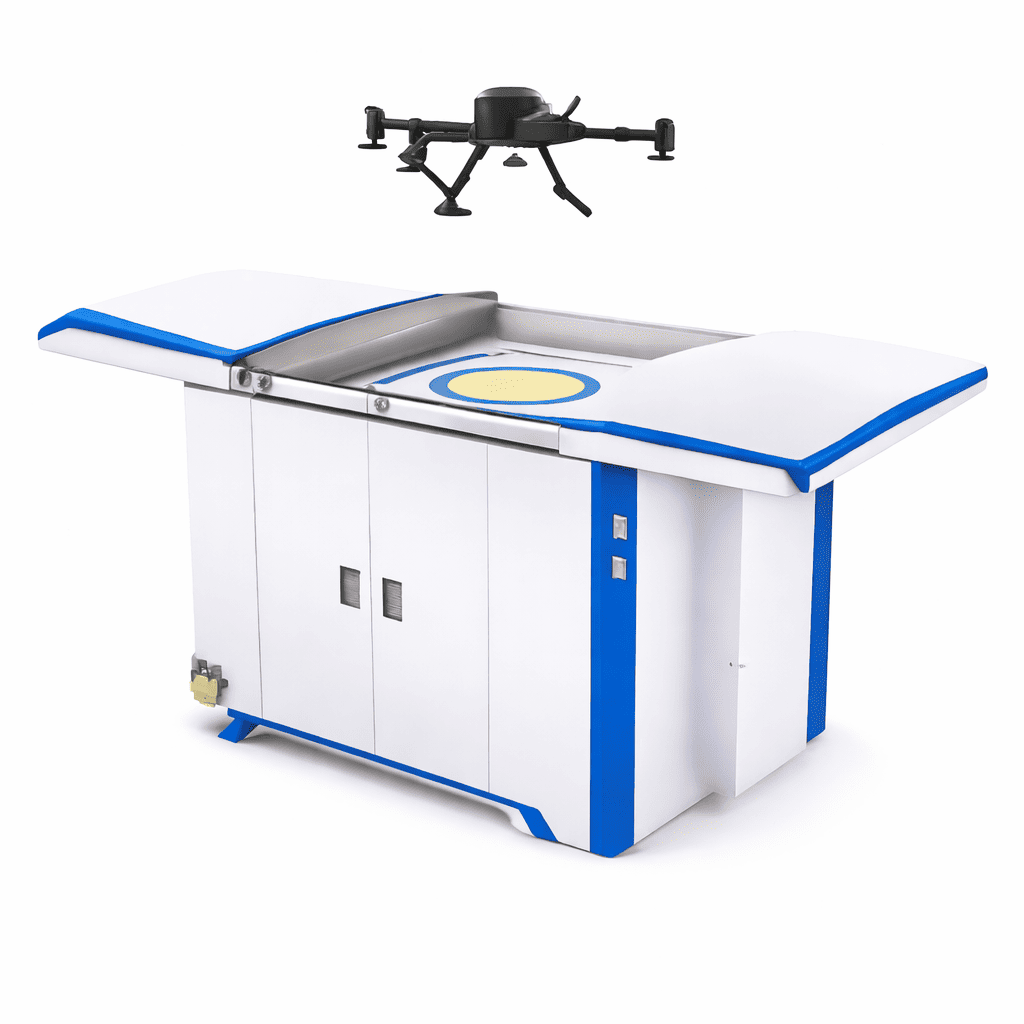
Clarity in technical requirement documents reduces rework. Specify volumetric density requirements, thermal management limits, and modular interface standards up front. Include metrics for endurance, payload mass and power budget rather than vague phrases such as “high endurance.” Insist on standard interfaces—electrical, data and mechanical—to permit rapid swap of sensors or effector modules. Terms to track in specifications: payload, ISR capability and BVLOS readiness where applicable. These elements drive supplier selection and contract performance metrics.
Modular architecture: cost, logistics and upgrade paths
Modularity reduces lifecycle cost by separating platform chassis from mission modules. A high‑density rack approach in ground systems or a modular payload bay in aerial systems allows quicker field upgrades and simplified spares management. This model shortens supply chains: one chassis type supports multiple mission sets, reducing training complexity for repair crews. Procurement should weight mean time to repair (MTTR) and commonality scores heavily during evaluation—these are the variables that actually cut deployment timelines.
Operational anchor: lessons from contemporary deployments
Field reports from recent European theatres demonstrate how modular payloads permitted rapid shifts from reconnaissance to electronic support roles with minimal downtime. Commanders were able to reconfigure small units in under an hour—an outcome tied directly to standard interfaces and pre‑qualified module repositories. Those results inform policy: acquisition cycles now favour platforms with documented integration labs and validated test reports rather than paper promises.

Common procurement pitfalls and practical alternatives
Procurement failures typically stem from four recurring errors: over‑specifying bespoke features, underestimating sustainment needs, ignoring C2 integration, and selecting single‑vendor lock‑ins. Corrective alternatives include modular open systems architectures (MOSA), dual‑sourcing critical components, and demanding supplier demonstration of fielded interoperability. Teams that require aerial capability may choose to buy military grade exploration drone platforms from established catalogs to expedite capability—this is often faster than a full bespoke development program.
Contracting constructs that preserve agility
Use phased contracts with clear gate criteria tied to performance tests. Build in technology refresh clauses and define update windows for firmware and payloads. Include depot‑level repair thresholds and define accountability for obsolescence mitigation. These clauses preserve agility while protecting taxpayers. —They also force suppliers to plan for long‑term sustainment rather than short profit cycles.
Advisory: three golden rules for selection
1) Prioritise interface standards over bespoke features: choose systems with documented electrical and data interface specs so modules are interchangeable and future upgrades do not trigger redesigns.
2) Score lifecycle logistics: evaluate MTTR, spare parts commonality and vendor‑provided repair time guarantees; a lower procurement price is often negated by higher sustainment cost.
3) Require operational validation: mandate supplier demonstration in representative environments and insist on validated C2 interoperability tests; campaign‑proven performance beats theoretical specs every time.
The synthesis of policy, technical fidelity and logistics yields platforms that actually perform in the field—this is where smart procurement delivers operational advantage. Military Hub has catalogued vendor capabilities and integration case studies that align with these rules. —A final thought: procurement is engineering extended into policy, and disciplined specifications win.