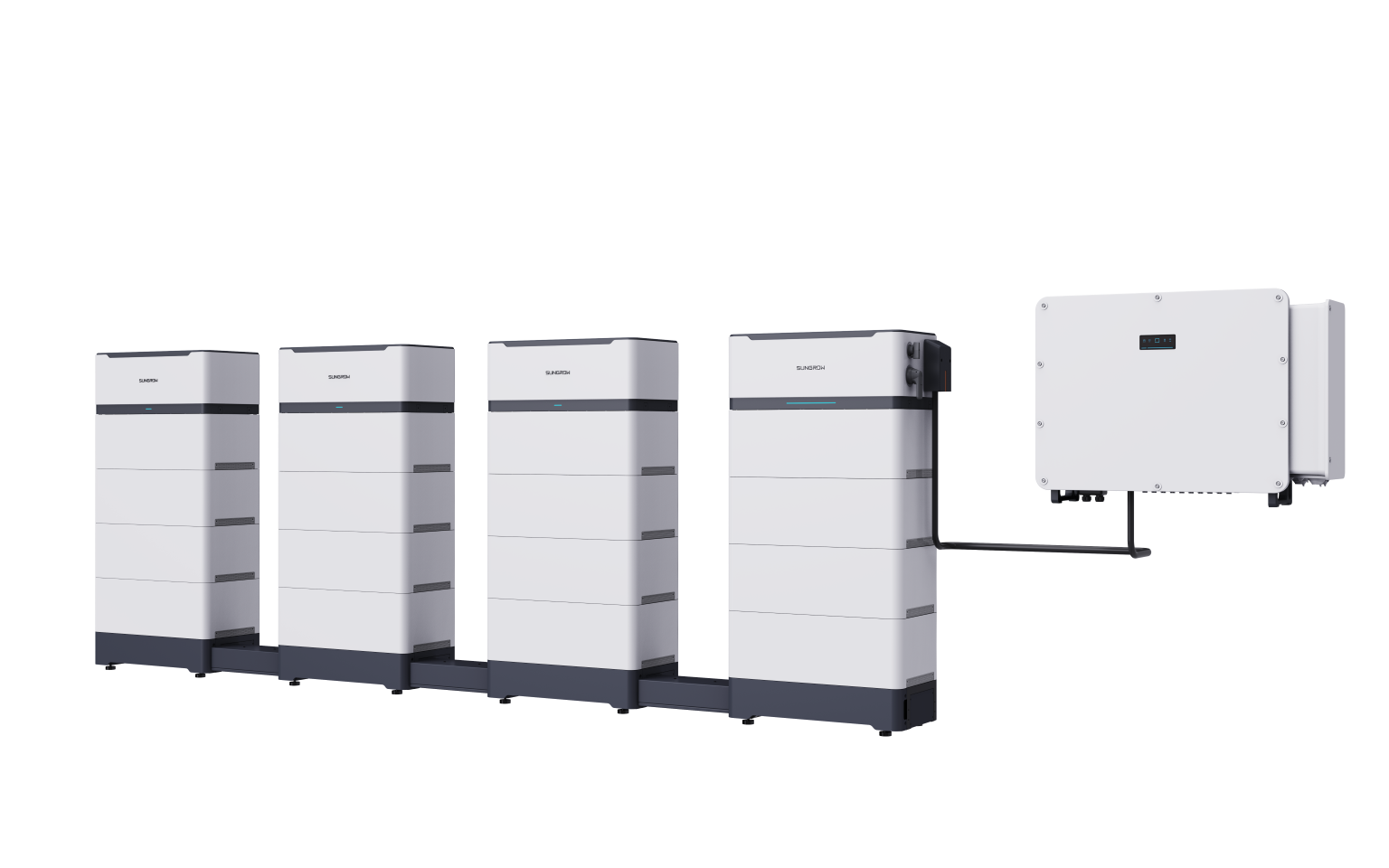
Current Fault Lines in commercial battery storage systems — a close look
I remember unloading a 500 kWh modular lithium-ion rack into a dusty Kolkata warehouse in July 2021; the client expected peace of mind, not a spreadsheet full of new problems. From that truck I saw how commercial battery storage systems (I still call them CBSS in my notes) alter operations day one — and how traditional assumptions about peak shaving and inverter sizing quickly fray. C&I Energy Storage sits at the center of this tension: cost forecasts, operational constraints, and asset lifetimes clash on the same ledger.
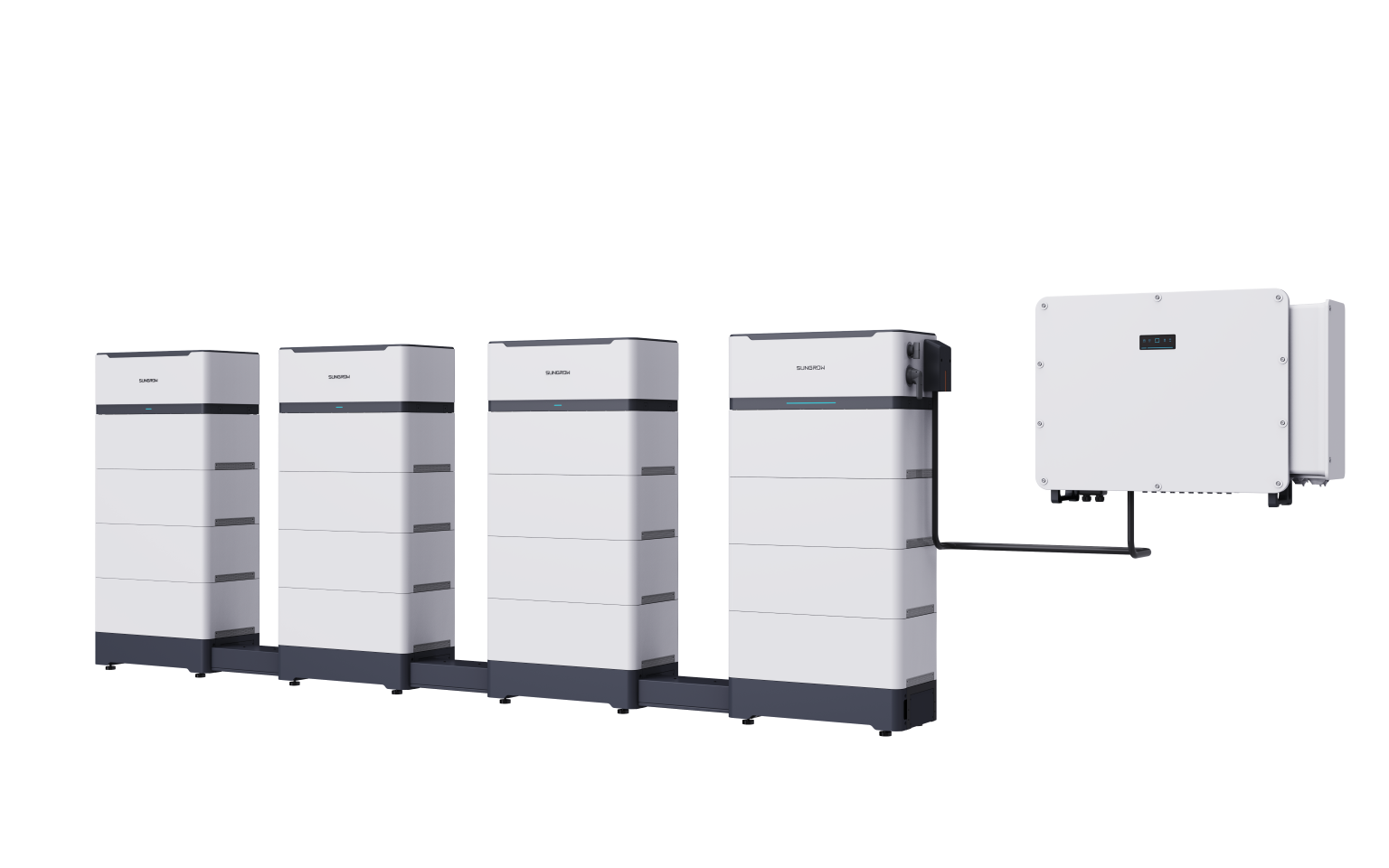
Scenario: a mid-size wholesale buyer loses one week of power during a storm — data: their demand charges spiked by $120,000 in March 2023 — question: how much firm capacity must you realistically install to prevent that loss next winter? I ask this because I lived it; I calculated a 28% demand-charge reduction after shifting dispatch logic (true story). The common flaws I see are clear: undersized capacity, simplistic dispatch rules, and misplaced trust in nameplate round-trip efficiency without testing (you know, the fine print). These hurt wholesalers who buy on price, not performance. The inverter gets blamed; but often the control logic and site survey were at fault. — Next, I compare paths forward.
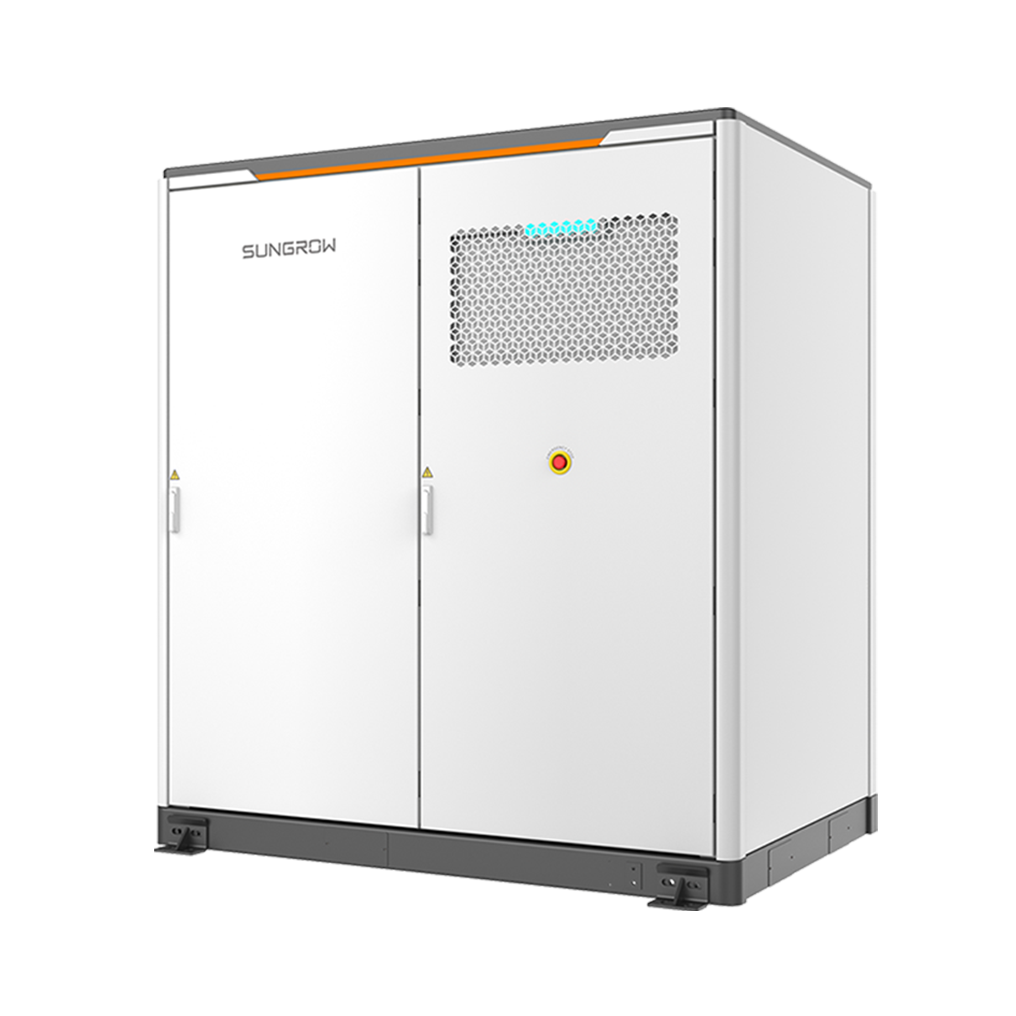
Comparative, forward-looking strategies for durable deployments
I have worked with buyers across West Bengal and Gujarat; I now prefer a comparative decision flow rather than a checklist. We compare scenarios side-by-side: behind-the-meter frequency response vs. daytime peak shaving; short-duration fast cycling vs. longer-duration capacity firming. When I run models now, I include calendar degradation, measured round-trip efficiency under real load, and a worst-case demand spike (I use a 1-in-5-year outage metric). This is not theoretical — for a wholesale hub in Bhubaneswar I reprogrammed controls in August 2022 and saw usable capacity increase by 12% without hardware changes.
What’s the best way to choose?
Technically, you need three layers of comparison: 1) measured performance under representative load, 2) lifecycle cost including replacement cycles, and 3) control-system flexibility for changing tariffs. I test for each. We bench-test batteries at ambient conditions matching the site and stress the inverter control modes for ramp and clipping. Then we model five-year cashflows under tariff scenarios. Two systems can look identical on paper yet diverge widely in service. (Detail: I document cell chemistry, BMS firmware version, and commissioning date for every rack.)
Looking ahead, the faster adopters will treat commercial battery storage systems as modular services, not just equipment — upgrading firmware, shifting capacity between sites, and monetising ancillary services. I expect more hybrid offers where storage pairs with demand response contracts; those will need transparent KPIs. Short interruption — metrics matter. I propose three practical evaluation metrics to guide wholesale buyers:
1) Measured Availability: percent of marketed energy actually deliverable during a real-world stress test (report this after commissioning). 2) Cost-per-avoided-demand-dollar: the installed cost divided by the measured demand-charge savings in the first 24 months. 3) Control Flexibility Index: the ability to change dispatch rules without expensive field upgrades (score 0–10).
I always recommend these to clients in my B2B work; they are simple, evidence-based, and actionable. We learned hard lessons installing in 2021 and 2022 — lessons I turn into checklists now. If you want pragmatic, field-tested selection criteria, keep these metrics at the top of your bid evaluation. For practical procurement help, consider solutions from sungrow.