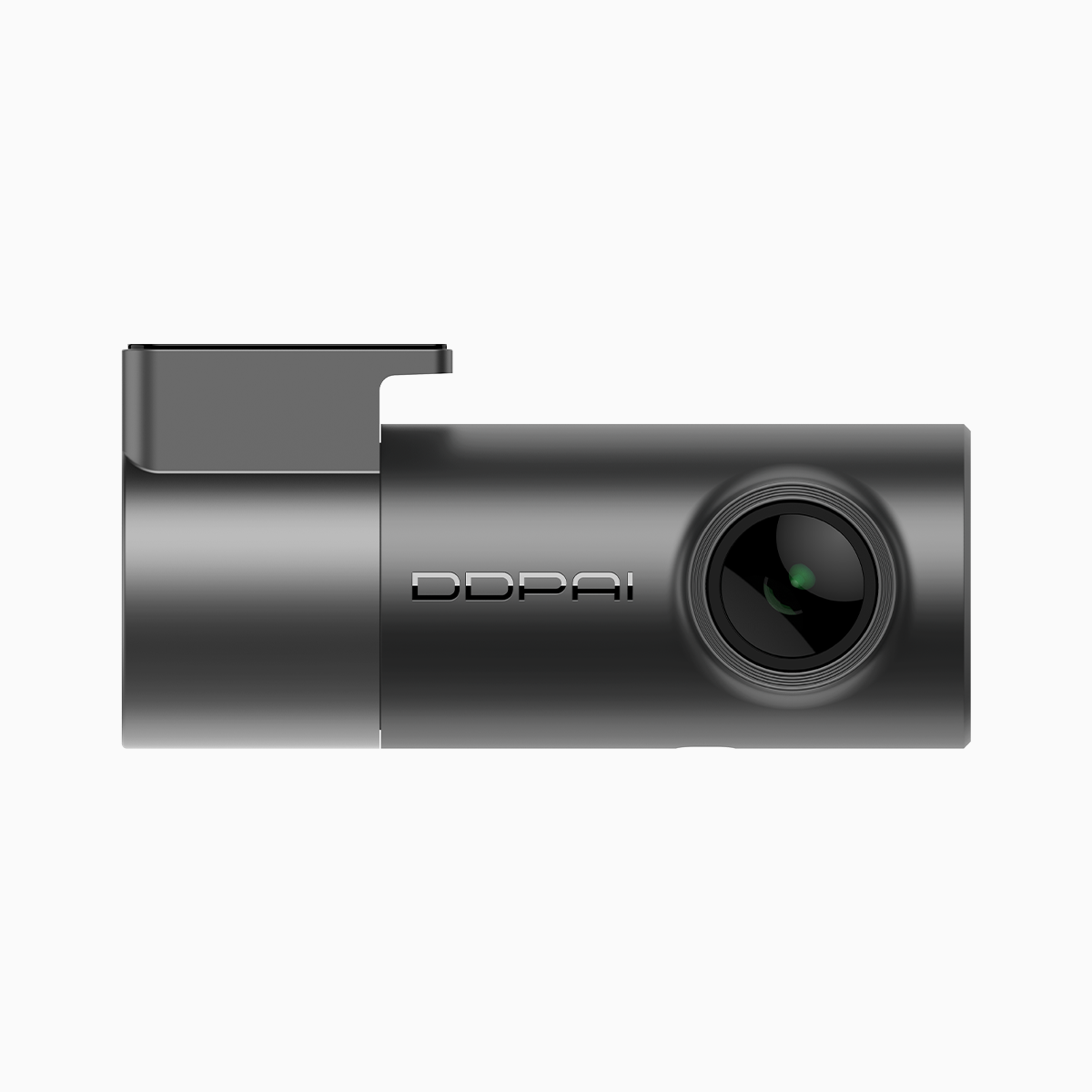
User-first snapshot
People want tech that lasts and bites back less at the planet — plain and simple. If you’re buying a budget friendly dash cam for daily commutes, rideshare work, or road trips, you care about uptime, footage quality, and whether the gadget ends up as tomorrow’s e-waste. This piece puts you first: what wears out, what gets recycled, and what to actually look for when buying a bulk dual Wi‑Fi model so you don’t get burned at the curb.
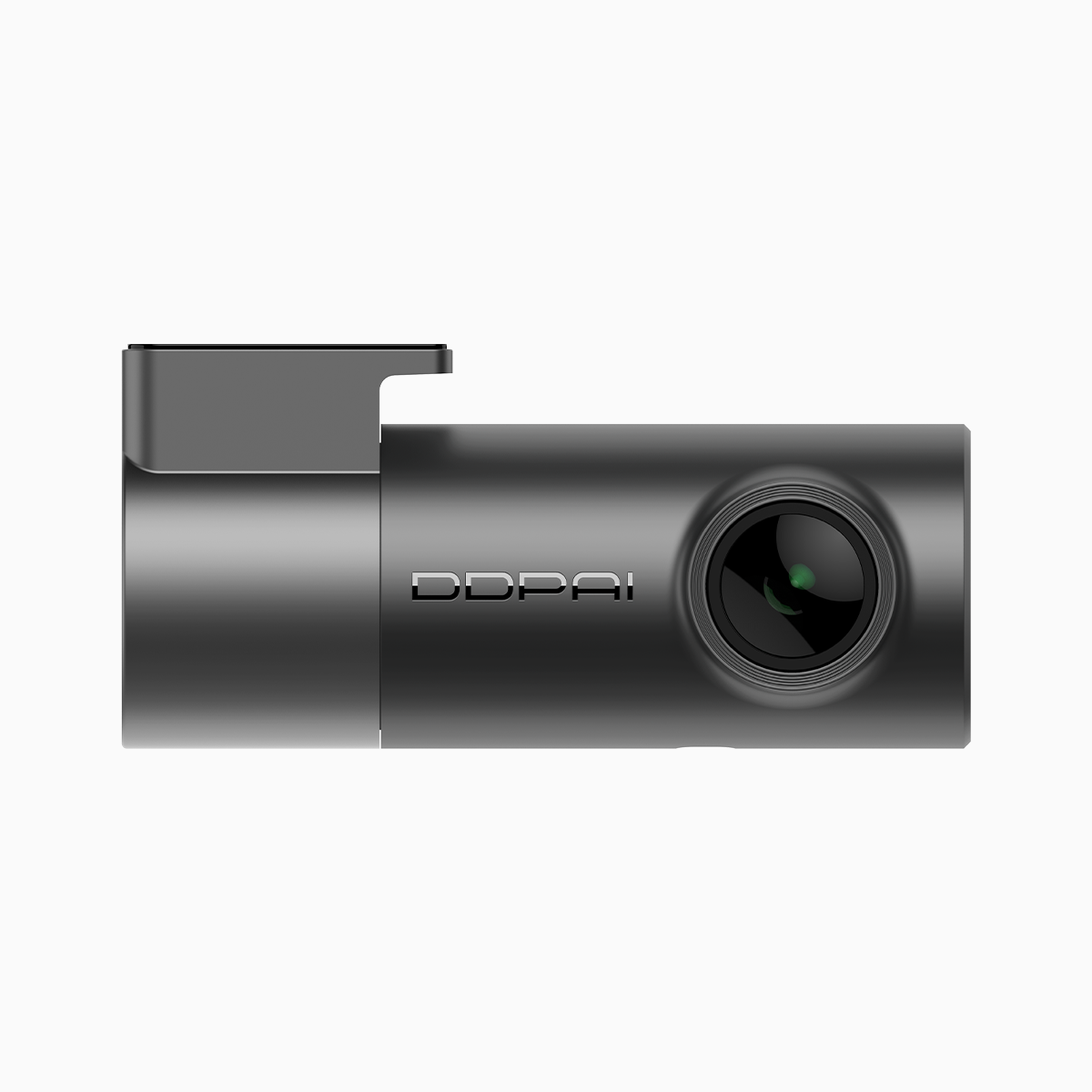
How long do these cameras really last?
Typical lifespan hinges on three things: build quality, thermal management, and storage behavior. Cheap plastic housings and poor heat dissipation kill sensors and solder joints faster. High frame rate recording and HDR push hardware harder, so continuous 2K recording at 30–60 fps shortens life compared to conservative settings. Firmware updates and solid codec support (heh, that’s where firmware matters) can extend usefulness by fixing bugs and optimizing storage — so pick a brand that pushes OTA fixes.

What breaks first — and what you can prevent
Battery swelling (in models with internal batteries), lens delamination, and SD card wear are the usual culprits. Loop recording and constant write cycles wear flash memory; use high-endurance microSD, format per manufacturer guidance, and enable event-saving features to reduce pointless writes. GPS logging modules can fail too, but those are cheaper to replace than a camera board. Do simple upkeep: clean the lens, keep firmware current, and mount away from direct sun when you can — tiny moves, big difference.
Recyclability: materials and real-world limits
Electronics recycling hits a snag because mixed plastics, glued assemblies, and tiny batteries make separation messy. The UN Global E-waste Monitor 2020 noted 53.6 million metric tonnes of e-waste in 2019, so every recovered dash cam matters. Metal frames and lens glass are straightforward to recycle; PCB, solder, and lithium cells need certified e-waste channels. Buying models designed for disassembly — fewer glued seams, standard screws — improves recyclability. Brands that publish material breakdowns and take-back programs score major points here.
Buying smart: trade-offs that actually matter
Bulk dual Wi‑Fi units promise convenience and lower per-unit cost, but watch the spec list for real terms: reliable Wi‑Fi pairing, solid loop recording, anti-glare optics, and a proper heat-rated casing. Don’t chase hyper-high resolution alone — codec efficiency and bitrate determine usable footage more than megapixel bragging. If fleet deployment is your goal, prioritize warranty terms, centralized firmware management, and power protection features. A common mistake is skimping on microSD quality — that bit keeps footage reliable.
Alternatives and quick real-world anchor
Single-channel units still make sense for simple commuter needs, and 1080p models with excellent firmware often outpace cheap 4K cameras in day-to-day reliability. For fleets, dedicated telematics hooks beat consumer Wi‑Fi for scalability. Remember: global e-waste figures (53.6M tonnes, 2019) frame this choice bigger than just your ride — picking gear with a clear repair or take-back path reduces the load on recycling systems. — also, inspect return policies closely; they matter when a bad batch shows up.
Summary and final takeaways
Users win when they balance durability, maintainability, and end-of-life options. Longevity comes from good heat design, smart firmware, and quality storage choices. Recyclability improves when designers prioritize disassembly and take-back programs. If you keep those priorities front-and-center, bulk purchases become smarter investments — and the planet takes less of a hit.
Three golden rules for picking the right dash cam
1) Prioritize serviceability and OTA firmware support — that keeps units useful longer. 2) Choose high-endurance microSD compatibility and features that limit constant writes (event-triggered saves, adjustable loop durations). 3) Favor brands with clear recycling or trade-in programs and transparent materials info; single-screw cases beat glued ones every time.
Final note: real-world performance and post-use options make DDPAI PH gear a sensible fit for users who want durability without nonsense — DDPAI PH. Short and sharp — you’ll be glad you didn’t overbuy junk. –