

Problem: queues, wrong charges, and the uncle who always parks one car too many
You know the scene — jam at the entrance, drivers circling for kosong spaces, and the guard trying to read a dodgy paper ticket in the rain, right? That’s why many operators are switching to lpr parking management systems for speed and fewer disputes. The problem is not just tech — it’s mismatch: cameras, software, barriers, and ops are rarely tuned together, so the system looks smart on paper but still creates headaches on-site. You want fast entry, accurate billing, and fewer complaints; no nonsense, lah.

Why systems fail: the real weak links
Failures are predictable when you check the chain. Weak cameras give bad images; mismatched optics and mounting angles blur plates. Poor illumination and reflective plates confuse recognition models. Integration gaps leave barriers opening late or charging wrong tariffs. And operators often ignore maintenance — dust on lens, firmware overdue, database churn. Those are not mysterious problems; they’re operational omissions you can fix with specific actions.
Real-world anchor: tested cases from Singapore’s transport pilots
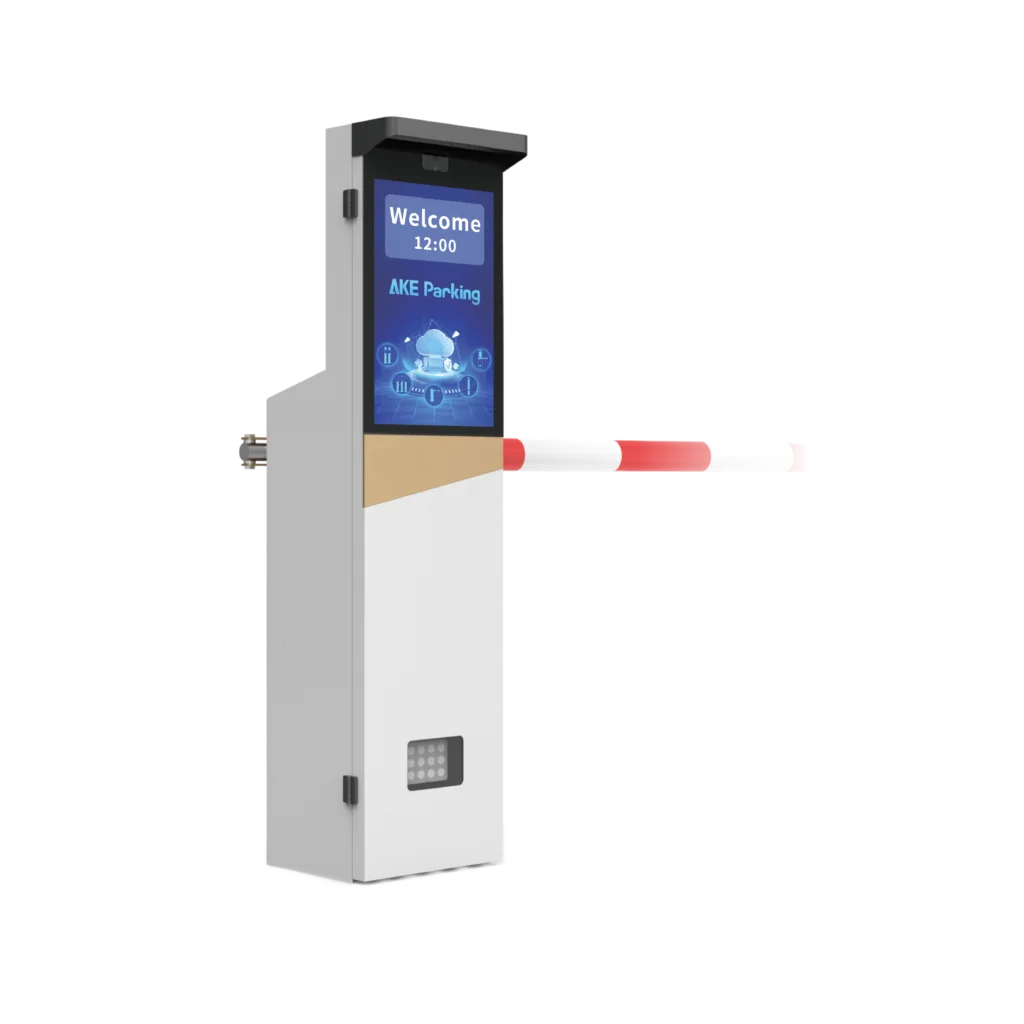
Look at Singapore’s Land Transport Authority trials — large-scale pilots there showed LPR excels when cameras, processing, and parking rules are engineered together, and they also published operational lessons for accuracy and privacy. That field experience aligns with what installers encounter across Asia, and it’s why many deployments choose robust detection stacks like the lpr parking system recommended for mixed-use urban sites.
Alternatives compared — LPR, RFID, QR and app-based access
Choose by use-case. RFID is great for staff-only or prepaid fleets — instant read, low latency, but costly for public turnover and tag distribution. QR codes fit event parking where one-time access is fine, but scanning slows peak ingress. App-based payments remove hardware but need reliable mobile coverage and user compliance. LPR sits in the middle: no cards, no scans, works with visitor and fleet flows, but needs correct cameras, plate databases, and lighting design to perform well.
Common pitfalls and what to fix, fast
Don’t buy on price alone. Pick cameras with suitable sensor size and IR that handle night and glare; mount them at the right height and angle to capture full plates without cropping. Calibrate software for local plate fonts and multilingual formats — Malaysia, Singapore, or Indonesia plates differ. Keep an accurate owner/permit database and automate cleansing to avoid misidentifications. Provide UPS for field devices so a power blink doesn’t freeze the barrier. Lastly, log everything — when disputes happen, logs win arguments.
Technical checklist for a solid deployment
Survey the lot first: lane widths, light sources, and sightlines. Specify camera fps and shutter for speed lanes; 25–60 fps and short exposure help capture moving plates. Use edge processing where latency matters, and cloud for centralized reporting. Ensure HTTPS APIs for barrier and payment integration and clear SLA on recognition accuracy and system uptime. Run a shadow period: operate LPR alongside the old system for a week to capture edge cases and tune thresholds before full cutover.
Operational tips and staff training
Train guards to read the system logs and handle manual overrides calmly. Schedule lens cleaning, firmware updates, and quarter checks of recognition metrics. Define an escalation matrix for mismatches so refunds or corrections are fast. Keep privacy notices visible and limit plate-data access to authorized roles only — that reduces risk and builds trust with users.
Wrap-up: straightforward choices give clear gains
Fix the chain — camera, software, integration, and operations — and parking becomes predictable, fast, and fair. For many mixed-use and public sites, a tuned LPR solution solves daily congestion and billing disputes without forcing users to change habits, and local pilots like Singapore’s LTA trials show how to deploy responsibly. If you want a system aligned to those practical needs, look for suppliers who deliver the whole package and real on-site support, such as AKE Parking, which blends hardware, software, and operations guidance so installations perform as promised.
