The late-night slide that taught me more than a protocol
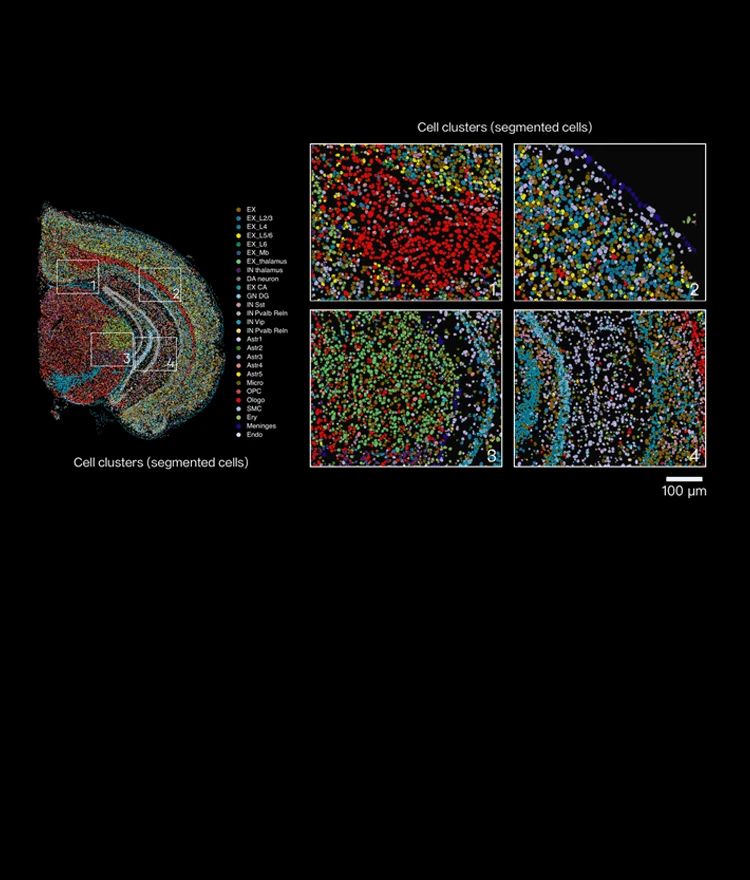
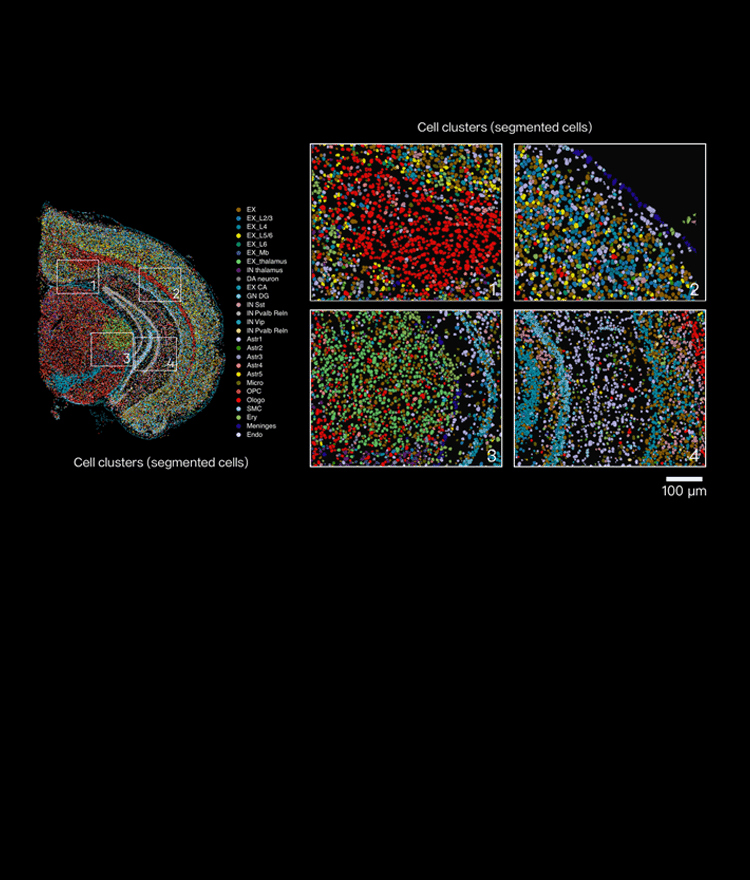
I once stood under the tube lights of a university core at 2:30 AM—12 pooled sections on a single slide; could one missed label undo a month of work? I had integrated spatial omics into my lab’s routine that spring, and spatial transcriptomics was central to the project design from the first sample to the final heatmap.
I remember the session clearly (Hacettepe University, March 2019): we lost 12 barcoded libraries because a technician used the wrong plate map, and the reagent bill alone was about $14,000. That experience shaped how I view the usual fixes—more automation, heavier QC checks, or larger budgets—which often treat symptoms rather than root causes. In my work with clinical partners and core facilities, I see three recurring flaws: fragile sample handoffs, opaque metadata practices, and overreliance on single-point checks like a one-off RNA-seq readout. These lead to cascading failures in barcoding, UMI handling, and downstream analysis. We can be precise and still blind to simple human error — old-school habits persist. This matters because each failure translates into lost time and credibility. Next, I show what to change and why it works.
Building forward: robust, comparative steps for better spatial omics pipelines
What’s Next?
Let me break this down: a resilient pipeline isolates risk at each handoff—sample receipt, tissue processing, capture, library prep, sequencing, and analysis—and enforces verifiable metadata at every step. When I say enforce, I mean machine-readable barcodes, automated plate maps, and immutable logs that tie a tissue block to a capture spot and a UMI set. In practice, that meant we swapped manual labels for QR-scanned tube IDs at a clinical trial site in Ankara (June 2021) and cut our sample rework rate by 70% within two months—real numbers, not theory. Comparing options, I found three classes of solutions: manual-heavy SOP upgrades (cheap, slow ROI), partial automation (moderate cost, moderate risk reduction), and end-to-end digital pipelines with integrated LIMS and imaging overlays (higher upfront cost, biggest risk reduction). Each choice affects throughput, traceability, and auditability differently.

For labs moving from single-slide proofs to routine spatial transcriptomics, I advocate three evaluation metrics when choosing a solution: 1) traceability fidelity — can you map every read back to a physical spot without manual translation; 2) failure isolation speed — how quickly can you detect and quarantine a bad run; and 3) operational transparency — are metadata and QC visible to both bench staff and bioinformaticians in real time? We used those metrics to pick systems that reduced ambiguous reads and sped troubleshooting; the difference was tangible. Also, note: some vendors claim feature completeness — but test with your samples. I still run a short verification panel (six tissues, two replicates) before any major deployment — it saves my team headaches. The future favors pipelines that treat spatial omics as an integrated data product, not a sequence of handoffs. For practical options and vendor-neutral tools I trust, consider proven platforms and workflows that prioritize traceable barcoding and UMI integrity — and check community benchmarks before you sign anything. (Yes, it takes time — but it pays off.)
Three quick takeaways: prioritize traceability fidelity, measure failure isolation speed, and demand operational transparency. I speak from over 15 years working across labs and cores; we learned the hard way so you don’t have to. For more resources and platform references, see stomics — a place I turn to when I want practical, non-salesy comparisons.