

The core problem: inconsistent viscosity data at scale
Teams expanding testing across multiple lines hit the same friction point: nominally identical samples produce divergent numbers. That unpredictability breaks downstream decisions—production setpoints, QC acceptance, formulation tweaks. If you’ve standardized hardware but still see variance, the fault often lives in procedural gaps, sensor context, or overlooked fluid-geometry interactions, not the instruments themselves. Practical fixes focus on reproducible procedures and controlled interfaces with rotational viscometers rather than wholesale replacement.
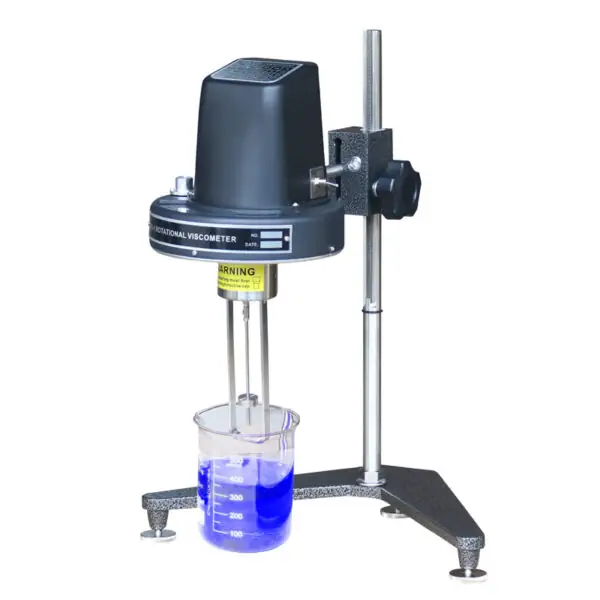
Where inconsistency comes from — a compact diagnosis
Start with these failure modes: mismatched spindle-to-sample geometry, transient temperature drift during measurement, inconsistent shear history before the test, and inadequate calibration referencing. Operational drift across operators and shifts amplifies tiny instrument biases into global error. Software sampling windows and filter settings can mask real shear-thinning behavior or create artificial plateaus. Treat the system as architecture: hardware, test protocol, data pipeline, and human operator all must align.
Practical, scalable fixes you can deploy quickly
Standardize the sampling envelope: fixed immersion depth, fixed wait times after loading, and a shared temperature setpoint with tolerance bands. Use reference fluids to validate day-to-day performance rather than monthly checks—run a quick reference check at the start of each shift. Automate capture of metadata (spindle ID, RPM, sample temp, batch code) so you can trace anomalies to inputs. Keep calibration logs and version control for test scripts; treat protocol changes as code releases with rollback ability.
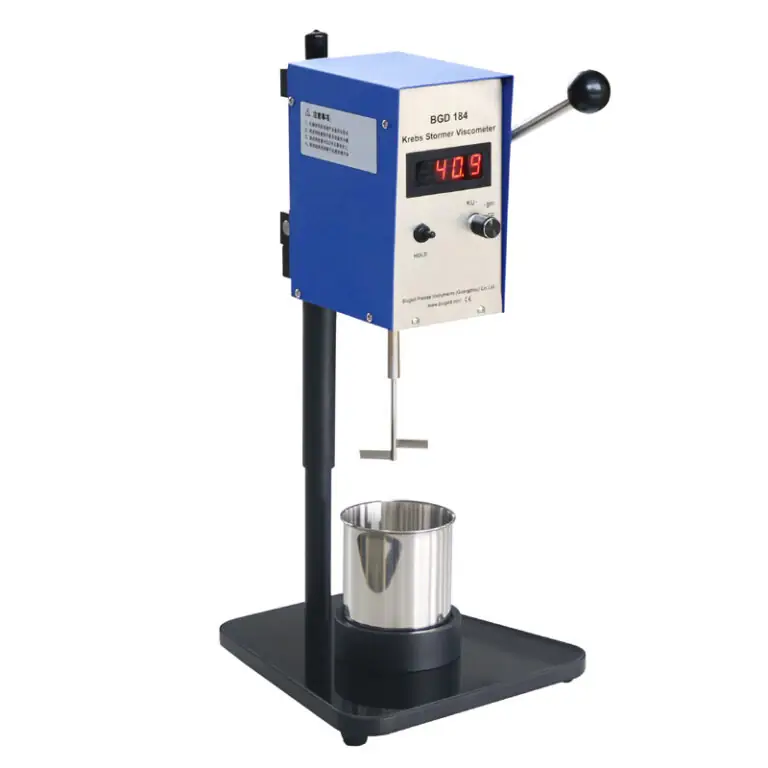
When to consider alternatives or upgrades
If your process requires high-frequency shear ramps, or if non-Newtonian effects dominate across production ranges, evaluate rotational viscometer classes for torque resolution and closed-loop speed control. For inline monitoring where sample extraction is impractical, explore inline rheometry or vibrational viscometers as complementary checks. Yet for bench validation and regulatory reporting, rotational units still give the clearest shear-rate control per test. Decide by matching instrument dynamic range to your process’ viscosity span rather than by brand alone.
Experience, authority, and a real-world anchor
I’ve overseen viscosity QA for coating lines and formulation labs, implementing daily reference runs and automated metadata capture to reduce inter-operator variance. Industry discussion at the Society of Rheology annual meeting reinforces that reproducibility hinges more on protocol discipline than on marginally better sensors. For bench workflows that require clear documentation and regulatory traction, choose a calibrated digital rotary viscometer with traceable torque validation and software that exports unambiguous CSV or JSON records. Those elements build measurable trust with auditors and process owners.
Common pitfalls and how to avoid them
Don’t skip a short equilibration after loading; skipping it yields systematic low readings. Avoid swapping spindles mid-batch without recalibration—spindle profiles alter shear fields. Ignore ambient temperature control and you’ll see day/night bias. Resist the urge to apply excessive digital filtering to “smooth” curves; filtering hides process-relevant structure. Implement short checklists for operators to remove variability introduced by casual habits.
Conclusion: a targeted path to reliable viscosity data
Fix the test architecture before replacing instruments: align sampling geometry, automate metadata, run frequent reference checks, and match instrument specs to process dynamics. Those steps reduce noise and let data drive decisions consistently, which is the scalable approach production and QC teams need. For a concise inventory of instruments and validated setups that match this problem-driven approach, see BIUGED.
