Why a structured QA framework matters
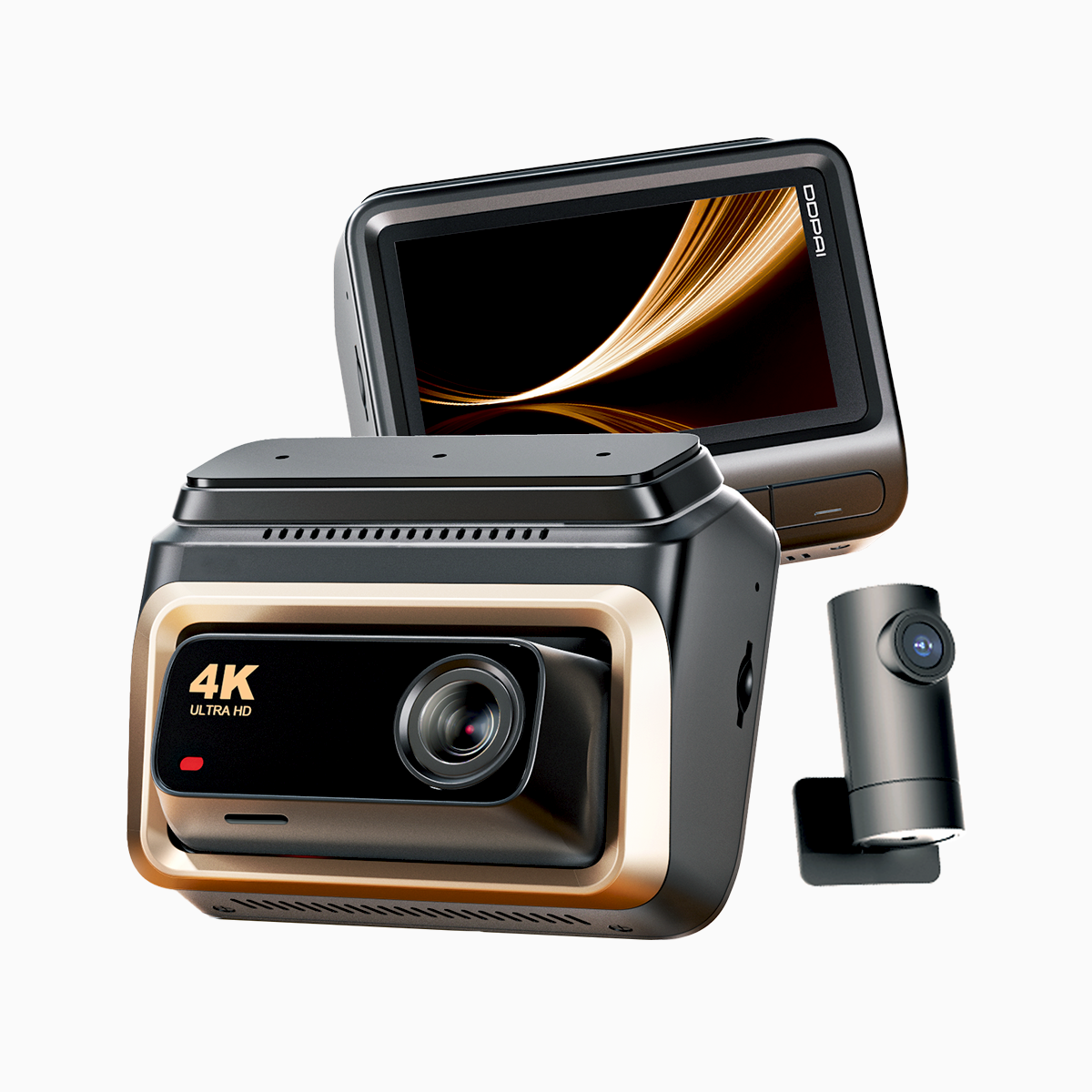
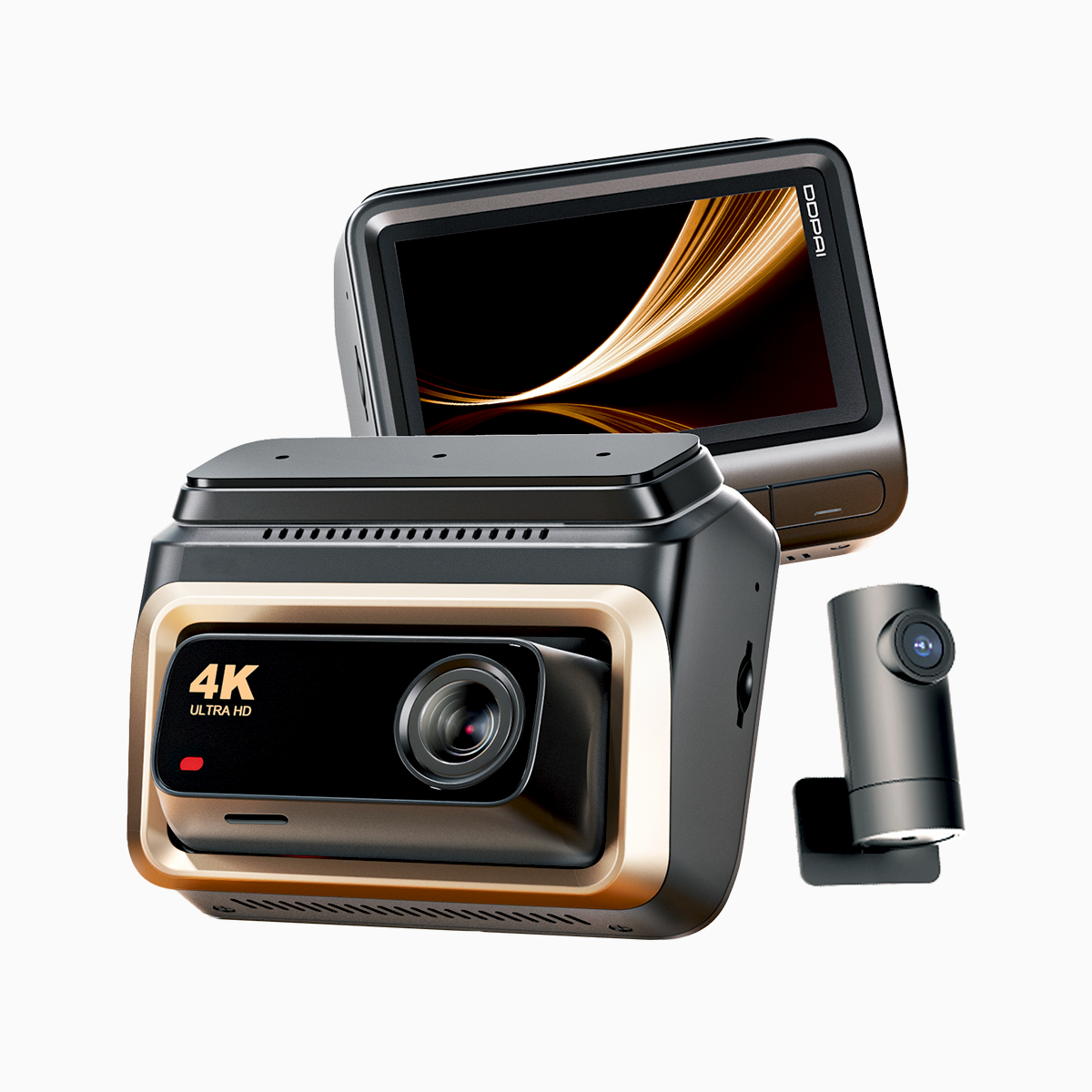
Distributors handling bulk mini dashcam consignments need a repeatable, human-centered process that protects brand reputation and reduces returns. This framework starts by aligning acceptance criteria with retail expectations and technical baselines — for example, confirming 4K UHD (3840×2160) capture where the product claims it, and verifying codec efficiency like H.265 to manage storage. Early checks should include visual sampling and metadata logs; many teams find anchoring a test batch to a known market — such as Metro Manila retail rollouts — clarifies acceptance thresholds. Practical tools like a bench camera, bitrate analyzer, and a simple playback rig make this work fast and consistent. Also note: this checklist assumes the team inspects units intended as 4k dash cam inventory.
Core checkpoints to include
A reliable audit uses three pillars: physical, firmware/feature, and audiovisual. Physical checks cover seals, connectors, and accessories. Firmware checks verify model number, version, release notes, and presence of parking mode and loop recording features. Audiovisual checks confirm frame rate, bitrate, HDR behavior, and G-sensor logging. Keep records in a standardized form with photos and hashed filenames to avoid mismatches. Use sampling plans based on lot size rather than random guesswork — a 5–10% sample often flags systemic faults without overwhelming inspection teams.
Step-by-step inspection workflow
Start at receipt: confirm carton counts, then open a representative sample. Move units to a clean bench for power-up and initial boot test. Flashlight inspection followed by a quick hardware test catches missing mounts or damaged lenses. Next, load a standard test card and record a 60-second clip under controlled lighting to assess bitrate and frame rate stability. Run a firmware checksum and capture logs from the G-sensor; label each file to tie it back to the physical unit. If firmware mismatches appear, quarantine the lot — firmware drift often signals supply-chain mixups.
Practical audiovisual testing protocol
Use a stable scene to evaluate clarity at different exposures. Confirm 4K resolution capture and check for macro artifacts, motion blur, and codec-induced banding. Measure bitrate across scenes; sudden bitrate drops usually correlate with aggressive noise reduction. Verify frame rate claims — 30 fps versus 60 fps affects motion fidelity — and ensure loop recording overwrites as specified. For parking mode, simulate impacts to validate G-sensor event captures. Include one or two brand-specific tests — for a 4k uhd dash cam, that might mean testing low-light HDR stitching and file recovery after power loss.
Packaging, labeling, and documentation
Labels must match serial ranges and IMEI or SKU lists provided by the vendor. Check accessory counts — adhesive pads, mounts, cables — against packing slips. Confirm user guides are localized where required, and that warranty cards contain clear RMA instructions. Missing paperwork erodes customer trust quickly; correct this early rather than after retail placement.
Common mistakes and quick fixes
Teams often skip log capture or rely only on visual playback. That misses soft failures like intermittent bitrate collapse or sporadic sensor resets. Another common error is accepting firmware without cross-checking release notes — small version differences can change behavior. Fixes are straightforward: mandate log capture, standardize file naming, and require firmware-note reconciliation before acceptance. Also, maintain a simple rolling log of recurring defects to spot supplier trends.
Summary and next steps
This framework turns ad-hoc checks into a repeatable QA rhythm: inspect physicals, validate firmware, test audiovisual claims, and lock packaging against paperwork. Document each step and feed findings back to procurement and suppliers for continuous improvement. The goal is consistent performance in the field and fewer customer complaints — measurable outcomes like reduced returns and faster claim resolution should follow.
Three golden rules for effective auditing
1) Prioritize reproducible tests: boot logs, checksum validation, and a fixed 60-second capture under standard lighting. 2) Track metrics that matter: resolution fidelity (4K UHD), sustained bitrate, and reliable G-sensor events. 3) Enforce documentation: matching serials, firmware notes, and accessories must be verifiable before sign-off. These rules keep inspections efficient and defensible — and they point teams straight to suppliers when issues surface. Finally, remember that reliable field performance is the strongest brand promise, and a practical QA framework makes that promise credibly deliverable for DDPAI PH. —