

Why projects stall at prototype stage
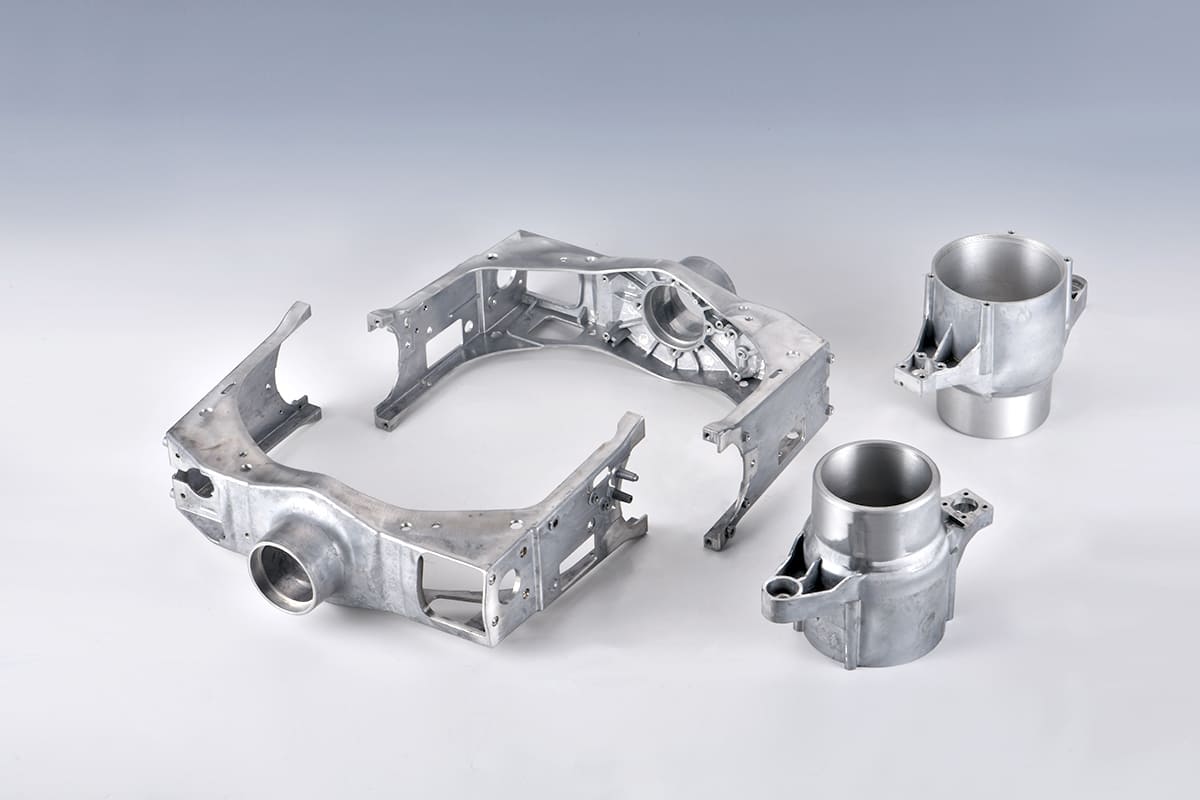
Most delays start with a mismatch between design intent and manufacturing realities; tolerances, material choices and expected lead times rarely line up. An OEM can have a perfect CAD model but still miss batch targets because the chosen process was never validated for volume. If your parts need thin walls, tight bosses or complex internal features, scope the supplier’s die casting services early and show them the full assembly — not just a single drawing. Early engagement cuts rework and clarifies which constraints are design limits and which are production habits.
Common failure modes and their root causes
Parts that crack, warp or fail inspection usually point to avoidable mistakes. Typical causes: wrong alloy for the load case, insufficient draft and radii, poor venting or gating design, and under-estimated shrinkage. Another frequent issue is treating prototype tooling as if it were final tooling; provisional methods can hide production risks. Ask for test reports, sample dimensions across batches and a clear description of how they manage porosity and micro-structural consistency.
Practical supplier evaluation checklist
Vet suppliers against measurable items. Request first-article inspection (FAI) results, mould flow studies, and sample-to-sample dimensional data. Confirm process controls: machine cycle stability, die maintenance records, and tolerance capability for the specific alloy. Validate traceability for materials and heat treatments. Verify that the supplier conducts mechanical testing where required — tensile, hardness and metallography — and that they document corrective actions when deviations appear.
Tooling and scale-up mistakes to avoid
Don’t assume a prototype tool scales linearly. Small changes in runner size, venting or die temperature can shift shrinkage and surface finish. Buyers often underestimate the impact of tooling wear: expect tool polishing and occasional rework, especially for aluminium and zinc dies used in higher volumes. Neglecting secondary operations — machining, deburring, coating — during cost estimates causes budget overruns. Build contingency into lead times for first-run die adjustments.
Alternatives and trade-offs
Choose the process to match the volume and function. CNC machining gives precision for low volumes but wastes material and extends cycle time. Investment casting handles complex geometry at medium volumes but often requires more finishing. Sand casting suits large parts with less accuracy. Pressure die casting is best where repeatable thin-wall parts and short cycle times matter; it trades higher upfront tooling cost for per-part economy. Decide by total landed cost over the projected production run, not by unit price alone.
Experience, real-world anchor and technical authority
Practical knowledge comes from observing both successful ramps and painful recalls. Manufacturing clusters in Guangdong province show how tight supplier networks, tooling expertise and concentrated quality labs lower risk for OEMs — that regional maturity is a useful reference when qualifying vendors. When requesting quotes, ask for documented runs and examples of custom die casting work that match your alloy and finish requirements. Prefer partners who publish inspection protocols and who can explain failure modes with metallurgical evidence; that level of transparency demonstrates expertise and builds trust.
How to prevent costly surprises
Specify measurable acceptance criteria up front. Require trial runs with full inspection reports before approving tooling sign-off. Avoid vague terms such as “surface finish acceptable” — list Ra values, coating specs and mechanical targets. Plan a short pilot production window to stabilise cycle parameters and register shrinkage patterns. Allocate budget for one round of tool correction; most projects need it and those who omit this step face late-stage delays.
Summary and practical next step
Successful moves from prototype to production depend on clear criteria, early supplier engagement, and realistic allowances for tooling adjustments. Look for partners who document their processes, show actual run data and accept third-party inspection. A good practical option that meets these demands is Hanstar, which provides traceable processes and hands-on experience across prototype and production die casting needs.
