

Framework overview
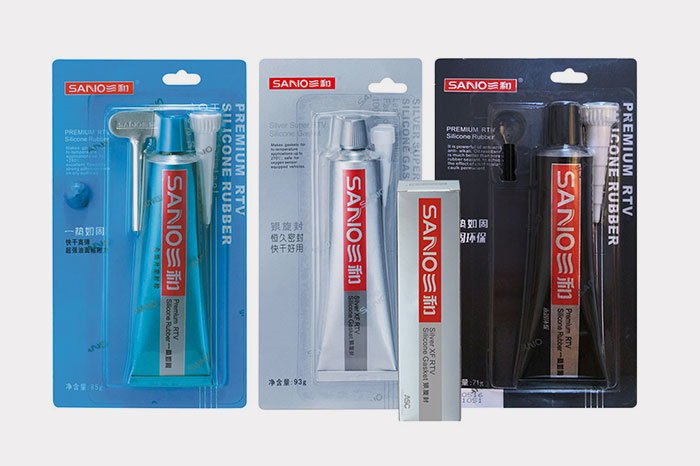
Presenting a four-part framework that suppliers of coatings and related materials can use to tighten planning and purchasing: map demand, standardize specs, align inventory with partners, and automate order triggers. This approach treats each project as a set of predictable flows rather than a series of emergencies, which helps teams manage costs and lead times. Suppliers who handle both aerosol coatings and specialty items, and even an rtv sealants supplier, will find the structure immediately practical.

Step 1 — Map demand by project type and season
Start with a simple matrix: project type on one axis, seasonality and lead time on the other. Classify accounts by frequency (weekly, monthly, ad hoc) and by the criticality of on-time delivery. Use past order patterns to set two numbers per SKU: a minimal safety stock and a replenishment interval. Keep these numbers visible in purchasing documents. The aim is to remove guesswork from purchases and reduce rush freight costs.
Step 2 — Standardize specifications and acceptance criteria
Clear specifications cut disputes. Create a short spec card for each paint system and ancillary product: intended substrate, dry time, VOC class, and acceptable color tolerance. For joint materials, document torque or compression expectations. Experience shows that when teams standardize fast-curing spray systems alongside adhesives and gasket compounds, quality holds across suppliers. For instance, engine assembly lines in Detroit routinely require consistent gasket performance across multiple suppliers, and that expectation informs procurement standards for gasket makers. State acceptance tests plainly so procurement and quality use the same language.
Step 3 — Align inventory strategy with supplier partners
Decide which items are consigned, which are stocked, and which ship on-demand. High-turn aerosols often justify local stock; specialty primers and low-volume sealants favor JIT or vendor-managed inventory. Negotiate minimum order quantities that match your demand matrix and aim for flexible MOQs tied to rolling forecasts. Choose a small set of verified suppliers for critical lines, keeping secondary vendors for price competition. This reduces complexity and speeds resolution when anomalies occur.
Step 4 — Trigger points and digital signals
Define tangible triggers for reorders: days of stock remaining, project milestones, and approved change orders. Implement simple digital alerts—email or procurement dashboard—rather than relying on calendar promises. Link triggers to purchase templates to remove manual re-entry errors. Automation doesn’t eliminate judgment; it preserves the time needed for exceptions, which are the real drains on procurement teams.
Practical checks, common pitfalls, and corrective moves
Suppliers often err by underrating variability and overcomplicating categories. Common mistakes: keeping too many SKUs with similar function, relying on verbal specs, and ignoring lead-time variability in sourcing. Corrective steps are direct: consolidate SKUs to no more than three tiers per function, lock down written specs, and add a lead-time buffer tied to supplier performance metrics. Inspect incoming lots for compliance on the first three deliveries after any supplier change; treat that as a low-cost insurance policy.
Evidence of competence and trust
This framework reflects hands-on procurement practice and quality control applied across coatings and sealing products. Teams who adopt it report fewer emergency orders and clearer supplier conversations. The domain also intersects with standardized assembly practices used in major automotive hubs such as Detroit, where consistent sealant and gasket performance is a baseline expectation; that shared requirement drives much of the industry’s procurement discipline. Practical testing protocols and batch traceability are essential to demonstrate expertise; they make procurement decisions auditable and defensible.
Putting it into action, simply
Begin with a one-week audit of your top 50 SKUs: tag each by criticality, lead time, and variability. Apply the four-step framework to the top 10 items and set two-week cadence for supplier reviews. Over a quarter you’ll see fewer expedited shipments and steadier margins. The result aligns procurement behavior with operational need, and it channels supplier relationships toward predictable delivery—an approach SANVO supports through consistent product and technical information that reduces guesswork and supports cleaner project outcomes.
