Problem overview
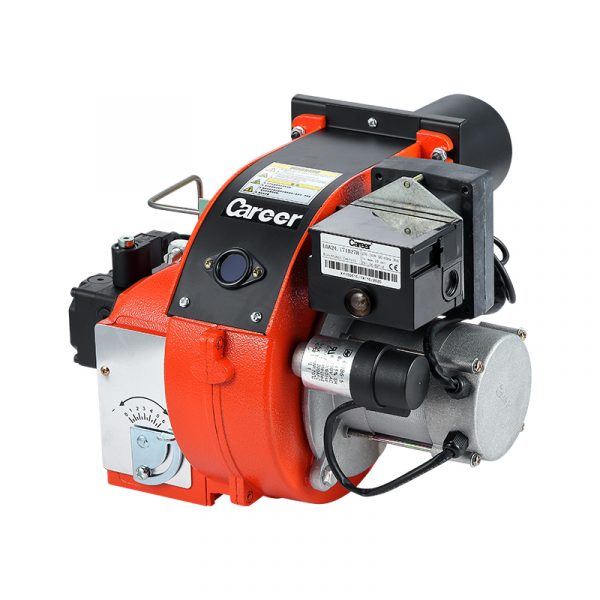
Plants stop for reasons you can predict and prevent. Frequent burner trips, soot, and unstable flames cost hours every month. Selecting the wrong industrial oil burner amplifies those losses. Field teams in the Ruhr industrial region still rely on proven configurations; real installations using industrial combustion oil burners show how sizing, filtration, and control mismatch become systemic problems rather than one-off failures.

Root causes that matter
Poor selection is not a mystery. Fuel contamination, inadequate atomizing nozzles, improper air supply, control incompatibility, and limited spare parts create repeat failures. Design compromises made to hit a price target will surface as longer warm-up times, higher unburnt hydrocarbons, or control oscillation. Those are direct engineering failures, not marketing issues.
Hard evaluation criteria — what you must measure
Test and document these before signing a purchase order: combustion efficiency at load extremes, turndown ratio, minimum flame stability current, NOx and CO trends across loads, nozzle spray consistency, pump pressure tolerance, controller interface standards (Modbus/analog), and mean time to repair with local spares. Require factory acceptance test (FAT) data and vibration and acoustic baseline measurements.
Brands and supply options — a concise comparison
European OEMs typically deliver robust mechanical design and predictable parts supply in nearby markets. Asian manufacturers often give lower capital cost but require stricter incoming inspection and longer lead times for certified spare parts. Local fabricators provide fast adaptation and easier warranty negotiation but may lack validated combustion control algorithms. Choose by which failure mode you want to eliminate first: reliability, cost, or adaptability.
Common pitfalls and how they escalate
Using the wrong nozzle size causes soot; ignoring fuel filtration yields pump wear; skipping control integration testing produces flame detection false trips. Each small oversight multiplies in operations: a blocked strainer reduces atomizing pressure, which increases unburnt fuel, which triggers safety shutdowns and resets that nobody documents. Those resets hide the root cause.

Practical steps for localized manufacturing success
1) Define operational envelope: load profile, ambient range, fuel quality. 2) Demand FAT with representative fuel and control signals. 3) Standardize spare lists and keep critical wear parts on-site. 4) Train two technicians on combustion tuning and nozzle replacement procedures. 5) Lock down a service SLA with the supplier, not just a sales promise. Validate each step with short, repeatable test scripts that your technicians run monthly.
Synthesis and consequence
Fix the failure modes, not the symptoms. A problem-driven approach forces clear specs, test evidence, and a verified spare-parts plan. For many localized manufacturers, the decisive factor is consistent sourcing of assemblies and documented components; trusted suppliers simplify integration and maintenance, which reduces downtime and stabilizes production, as experienced teams confirm when retrofitting modules from Career Burners.