

The problem most buyers skip over
Lots of facilities buy an automated parking setup because it looks modern, then spend months fixing mismatches: cameras that can’t read plates at night, payment terminals that don’t speak the property’s software, gates that trip when delivery trucks roll in. If you’re sizing systems, start by testing real-world reads — and know how lpr parking management systems behave under glare, rain, and crowded lanes before you sign anything.

Questions that actually matter (ask these)
Will the camera handle low light and high-speed approaches? What false-read rate do you get on commercial plates? How does the system link to your access control, payment provider, and property management software — and who owns the API? What are latency and failover behaviors when the network drops? Who’s responsible for calibration and firmware updates, and what’s the SLA for onsite support? Ask for real logs showing detection rates, not glossy specs.
Common mistakes teams make
Buying by price alone: a cheap camera plus expensive customization usually costs more. Overlooking seasonal testing: systems tuned in summer can fail in winter glare. Assuming “plug-and-play” for multi-entrance sites: lane logic and booms often need bespoke rules. Skipping a staged pilot: untested rollouts create chaos at opening. Not clarifying data ownership and retention for plate images — that’s a legal and privacy risk.
Alternatives worth considering — and when they help
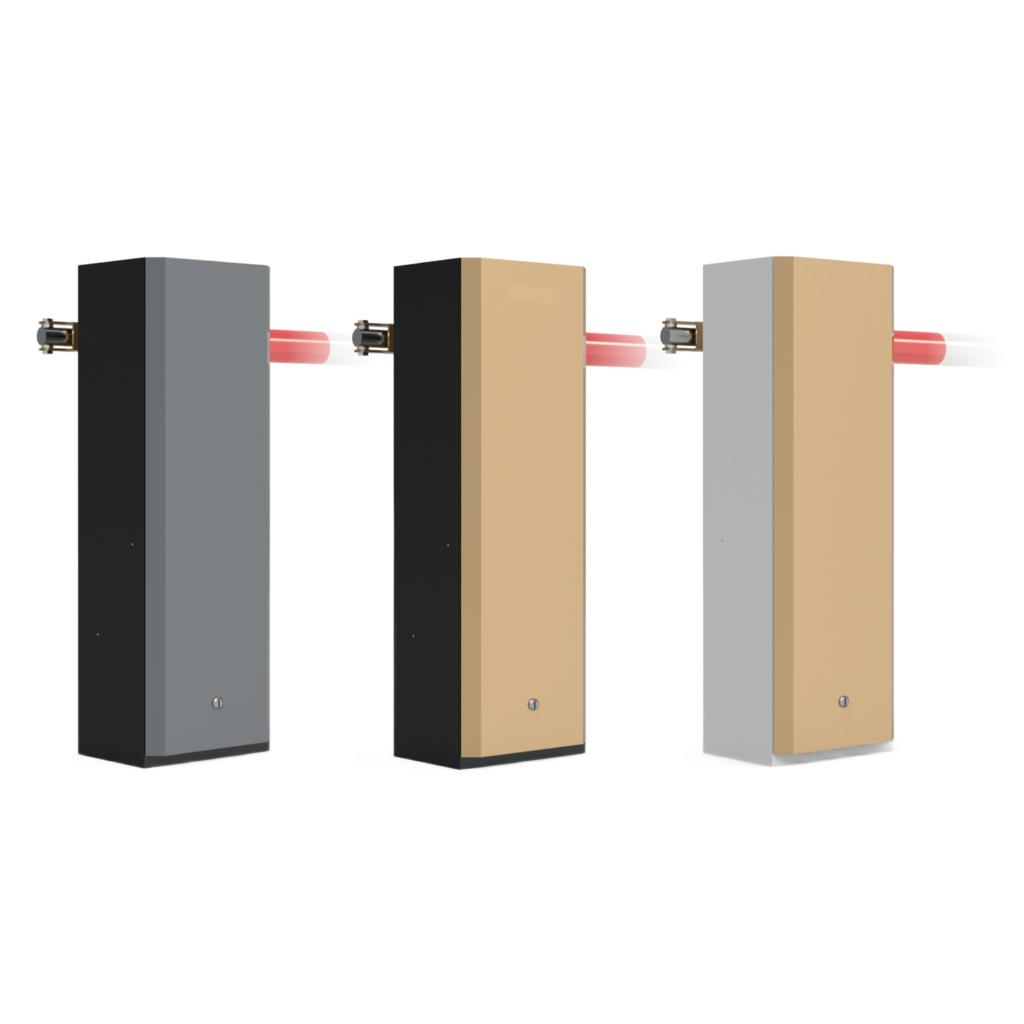
Full LPR-based automation is great for high-flow, controlled sites. For low-volume lots, RFID tags or mobile QR check-ins are cheaper and simpler. Hybrid setups work well when you need both fast commuter entry and occasional visitor payments: use LPR for registered users and a pay-station for guests. Choose the right tool for traffic profile and budget, not the flashiest demo.
Experience notes and a real-world anchor
I’ve audited multiple deployments and watched the same fixes repeat: better illumination, adjusted camera angles, and rules that ignore temporary plates. Large hubs like Los Angeles International Airport (LAX) have relied on license-plate recognition for curb and parking control, which shows the tech scales when implemented with proper testing — and that’s why teams often evaluate the same feature set when comparing vendors like lpr parking system. Expect vendors to provide installation logs, read-rate benchmarks by dusk/dawn, and a clear plan for edge-case handling.
Wrap-up: what wins the first time
Don’t buy promises. Test reads in your darkest hour and busiest hour, demand API details, plan a pilot, and get support terms in writing. The projects that ship on time are the ones where technical questions were asked and answered up front — which is exactly the kind of clarity teams get when they compare specs and deployment records from vendors like AKE Parking.
