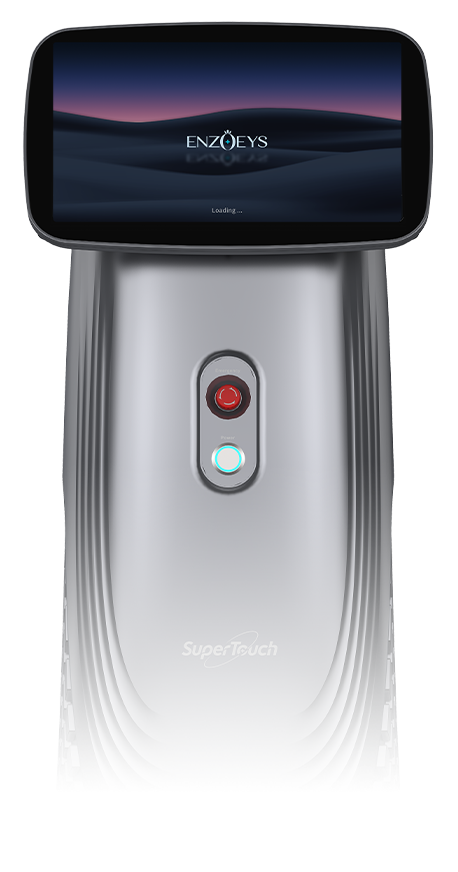
Why this matters now
Clinics are scaling treatments fast — but speed without a safety playbook costs patients and reputations. If you’re running a medspa or hospital aesthetic service, integrating new high‑fluence devices means handling fluence control, cooling systems, and pulse‑duration settings with discipline. This guide cuts to what matters and how to act. For straightforward procurement, consider vetted vendors of aesthetic medical equipment that support training and service contracts.
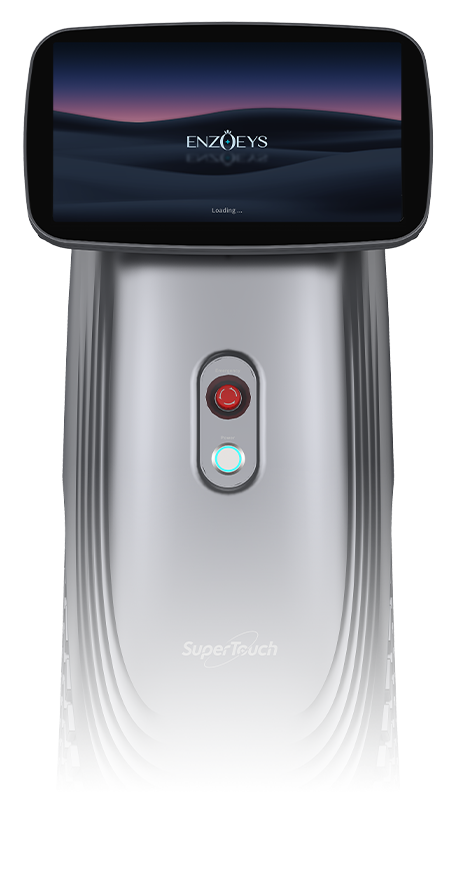
The core problem: technology outpacing operations
New lasers and energy‑based devices deliver better results but also amplify operational gaps: inconsistent protocols, inadequate staff training, and supply-chain blind spots. Clinics often assume a device is turnkey — then discover variable spot size tolerances, incomplete cooling integration, or undocumented maintenance windows. These gaps produce variable outcomes and regulatory exposure. Fixing them requires a clear ops framework and vendor alignment.
Top risks to neutralize (quick checklist)
Keep this short, repeatable, and enforceable:
- Clinical protocol gap — standardize parameter ranges (fluence, pulse duration, spot size) per indication.
- Operator competency — certify staff on device‑specific training and complication management.
- Maintenance & calibration — log service intervals and output verification to prevent drift.
- Consumables & supply — secure reliable channels for handpieces and cooling cartridges to avoid downtime.
Regulatory anchor — align with known pathways
Use the FDA 510(k) paradigm as a practical anchor: devices cleared through recognized pathways have documented intended uses and substantial equivalence, which helps translate manufacturer specs into clinic protocols. That doesn’t remove the need for local validation, but it sets a realistic baseline for safety and labeling expectations.
Operational playbook: roles, routines, and records
Run this like a training cycle — short sprints, measurable outcomes. Assign three roles: Device Lead (clinical), Technical Lead (biomedical/engineer), and Ops Lead (scheduling/inventory). Then enforce routines:
- Pre‑shift device checks: power output verification, handpiece inspection, and cooling readiness.
- Treatment time‑outs: confirm parameter set, consent, and contraindications.
- Post‑treatment audits: record energy used, adverse events, and patient feedback.
Track everything in a simple log — one sheet, one line per treatment — so trends reveal themselves fast. —
Common mistakes clinics make (and how to avoid them)
They underestimate consumable lead times, assume baseline training is enough, or skip first‑patient validation with new settings. Practical fixes: run pilot days using standard operating parameters, test with your actual cooling system and consumables, and demand on‑site training that includes complication drills. If you source equipment through aesthetic equipment wholesale, verify the vendor’s service SLA and local parts availability before purchase.
Choosing the right device and supplier
Decide by three things: clinical fit, service footprint, and data‑backed performance. Clinical fit means the device’s parameter range matches your patient mix. Service footprint covers warranty, local tech support, and calibration services. Data‑backed performance includes published clinical outcomes or manufacturer test reports demonstrating consistent fluence and spot‑to‑spot uniformity. Demand output verification reports during procurement.
Training and competency: the non‑negotiable
Training must be device‑specific, hands‑on, and assessed. A single lecture isn’t enough. Create competency checks: observed treatments, recorded parameter logs, and an emergency response drill for burns or unexpected pigmentary changes. Track recertification annually or after any software/hardware update.
Maintenance and quality assurance
Establish a maintenance SLA that includes routine calibration, alignment checks, and consumable replacement schedules. Use basic QA tests once a month: energy output, pulse stability, and cooling performance. If readings drift, pull the device from service until resolved — that’s cheaper than treating complications or defending complaints.
Three supplier negotiation levers
When you negotiate, push on these points:
- Included training hours and documented competency sign‑off.
- Uptime guarantee and loaner device terms for critical failures.
- Transparent consumable lead times and local stocking commitments.
Three golden evaluation metrics (the advisory close)
Use these to choose strategies and tools:
- Reliability metric — measured device uptime and historical mean‑time‑to‑repair (MTTR).
- Clinical consistency — variance in delivered fluence and documented treatment reproducibility across operators.
- Support depth — response time for field service and included training hours per device per year.
Wrap and practical value
Takeaway: safe, scalable integration is about people, process, and proof — not just the shiny device. Build a small ops checklist, insist on vendor verification data, and invest in repeatable staff competency. When those pieces click, you convert advanced tech into predictable outcomes — and that’s the real win for patients and teams. ENZOEYS.

Strong setup, measured rollout, steady outcomes.