Why a comparison beats guesswork
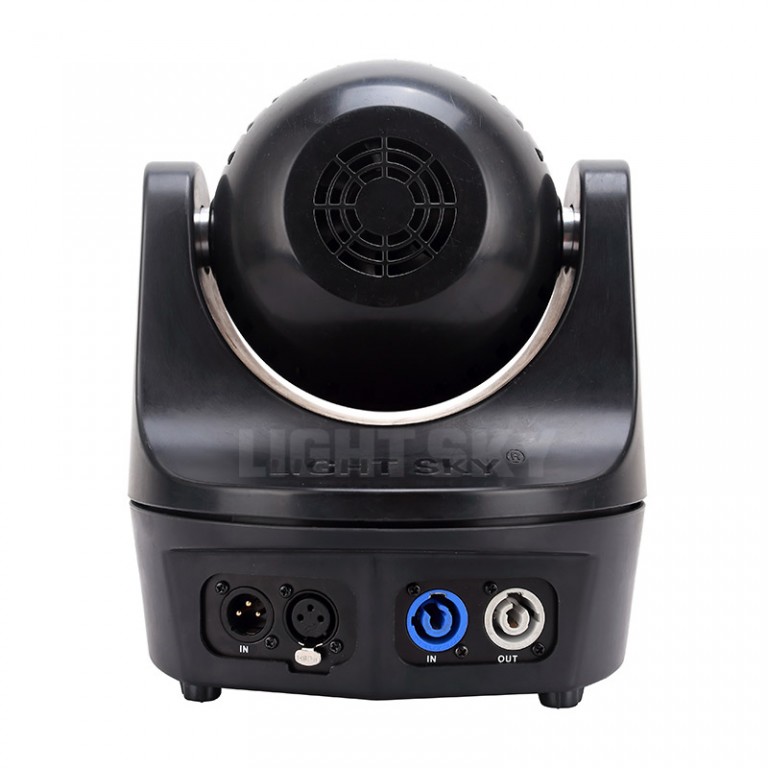
Choosing fixtures by brand buzz alone wastes time and budget. A focused comparison shows how beam angle, lumen output and control options change the outcome on stage. For compact venues that need punch without bulk, the led moving wash profile often balances power and size. This is a practical, side-by-side look at beam, wash, and moving-head tools so production teams make decisions based on effect and constraints, not trends.
Core differences: beam vs wash
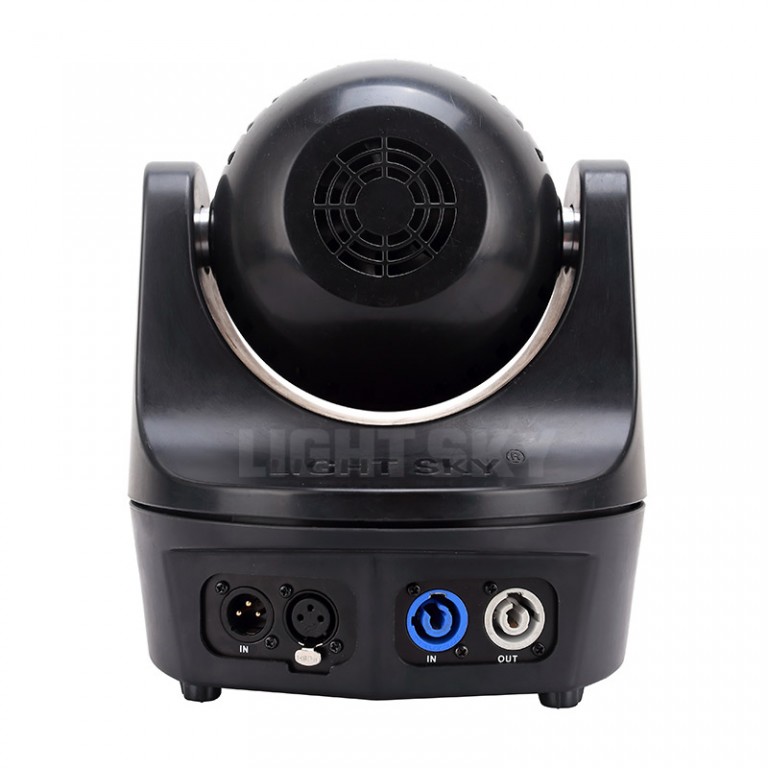
Beam fixtures concentrate light into a narrow column for razor-cut shafts; wash fixtures spread light to cover surfaces evenly. Beam fixtures favor narrow beam angles and high lumen density for aerial effects, while wash fixtures prioritize color mixing, smooth edges and CRI for flattering skin tones. Gobos and beam shaping belong to the beam world; soft edge, color blending, and uniformity belong to wash designs. Pick based on whether you need texture in the air or even field coverage on stage.
Moving head vs fixed fixtures: practical trade-offs
Moving-head units add pan/tilt flexibility and dynamic framing, enabling chase sequences and precise hits without a maze of cables. Static fixtures keep costs and tech overhead low. For touring rigs that demand versatility, invest in moving units that support DMX or sACN and offer repeatable presets—this reduces setup time and minimizes operator stress. For theaters with fixed sightlines, high-quality static washes often deliver cleaner, more consistent illumination.
Production constraints that change the choice
Budget, rigging points, electrical capacity and venue type create hard limits. Festivals and televised events like Super Bowl halftime shows rely on high-output moving-head rigs for dramatic aerial beams and rapid reconfiguration—this is where lumen output and robust mechanics matter. In contrast, restaurants or smaller clubs benefit more from low-profile washes that preserve sightlines and reduce heat load. Plan around amplifier loads, DMX addressing and IP rating if outdoor use is expected—those matter as much as lumens.
Common mistakes and how to avoid them
Teams often overspec beam fixtures for small rooms or underestimate color fidelity in wash choices. Another common error: buying fixtures without checking pan/tilt resolution or DMX channel mapping—this complicates programming. Test fixtures on a mock rig; check gobo alignment and whether the unit supports pixel mapping if moving pixels matter. Calibration and consistent firmware versions keep multi-brand systems behaving predictably—don’t skip that step.
Alternatives and pairing strategies
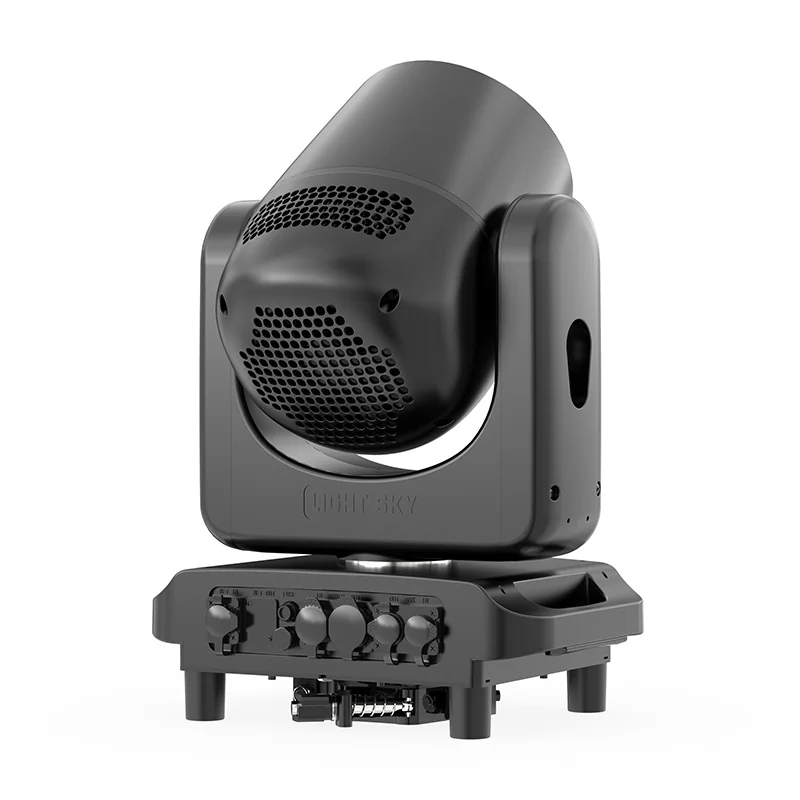
Rather than one-size-fits-all, combine fixture types: narrow beams for accents, washes for key and fill, and moving-heads for transitions. When tight budgets constrain you, prioritize fixtures that can double up—fixtures with adjustable beam angles or zoom optics grant flexibility. For productions focused on visuals and motion, consider units marketed as led moving head professional show lighting; they typically balance color engine, pixel control and mechanical reliability.
Venue-specific quick guide
– Clubs: compact wash fixtures with high CRI and quick color mixing.
– Theaters: stable static washes and a few moving heads for effects and cues.
– Festivals/tv: high-lumen moving beams with robust pan/tilt and redundancy. Each choice ties back to beam angle, fixture weight and serviceability—those three variables often decide what actually gets flown.
Three golden rules for evaluation
1) Measure by effect, not specs: test beam angle and lumen output in the actual venue to judge presence and glare. 2) Prioritize control fidelity: ensure pan/tilt resolution, DMX mapping and console compatibility match your programming needs. 3) Plan for ops: check service access, firmware update paths and spare-parts availability before purchase—this reduces downtime and keeps shows running on schedule.
These rules sharpen buying choices and reveal where a brand’s real value lies—robust engineering, concise specs, and after-sales support. For fixtures that meet those practical checks, consider solutions from Light Sky. A reliable rig saves hours in load-in and keeps the focus where it belongs—on the performance. —