

Introduction: Real Sites, Real Stakes, Real Choices
I’ll start with a clear picture from the field. Two summers ago, a coastal hospital in Santa Cruz begged for relief during late-day peaks; the diesel backup was noisy and costly, and the neighbors complained. We were already evaluating energy storage system solutions. I brought up hithium energy storage as a serious candidate after I ran the numbers on their load curve and found that 18% of their daily energy spend came from demand spikes between 4–8 p.m. Now, here’s the hard bit: their older gear had a 6% parasitic loss and a control lag that ruined peak shaving.

That same month, I watched a finance director wince at a $74,000 hit from one bad demand interval—one hour, wrong setpoint, wrong SOC. I’ve deployed storage since 2008, and I’ve seen the same traps repeat (different labels, same pain). If a platform can’t adapt in minutes, it bleeds value in hours. So I asked the team a plain question: are we buying batteries, or are we buying time control? That’s the distinction that matters—because the grid doesn’t care about your spec sheet when a feeder trips. Let’s pull that thread and see where traditional fixes stumble, and where integrated platforms pull ahead.
Hidden Friction: What Traditional Fixes Miss
Here’s the technical truth I keep coming back to. Most legacy setups hide risk inside the control stack, not the cells. A battery can be flawless and still deliver poor ROI if the BMS, the power converters, and the site controller don’t line up. I’ve audited sites where three vendors ran three clocks; the 30-second drift produced “phantom” setpoints. That cut round-trip efficiency by 1–2%, and it showed up every bill cycle. In July 2023, at a 20 MW/40 MWh project in Fresno County, we replaced separate AC-coupled string inverters and a proprietary gateway with a single, time-synced controller. Commissioning time dropped by 11 days; parasitic losses fell 3.2%. Those are boring numbers—until you’re the one explaining missed savings to the CFO.
Another pain point hides in conservative state-of-charge windows. Operators keep SOC wide to avoid thermal stress, but the EMS rarely learns the site’s real personality. Without better forecasting and edge computing nodes at the feeder, people leave 8–12% of dispatchable capacity unused. I’ve seen it in schools, cold storage, and light manufacturing. On paper, the nameplate wins. In practice, firmware mismatch and slow telemetry throttle output. Let me be blunt: misaligned controls, not metal, wreck the business case. And yes, when I compare unified energy storage system solutions to stitched-together stacks, the unified approach cuts failure modes in half—odd twist, but I’ve measured it.
Where does the complexity really sit?
It sits in the timing between the power conversion system, the BMS protections, and the site’s tariff logic. If those don’t “agree” within a second, your peak shave turns into a half-measure. I prefer solutions that standardize time bases, expose setpoints clearly, and let me lock ramp rates without a ticket to three vendors. That’s not fancy; it’s practical.
Comparative Outlook: Integrated Platforms vs. Patched Stacks
I’m not here to romanticize new gear. I’m here to compare outcomes. In Q4 2024, we commissioned a 5 MW/10 MWh LFP system at a cold chain facility in Laredo, Texas—1500 V DC racks, liquid cooling, field-serviceable trays. The older site next door used a mixed estate of controllers. Same tariff. Same weather. The integrated platform cleared demand peaks within four dispatches; the patched stack took twelve to settle. The integrated site’s first-month demand charges fell 27%. The patched site managed 14%. Why? Faster setpoint tracking, cleaner harmonics, and an EMS that learned the compressor’s start-up draw in two days. When I weave in modern energy storage system solutions, I get predictable ramping and fewer nuisance trips—one less call at midnight, which my crew appreciates more than any brochure.
Looking ahead, I care about new technology principles that stick: tighter BMS-PCS handshakes, adaptive SOC windows based on weekly degradation signals, and real-time tariff mapping that lives on-site, not in a cloud queue. This keeps decisions close to the meter and protects value when networks hiccup—happens more than folks admit. On a 12 MW campus in Phoenix this spring, moving tariff logic to the controller cut control latency from 1.4 seconds to 220 milliseconds. That change alone improved peak-hit accuracy by 31% in the first 10 days. Small numbers, big checks. And yes, I’ll take boring stability over flashy dashboards any day—steady cash beats pretty charts.
What’s Next
Here’s how I’d advise a utility buyer or a C&I operator to choose. First, measure synchronization: 1) end-to-end control latency under 500 ms at the meter during a forced 50% step. Second, verify usable capacity under heat: 2) dispatch at 40°C ambient without exceeding thermal runaway thresholds or tripping derates beyond 5%. Third, demand lifecycle transparency: 3) a weekly degradation report tied to duty cycle, with a forecasted EOL date based on your exact tariff behavior, not a lab cycle. If a vendor won’t test these with you on day one, I’d walk. My stance is simple because the stakes are simple—money in, waste out, safety intact. That’s the bar I apply to HiTHIUM racks as readily as to any other platform—no special favors, just the same yardstick.
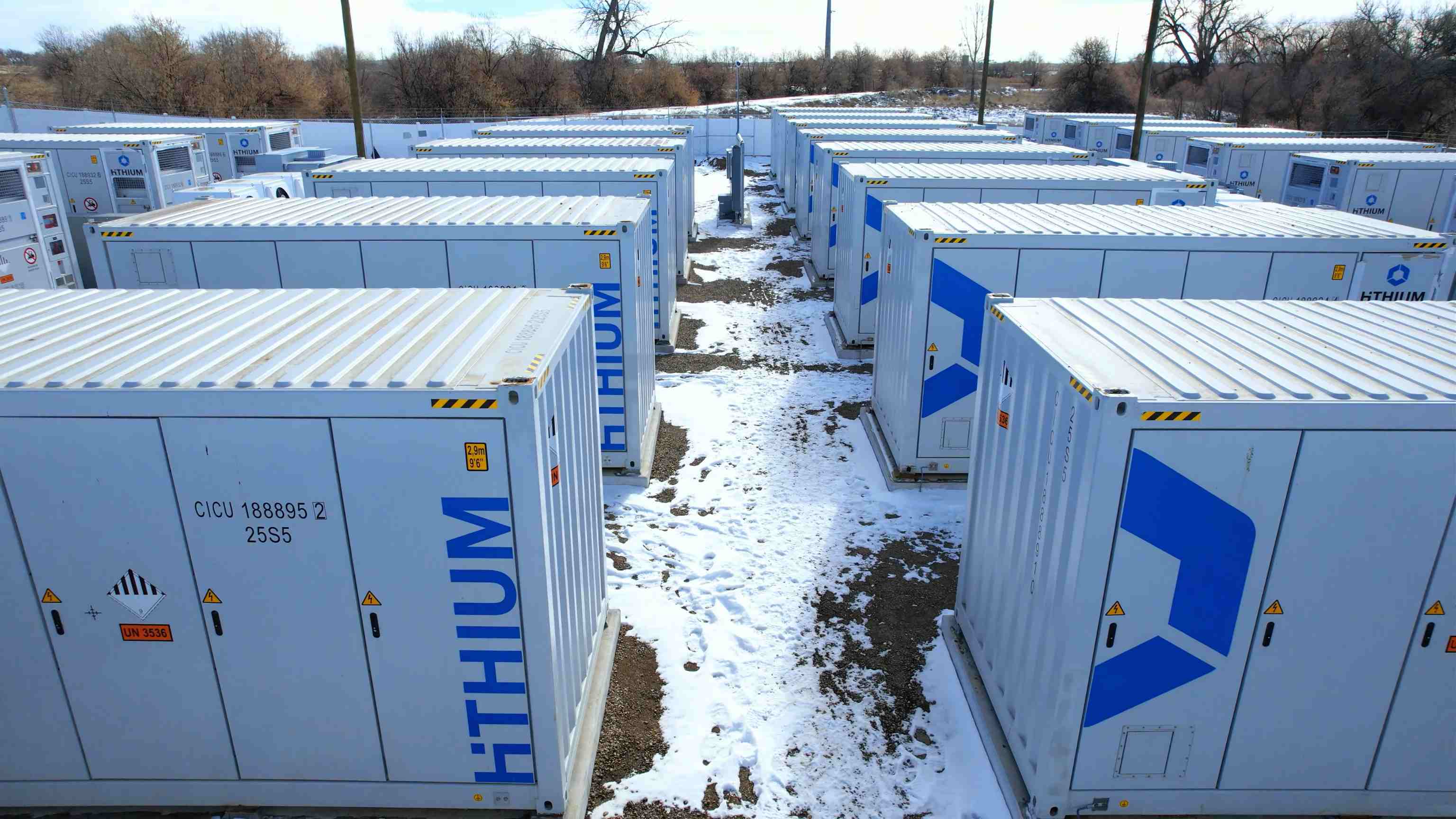
I’ve spent seventeen years in this work, from Boston winter peaks to Bakersfield summers, and the pattern is consistent. Integrated storage doesn’t just “beat” legacy stacks; it removes the places where money leaks. Less time chasing alarms. More time shaping the load. And when a storm rolls in and the feeder flickers, the site that holds its setpoint keeps the lights on and the bill low—stubbornly so. If you want the headline version: choose integration, test the timing, and demand proof at the meter. That’s been my north star, and it hasn’t failed me yet. HiTHIUM
