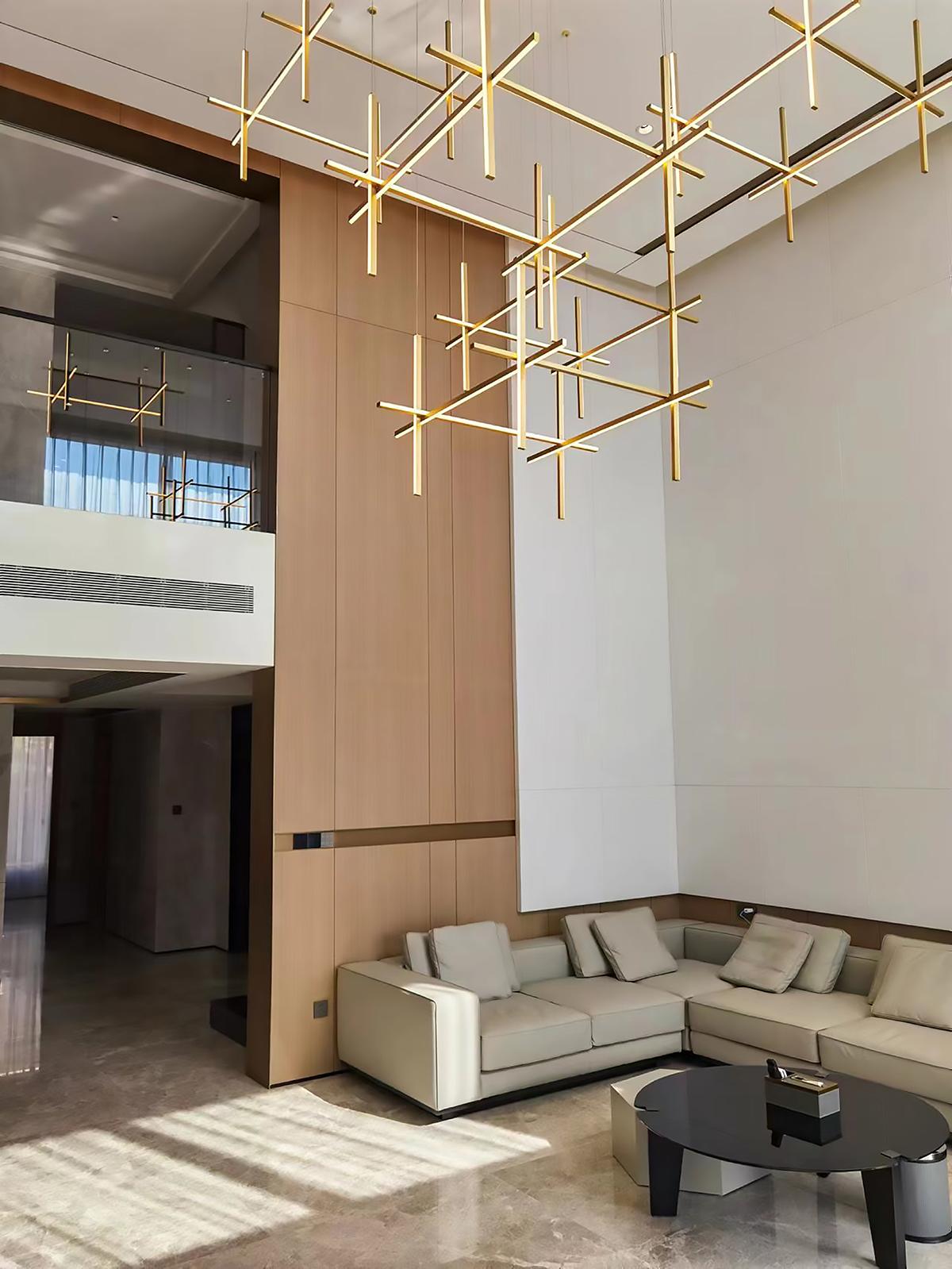
Introduction: The Room That Stays With You
Lighting makes or breaks a room. Period. A bespoke lighting company sets that vibe before the first hello, long before the music hits or the menu lands. When you start hunting for custom chandelier manufacturers, tiny choices turn into big swings: finish, scale, controls, install path—each one moves the needle. Data backs it up; lighting can shape mood, dwell time, and even spend, while buildings still spend a big slice of energy on fixtures and glow. Specs like lumen output, CRI, and dimming curves are not just jargon; they change how people feel the second they step in. Real talk, that glow you still remember from a hotel bar on a rainy Tuesday? It wasn’t luck. It was design, coordination, and a plan that holds up under messy site realities (dust, change orders, late trucks).
So here’s the question: if the stakes are this high, why do so many projects fall into the same traps? Let’s cut through the noise and stack the options side by side—then we’ll look ahead at how to future-proof your choice.
The Hidden Snags in the Usual Way
What’s actually holding projects back?
Most teams start with drawings and mood boards, then chase price. That’s where the trouble starts. The typical “catalog-plus-tweaks” path can miss load limits, ceiling access, and maintenance access, which turns a sleek idea into a costly onsite surgery—funny how that works, right? Without early photometrics and a clear weight map, installers hit delays. Without a clear plan for drivers and power converters, voltage drop and flicker pop up later. Look, it’s simpler than you think: if the brand cannot show mockups, shop drawings with wiring paths, and finish samples under site lighting, you’re gambling.
Then controls show up. DMX control, 0–10V, or DALI need a plan that matches the space and the staff. If your front-of-house can’t dim a center tier without ghosting, the vibe collapses. Thermal management matters too; crystal and metal trap heat, and if LEDs cook, color shifts and lifespan falls short. Another hidden pain point is service: who handles glass rehangs, who stocks spare modules, who logs serials for warranty? A real partner tracks install steps, tags parts, and leaves a clean playbook. No playbook, no peace. Add local code compliance, seismic bracing, and fixture labeling, and you see the pattern—late fixes cost more than early design time. The right maker asks more questions up front because that’s how you save weeks at the end.
Next-Gen Moves: Principles That Change the Game
What’s Next
Now let’s compare old school with next-gen. Yesterday’s approach was monolithic: one massive frame, fixed drivers, and a single dimming plan. Today’s smarter approach is modular. Break big chandeliers into transportable segments, use modular drivers near the load, and spec quick-disconnects so maintenance is a ladder job, not a shutdown. Add edge computing nodes for control logic at the fixture, so your scenes don’t lag when the network hiccups. Tie it together with PoE or robust low-voltage risers for safer installs and easier updates. This is not buzz. It’s about fewer points of failure and cleaner commissioning. If you need an idea library, a glance at a custom chandelier makers gallery crystal chandeliers collection shows how segmentation, cable routing, and canopy depth change the install story—because the devil is in the wiring.
Forward-looking also means data you can actually use. Track runtime, define dimming presets for events, log failures, and keep spare kits labeled by tier. Pair DMX with local fallback so a scene still runs if the main controller naps. Use simple load balancing across runs to stop hot spots and extend LED life. And don’t forget people; housekeeping and engineering need training shorts, not a thick manual. Here’s how to judge partners fast: 1) Engineering depth: request photometric files, thermal paths, and control topologies that match your building. 2) Commissioning proof: demand test videos, wiring diagrams, and a punchlist plan with serial tracking. 3) Lifecycle plan: confirm spare modules, glass SKUs, and a clear service SLA for year one. Do this, and you get fewer surprises, cleaner installs, and lighting that keeps the room famous. Street smart meets spec smart—that’s the whole play. kinglong