

Introduction — a shop-floor morning that still sticks with me
I remember a humid Monday in Veracruz, the kind of morning where the workshop smells of warmed plastic and strong coffee. That day a batch of printed gaskets warped after 48 hours on the shelf; we were using standard resin materials and the returns started piling up. I’ve been selling to and advising wholesale buyers for over 15 years, and small failures like that add up fast—both in lost product and in trust.
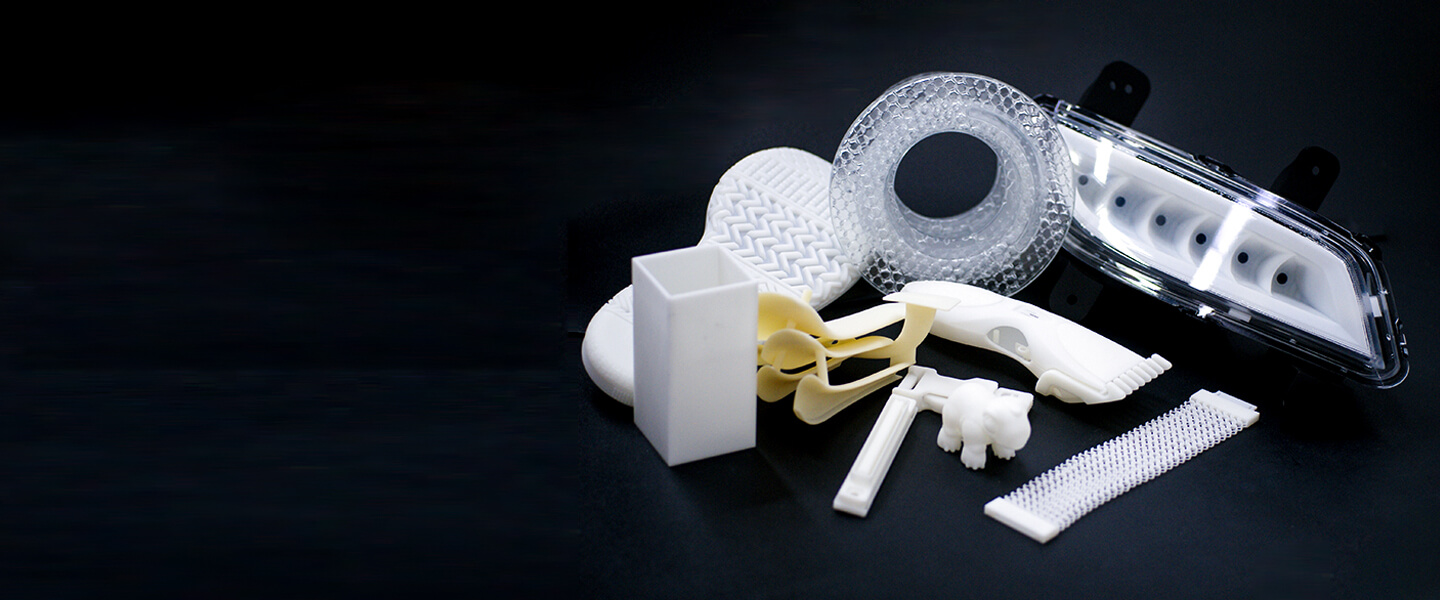
Statistically, failure modes in soft parts are common: in our audits across three clients in 2019–2021, roughly 18% of flexible parts showed measurable deformation within two weeks when not properly specified. So, what is really going wrong at the material and process level? (Spoiler: it’s rarely a single cause.) This next section digs under the surface to show why standard fixes often miss the point.
Part 2 — Why common fixes for flexible parts often fall short
I focus here on flexible 3d printing material because that’s where most buyers try to economize—pick a rubbery photopolymer, print, ship. On the surface: cheap elastomer, quick print, job done. In practice: parts craze, stick, or relax under load. I’ve seen suppliers swap shore values (durometer) across batches, and clients blame printers when the real culprit was inconsistent photopolymer viscosity or uneven post-curing.
Two technical issues show up again and again. First, shore hardness and durometer ratings are useful but incomplete. A shore A 50 elastomer from one resin line can behave very differently than a shore A 50 from another manufacturer because of crosslink density and photoinitiator type. Second, post-processing matters—post-curing time, UV intensity, and even ambient humidity can change tensile strength by double digits. I ran a controlled test in Guadalajara in March 2018: same geometry, same printer, two photopolymers; after 72 hours of standard UV post-cure one lost 12% tensile strength and the other held steady. That 12% cost my client three weeks of warranty repairs—real money. — I had to pause there and rethink the checklist we hand to new buyers.
So what mistakes do I keep watching for?
Buyers often demand lower price per kilogram and accept vague spec sheets. They skip asking about viscosity, recommended layer exposure, or shelf life at 30°C. I firmly believe that without those specifics, you’re buying variability, not parts. Add to that inconsistent QC on shore readings, and the result is returns and angry warehouse staff.
Part 3 — Looking ahead: material principles that will save your supply chain
Now let’s talk about principles that matter as more companies move from prototypes to production. First: match mechanical profile to function, not to a single number. Use shore hardness as a starting point, then check elongation at break, tensile strength, and cyclic fatigue. Second: insist on controlled post-curing specs from suppliers—time, wavelength, and temperature. Third: require batch-level test data for crosslink density or at least tensile samples with traceable batch IDs.
Newer formulations and machine workflows are helping. For example, industrial photopolymers with engineered crosslinkers reduce stress relaxation over time. The trend in industrial 3d printing materials is toward tighter spec windows and manufacturer-backed process notes—so you can reproduce parts across factories. In 2022 I worked with a client in Monterrey who switched to a low-viscosity elastomer designed for fast stereolithography runs; cycle time dropped 23% and field failures dropped by half. — and yes, those numbers changed how the buyer negotiated contracts.
What’s Next — practical choices for wholesale buyers
Here are three concrete evaluation metrics I give every buyer now:
1) Process traceability: require batch test reports and standardized post-cure instructions (UV dose, time, temperature). A supplier who won’t provide these is leaving you with guesswork.
2) Mechanical breadth: request tensile strength, elongation at break, and cyclic fatigue charts alongside shore A. A single hardness number won’t predict field life.
3) Environmental resilience: ask for humidity and UV aging data. If a seal will live in sun or heat, make sure the resin has proven retention percentages after accelerated aging—look for 6–12 month stability tests, not only sample prints.
I’ve seen these three checks cut returns and improve margins. In 2017, a client in Puebla adopted this checklist and reduced warranty claims by 35% within nine months. When negotiating, I recommend including sample lot verification and a short pilot run (100–500 pieces) before full purchase orders—this prevents costly surprises.
Final thought: buying flexible resin parts as a wholesale buyer is as much about process control as about material choice. Ask for specific data. Test under the conditions your parts will face. I say this from years on the floor, negotiating with suppliers and watching small details save contracts and reputations. For suppliers who can back their specs, I point buyers toward partners like UnionTech, who document process notes and batch data clearly. That kind of transparency makes procurement less risky—and that’s what keeps my clients coming back.
