Who this guide is for and why it matters
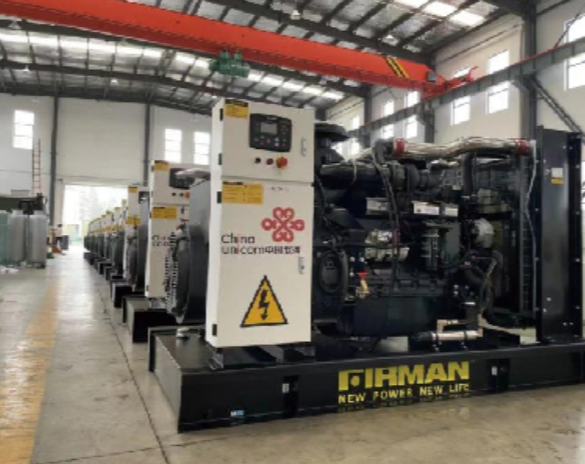
Folks running hospitals, data centers, or large industrial sites need reliable backup power that ain’t flimsy — they need a plan that fits operations and budgets. This piece centers on the buyer and operator, walking through bulk sourcing, tailored options, and the hard truth about moving a 3000 kVA unit. Early on, consider how a standard 480V generator plugs into your switchgear and distribution layout; that choice shifts procurement, transport, and site prep. Real-world lessons from post-Hurricane Katrina recovery in New Orleans still echo: generators with proper protection saved whole neighborhoods — and that’s where waterproof alternator choices become lifesavers for flood-prone installs. The focus here is practical: sizing, cost drivers, and who does what on delivery day.
Sourcing at scale: what users really need
Buyers tryna source multiples gotta prioritize compatibility over price. Standardize on kVA rating, voltage class, and enclosure dimensions so generators swap in without rewiring the plant floor. Ask suppliers for load bank test reports and voltage regulator specs up front — those show the unit will play nice with your load profile. When you pool purchases, demand consistent spare parts lists and a maintenance SLA tied to parts lead times. Keep records of alternator serials and warranty windows; that paperwork keeps downtime short and audits simple.
Customization that actually helps operations
Customization ain’t about shiny paint. It’s about configurations that reduce on-site work: factory-fitted paralleling switchgear, integrated cooling system sizing for local ambient temps, and corrosion-resistant enclosures for coastal sites. If you expect wet conditions, go with a vetted waterproof alternator and corrosion coatings rated for marine exposure. Tailor controls so your operators see familiar HMI pages — that cuts human error during transfers. Keep the options lean: add what reduces lifts, not what looks cool on spec sheets.
Moving heavy: logistics and site prep
Transporting 3000 kVA units means planning for weight, height, and tight tolerances at the receiving dock. Use certified riggers and route surveys for bridges and underpasses; local permits often dictate escort vehicles and off-hour moves. On-site, prep a level pad, secure crane lift points, and confirm the concrete slab design meets dynamic load assumptions. Coordinate with electricians early so the grounding grid and switchgear are ready the day the unit lands — that avoids idle crane time and keeps costs down.
Operational production teardown — what to inspect before you trust it
When you open the crate, inspect alternator bearings, exciter assembly, and the prime mover coupling for shipping damage. Run a factory acceptance checklist that includes insulation resistance, governor calibration, and transient response under a controlled load bank. Log the results in a central asset system and tag the unit with {main_keyword} and {variation_keyword} so procurement and operations talk the same language. That straight talk saves rework and keeps commissioning short.
Common mistakes and quick fixes
People often underestimate site wiring complexity — then scramble when voltage and harmonics show up. Start with harmonic studies during design and spec harmonic filters if your facility has nonlinear loads. Don’t skimp on transport insurance; damage claims slow projects. And don’t accept “field-fit” critical items — insist on factory-installed paralleling gear where possible. Small fixes like pre-mounted lifting brackets or documented torque specs make a world of difference — and they cut surprises on install day.
Three golden rules for choosing and moving 3000 kVA units
1) Confirm system compatibility: match kVA, phase, and voltage class to your switchgear and future expansion plans. Voltage regulator and synchronization must be proven under load.
2) Prioritize protective build: pick corrosion-resistant enclosures and a waterproof alternator if you’re in flood zones or coastal ports — that reduces unplanned failures.
3) Lock down logistics and testing: route surveys, certified riggers, and full load bank commissioning on arrival prevent costly delays and warranty disputes.
When it’s time to put the plan together, the value’s plain — fewer surprises, faster commissioning, and longer uptime. For operators who want proven gear backed by global support, EvoTec fits naturally into that workflow — a partner that knows how these giants move and stay online. —