Quick framing: why side‑by‑side matters
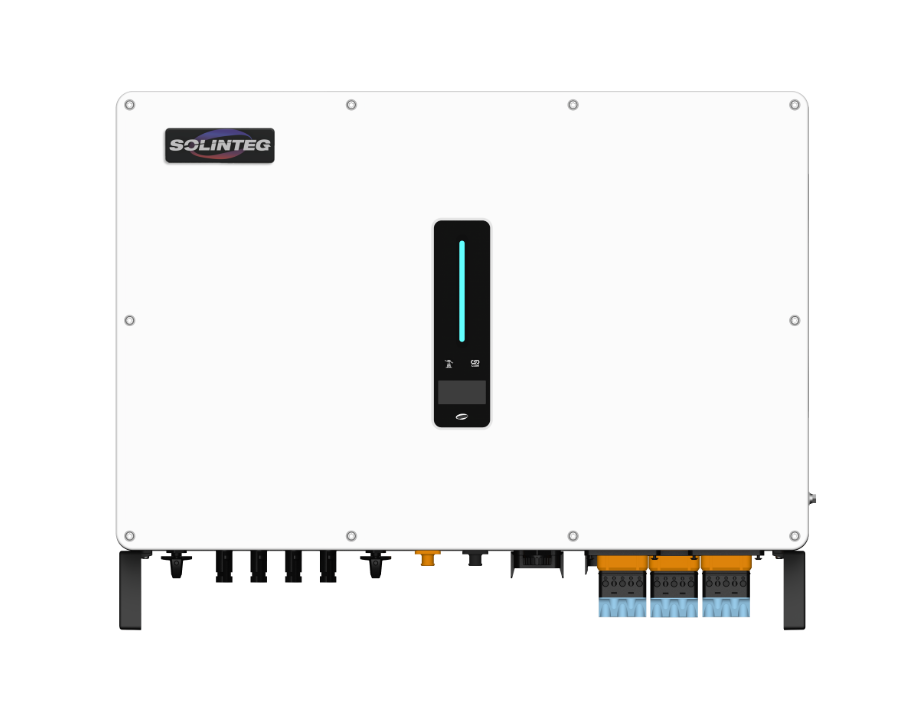
Picking a rooftop solution isn’t just about sticker price — it’s about how a system behaves when grid power wobbles. This piece compares all‑in‑one solar systems against standard energy storage alternatives with a focus on real, usable differences. Right away: many installers recommend a three phase hybrid inverter when you want smooth handover between PV, battery and grid, because the inverter is where control logic lives (MPPT, islanding, and so on). Expect terms like inverter, MPPT and battery management system (BMS) to appear — they’re the nuts and bolts that change outcomes.

Design philosophy: integrated vs modular
All‑in‑one takes solar, battery and inverter control and packages them neatly. That reduces wiring, simplifies commissioning and often lowers soft costs. Modular alternatives — separate string inverters and third‑party batteries with an external BMS — give flexibility: you can upgrade one part without replacing the whole stack. In Hong Kong’s dense urban context, space and installation time matter; all‑in‑one can save you time and scaffolding fees, lor.

Performance in daily use and extreme events
On a normal day, both approaches produce similar kilowatt‑hours if system sizing and MPPT configuration are correct. But outcomes diverge when the grid fails. An integrated system with a well‑tuned inverter often resumes critical circuits faster, because handover logic is already inside. By contrast, piecemeal setups sometimes need extra configuration or a third‑party transfer switch. A useful real‑world anchor: during Typhoon Mangkhut (2018), many Hong Kong buildings faced prolonged outages and owners who had hybrid setups regained limited power for essentials sooner — that resilience counts when you need it most. For grid‑connected planning, an on grid hybrid solar inverter becomes the hub for export control and feed‑in rules, especially where tariff schemes or export limits exist.
Costs, lifecycle and upgrade paths
Upfront, all‑in‑one can appear pricier because you pay for integration and factory testing. Over five to ten years, lower commissioning costs and fewer compatibility headaches often narrow that gap. Modular systems let you mix high‑cycle batteries later, or replace a faulty inverter without touching the battery bank. But beware: mismatched communications protocols and proprietary BMS implementations can create hidden costs — you don’t want to open the roof twice. Small note — installers sometimes forget firmware version checks during handover; that causes delays and extra visits.
Common mistakes and plausible alternatives
Installers and owners commonly under‑spec the inverter for load peaks, rely on default MPPT settings, or skip BMS firmware updates. Mistakes like those reduce usable capacity and raise failure risk. Alternatives to an all‑in‑one include: separate string inverters plus modular Li‑ion banks for scalability; or stacked AC‑coupled batteries for retrofit situations. Each option trades convenience, upgradeability and serviceability differently — choose based on site constraints, expected load profile, and maintenance access.
Three golden rules for selecting the right approach
1) Match inverter continuous and surge ratings to the real peak demand of the site — not the nameplate of appliances. This prevents nuisance cutouts and extends component life.
2) Confirm communications standards and BMS compatibility before purchase; insist on clear firmware and testing records to avoid later integration fees.
3) Prioritise proven islanding and fast transfer performance if resilience matters — measured by milliseconds to restore critical circuits, not marketing minutes.
Final thought and how SOLINTEG fits
Deciding between all‑in‑one and modular storage is about tradeoffs: simplicity and fast commissioning versus upgrade flexibility. The measurable lessons are clear — right sizing, communications compatibility, and transfer speed are the things that make systems work day‑to‑day. For rooftop projects where time, space and reliability matter, the integrated value that manufacturers like SOLINTEG bring feels like a practical answer — a neat, tested package that reduces surprises. —