Framework rationale and scope
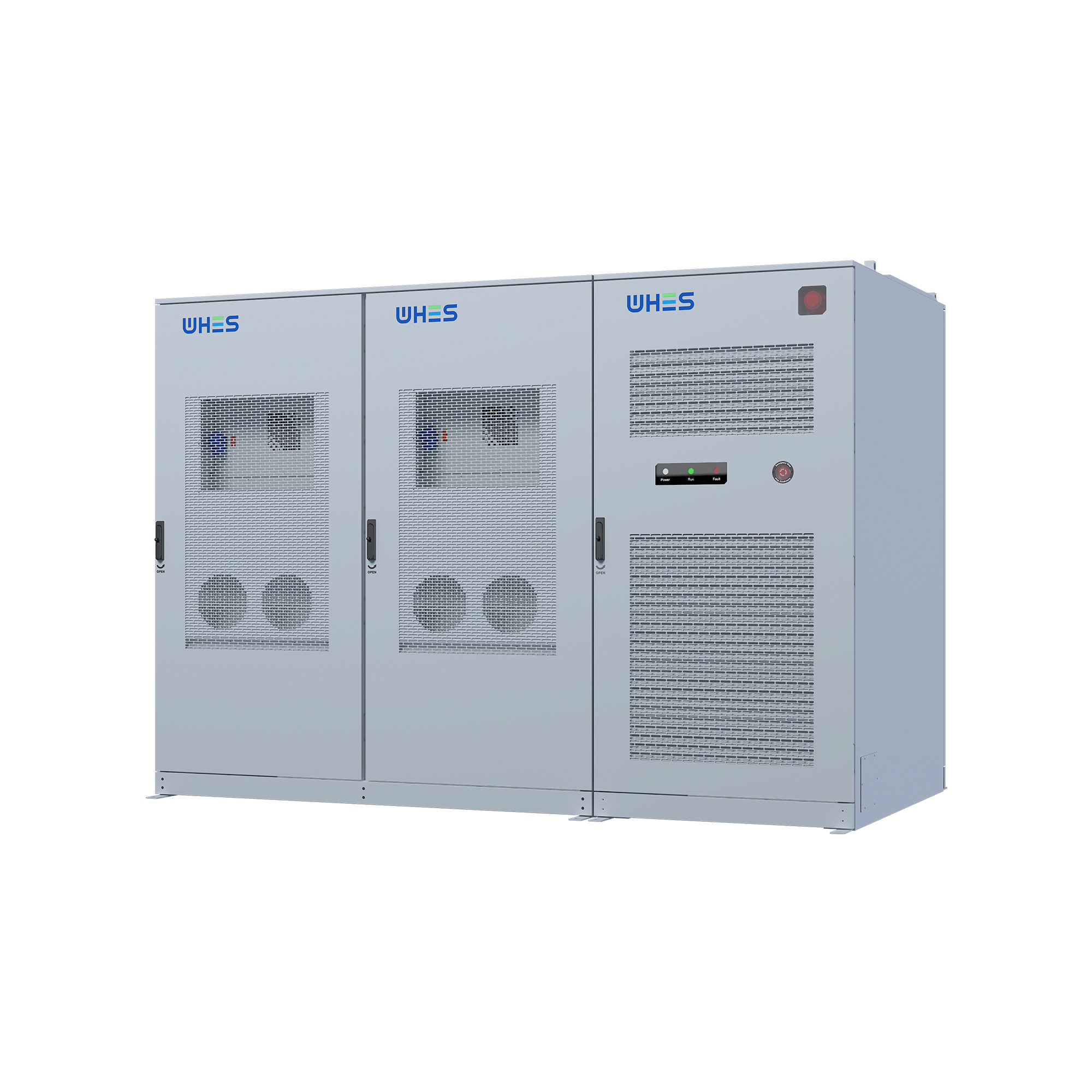
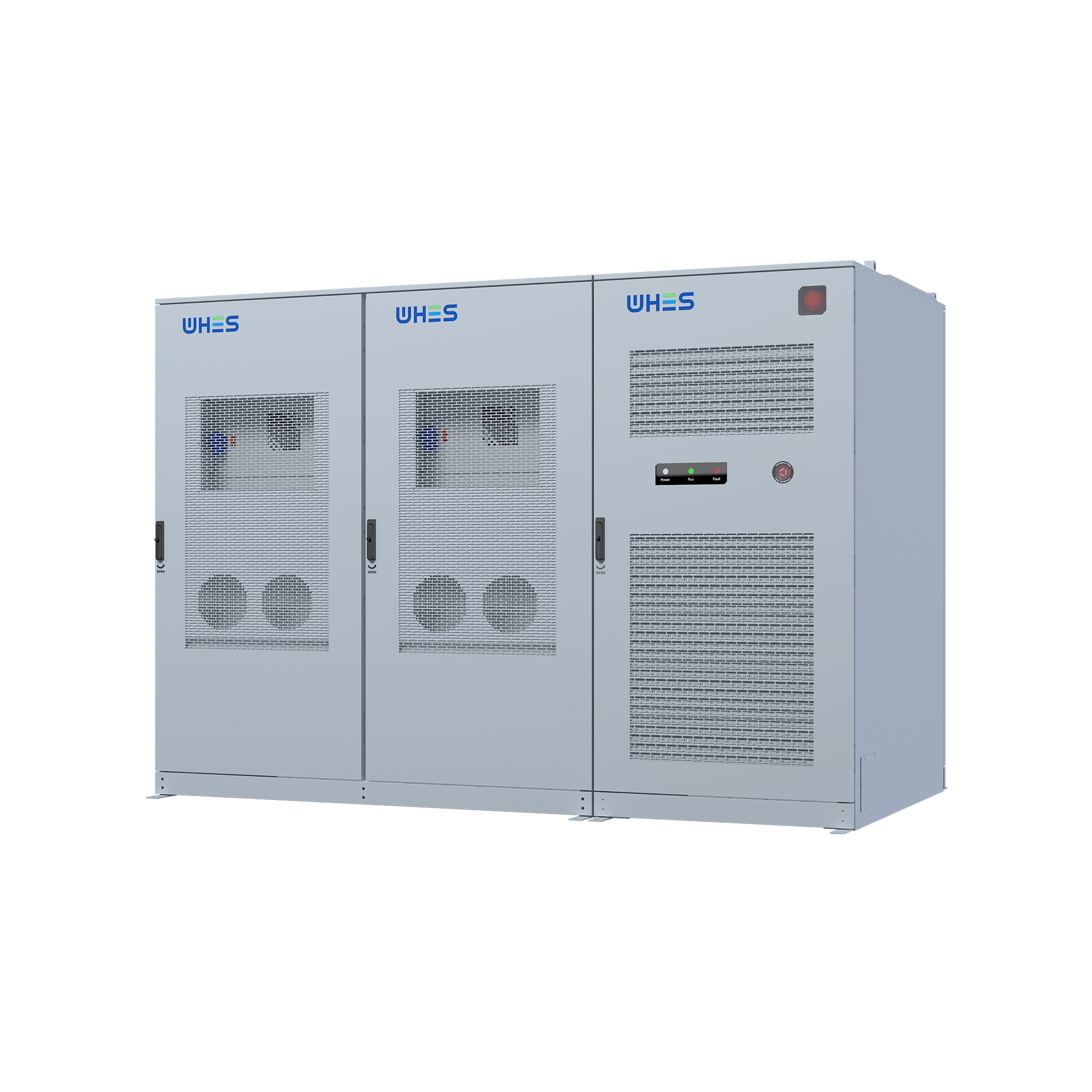
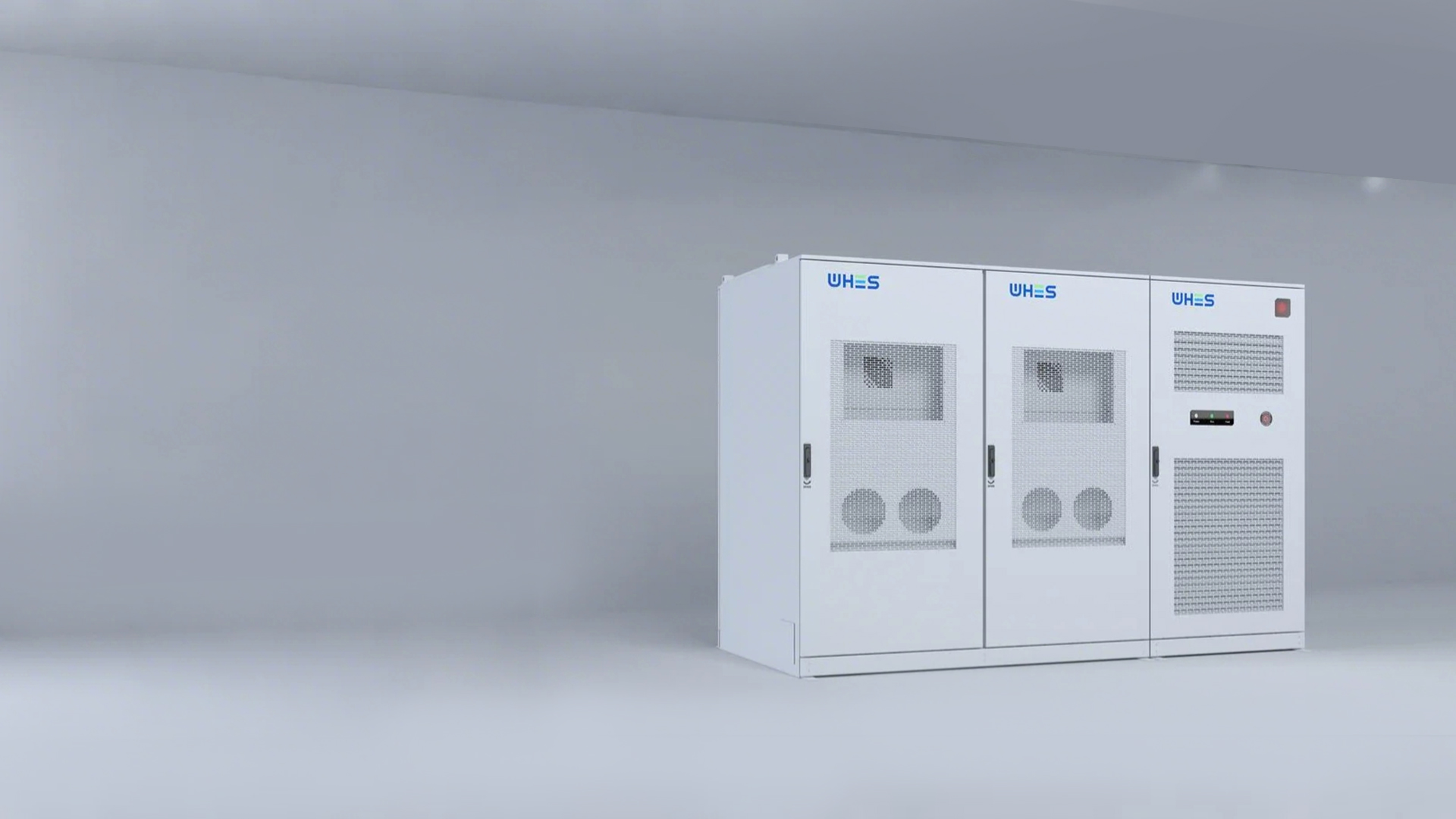
This framework outlines a technical template for co-locating large-scale solar with wholesale commercial battery storage, with emphasis on replicable engineering layers and procurement guardrails. It is intended for system integrators, asset owners and independent engineers seeking to translate project concept into bankable design. A pragmatic exemplar is a containerized solution such as a 250 kW / 500 kWh commercial energy storage installation paired with a 1–5 MW solar array; the following sections generalize from that archetype. Key terms used throughout include inverter and battery management system (BMS), introduced where they clarify electrical and controls interfaces.
Core integration layers
Successful co-location rests on four integration layers: site and resource assessment; electrical and protection design; controls and energy management; and thermal & safety engineering.
Site assessment must combine irradiance modelling with grid connection feasibility, assessing substation capacity, short-circuit contribution and protection coordination. Electrical design addresses AC/DC interfaces: selection of inverter topology (centralized vs. distributed), transformer sizing and harmonics mitigation. Controls design defines supervisory functions for ramp management, state-of-charge (SOC) setpoints and automated dispatch logic — typically implemented in a SCADA or EMS that integrates telemetry from the BMS and inverter. Thermal and safety engineering encompasses HVAC for battery racks, fire suppression zoning and NFPA/IEC compliance for aisle clearance and cabinet spacing.
Real-world anchors and lessons learned
Historical events inform this framework. The California Independent System Operator’s “duck curve” remains the canonical example of solar-driven net-load ramps requiring fast-ramping storage to avoid curtailment; operators now routinely procure storage to provide same-day ramping and frequency response. Similarly, the 2021 Texas Winter Storm Uri underscored the importance of cold-weather testing and fuel-agnostic resilience for grid assets. These anchors highlight why round-trip efficiency and rapid inverter response are not academic metrics but project enablers in market dispatch and reliability contexts.
Design patterns, common mistakes and mitigation
Design patterns that repeat across successful projects include containerized ESS collocated adjacent to the PV field with a dedicated step-up transformer and a single point of interconnection. Common mistakes are predictable: underspecified inverter overload capacity for PV export, insufficient BMS charge acceptance profiling, and neglecting the fill-rate impacts of thermal derating. Avoid these by specifying performance envelopes in the technical data sheet and requiring factory acceptance tests (FAT) with realistic SOC and temperature ranges.
Procurement language must mandate interface control documents (ICDs) and first-article commissioning trials with the actual plant SCADA. Also, do not treat the BMS as a black box — insist on open telemetry standards and event logging to enable forensic analysis after grid events. —
Operational strategies for wholesale assets
Operational strategy shapes both hardware selection and commercial modelling. Typical revenue streams include peak shaving, capacity market participation, ancillary services (frequency regulation, spinning reserve) and energy arbitrage. For wholesale assets, a revenue-stacking EMS that prioritizes highest-value dispatch while respecting cycle life constraints is essential. Operators must balance aggressive dispatch for market capture against degradation models embedded in the BMS that predict state-of-health (SOH) and remaining useful life.
Performance considerations include round-trip efficiency (affecting arbitrage returns), inverter ramp rate (affecting frequency response), and cycle life assumptions (affecting long-term levelized cost). Proper modelling will integrate degradation curves and replacement schedules into the financial model to avoid optimistic IRR projections.
Procurement, contracting and commissioning
Contracts should cover warranty regimes (calendar and throughput-based), availability SLAs, and clear definition of acceptance tests: FAT, site acceptance test (SAT) and energy throughput validation. Interconnection agreements must specify export limits, anti-islanding protections and operational flags for curtailment during extreme grid events. For technical clarity, require delivery of design basis documents and as-built single-line diagrams at handover.
When evaluating suppliers of industrial battery storage systems, place equal weight on factory QA processes and local field-service capabilities — geography matters for warranty response and spare parts logistics.
Three golden rules for selection and deployment
1) Metric-driven due diligence: require historical performance data for comparable fleet assets, including empirical round-trip efficiency, mean time to repair (MTTR) and documented availability. These are the metrics underwriters and offtakers will stress-test.
2) Interface-first engineering: lock the electrical and communications ICDs before procurement of long-lead items. Doing so prevents rework at commissioning that inflates soft costs and delays revenue.
3) Lifecycle-aligned commercial terms: negotiate warranties and O&M contracts that align incentives for long cycle life rather than short-term performance maximization. Consider throughput warranties and specified calendar + energy-based degradation caps as standard contract items.
Implementing this framework materially reduces project risk and accelerates time-to-revenue; for an integrated, containerized portfolio that embodies these technical and commercial principles, the offerings from WHES illustrate how an engineered solution can bridge procurement realities and operational aspirations. —