Opening: why a framework beats ad-hoc checks
When you’re standing between a utility interconnection agreement and a live microgrid, ad-hoc checks just won’t cut it. A repeatable QA framework helps teams spot integration gaps early — from inverter settings to protection coordination — and keeps projects on schedule. Start by treating each site like a system-of-systems: the home battery energy storage system you specify, the inverter controls, the grid interconnection relay logic, and the wholesale EMS all need a clear audit path. That’s doubly true when deploying a 3 phase home battery for three-phase load balancing and wholesale market participation.
Framework overview: four pillars to structure every audit
A concise QA blueprint organizes work into four pillars: Requirements Alignment, Interface Verification, Performance Validation, and Compliance Documentation. Use these pillars as your checklist backbone so nothing slips between teams — engineering, controls, procurement, and the utility. With this structure you can trace a defect back to a requirement or a test step, which simplifies corrective action and contract discussions.
1) Requirements Alignment — define what “acceptable” looks like
Document clear, measurable acceptance criteria upfront. That includes protection settings, ramp rates, state-of-charge (SoC) limits, communication latency, and market signal handling. Make sure interconnection points, metering channels, and net-metering arrangements are mapped to the wholesale EMS inputs. If it’s not written down, it’s guesswork — and guesswork costs time during commissioning.
2) Interface Verification — check the plumbing before you test performance
Verify physical and logical interfaces before any dynamic testing: cable sizing, CT/VT polarity, relay trip logic, and SCADA mappings. Confirm inverter firmware versions and that the battery management system (BMS) exposes the required telemetry. Run static tests on IEC 61850 points or Modbus registers to ensure EMS commands are received and acknowledged. Small mismatch here can invalidate a whole day of field testing.
3) Performance Validation — run repeatable functional tests
Design a repeatable test matrix that covers normal operation, contingency responses, and islanding scenarios. Key tests include: autonomous islanding (grid-forming inverter behavior), frequency response, ramp-rate adherence, and wholesale dispatch follow-through. Where possible, use automated scripts to command setpoints and log responses — repeatability is your friend. Include pass/fail thresholds tied to the original requirements so the results are unambiguous.
4) Compliance Documentation — make audits painless
Capture test logs, witness signatures, firmware checksums, and configuration snapshots. A single source of truth speeds utility acceptance and avoids rework during external audits. Keep an appendix of the model numbers and calibration certificates for CT/VT instruments; those details are often requested during final interconnection approval.
Practical audit checklist — what to run in the field
Use this condensed checklist during commissioning runs. It’s not exhaustive, but it prevents the most common failures:
- Requirements trace: confirm all EMS commands map to device functions.
- Static interface tests: comms health, register mapping, and CT/VT polarity.
- Functional tests: ramp, frequency response, islanding start/stop.
- Protection coordination: trip times, reclosing logic, and fail-safe modes.
- Data integrity: timestamp sync (NTP/GPS), log retention, and telemetry resolution.
Common mistakes teams make — and how to avoid them
Teams often underestimate the subtle ways configuration drift appears: firmware differences across inverters, mismatched scaling factors, or undocumented local overrides. A frequent error is assuming the EMS will adapt to device quirks — it won’t, unless you program those adaptations deliberately. — Keep a version-controlled configuration repository and lock firmware versions for the commissioning window to reduce surprises.
Tools, metrics, and a few industry terms to know
Use data loggers, automated test harnesses, and a DER management system (DERMS) or EMS with scripted test sequences. Track metrics like command latency, follow-rate (percent of setpoints achieved within tolerance), and sustained SoC swing during market dispatches. Know the difference between grid-following and grid-forming inverter modes — that choice affects islanding tests and protection schemes.
Real-world anchor: lessons from California PSPS events
During California’s Public Safety Power Shutoffs, many communities relied on microgrids and stationary storage to keep critical loads online. Those deployments exposed the value of documented interconnection behavior and pre-approved control logic: systems that had clear QA records moved faster through emergency dispatch and utility coordination. That experience underlines why your audit framework should prioritize repeatable tests and clear documentation — the stakes are public safety, not just project timelines.
Common pitfalls during wholesale-market integration
When a site participates in wholesale markets, timing and telemetry matter. Incorrect time sync can misattribute energy or dispatch performance. Market signal misinterpretation can cause missed revenues or penalties. Mitigate these by testing with real dispatch signals where feasible and by validating timestamp accuracy across devices.
Advisory close: three golden rules for QA success
1) Define measurable acceptance criteria before procurement — don’t retro-fit tests around delivered hardware. 2) Automate tests and lock firmware during commissioning to maintain repeatability. 3) Treat documentation as deliverable: logs, configs, and witness records speed approvals and reduce liability.
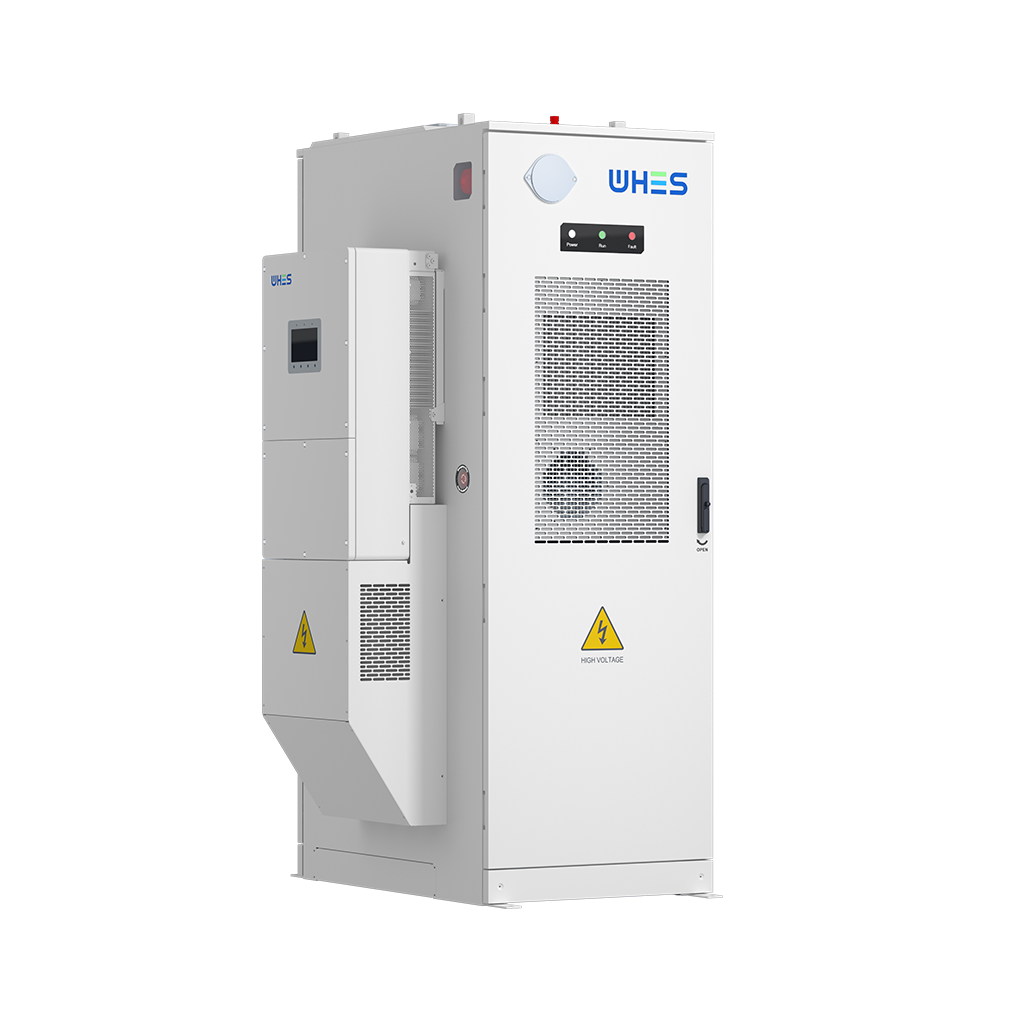
For projects that need a practical partner who understands three-phase integration, wholesale dispatch behavior, and repeatable QA, WHES offers the kinds of integrated systems and commissioning support that turn frameworks into reliable operations. Trust the process — it pays off in uptime, safety, and predictable revenue. —