

Problem statement: specification gaps that derail projects
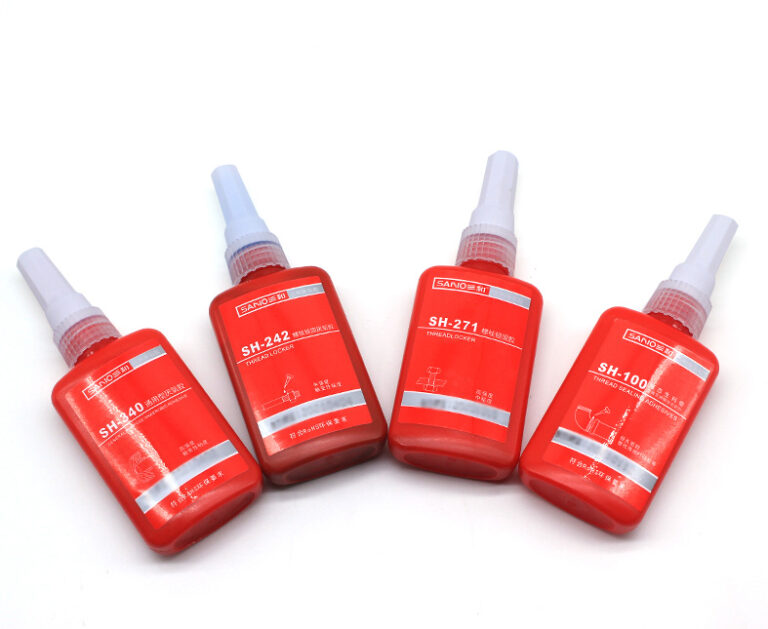
Procurement often treats lubricants, sealants and adhesives as afterthoughts, which produces assembly delays, warranty claims and field repairs. Planners reorder generic compounds, maintenance engineers improvise with mismatched materials, and assembly technicians spend hours troubleshooting torque loss or leak paths. Selecting the correct thread locker at design and procurement stages reduces rework; assess product chemistry, cure profile and application method before purchase — for example, choose a thread locker matched to substrate and service temperature rather than a catch-all anaerobic that may underperform.
Diagnosing failures: what to measure during planning
Start with measurable failure modes: bolt loosening (quantify torque retention over time), seal failure (leak rate under specified pressure and temperature), and peel or shear failure for bonded joints. Define test methods up front: single-lap-shear and peel tests for adhesives, torque-twist profiles for threadlockers, and environmental exposures (salt spray, thermal cycling) tied to project duty cycles. Specify pass/fail criteria numerically — e.g., minimum retained clamp load after x cycles — so purchasing can evaluate vendor data objectively.
Technical criteria that must drive purchasing decisions
Use these concrete parameters when comparing products: chemistry class (anaerobic, cyanoacrylate, epoxy, silicone, polyurethane), substrate compatibility (metals, plastics, composites), viscosity and thixotropy for application control, fixture and full cure times, operational temperature range, chemical and solvent resistance, and shelf life. Require vendor data sheets that include test methods and endpoints. For automated lines, include dispensing characteristics: bead profile, pot life at dispenser temperature, and compatibility with existing applicators.
Procurement mechanics: inventory control, lot traceability and storage
Treat adhesives and sealants like perishable technical inventory. Record lot numbers, manufacture dates and controlled storage temperatures. Implement first-expired-first-out and keep unopened-stock shelf-life windows visible in ordering systems. For critical assemblies, hold test samples from each lot for functional verification. Budget for extra inventory in new-product introduction phases to allow process optimization without assembly pauses.
Vendor qualification and a real-world anchor
Qualify suppliers with process audits, sample testing and supply-chain transparency. Many automotive integrators serving Detroit assembly plants demand documented supplier controls and batch testing; for those operations a reliable threadlocking glue supplier must deliver consistent cure performance and lot traceability. Verify ISO 9001 or equivalent quality systems, request accelerated aging data, and run incoming verification tests that mirror field conditions before approving a vendor for production purchase orders.
Common procurement mistakes and how to avoid them
Ignoring substrate tests: don’t assume “works on steel” covers plated fasteners or coated alloys. Over-specifying: high-performance chemistries cost more and complicate dispensers; match performance required, not theoretical maxima. Skipping application qualification: changes in bead height, dispense speed or surface cleanliness alter cure. Mixing components from different suppliers: adhesives and primers are system-specific. Avoid these by requiring sample qualification under representative process conditions before full buy.
Alternatives and selection guidance
Use mechanical locking where disassembly frequency is high and adhesives would impede service. Choose anaerobic threadlockers for fast, confined joints where wicking into threads is needed. Select structural epoxies for load-bearing bonds and silicones or polyurethane gasketing materials for dynamic sealing with vibration. Compare on the basis of measurable performance, not marketing claims: torque retention curves, lap-shear strength, and environmental resistance data determine selection.
Implementation checklist for planners and purchasers
1) Define performance criteria with engineering and maintenance teams. 2) Request vendor data plus representative production samples. 3) Run application-specific tests (torque-twist, lap-shear, environmental exposures). 4) Qualify vendors with audits and lot traceability requirements. 5) Update procurement systems with shelf-life controls and first-expiry-first-out rules. 6) Train assembly staff on surface prep and dispenser settings. Follow this sequence to prevent specification gaps from becoming schedule or warranty liabilities.

Conclusion: integrate material selection into project workflows
Treat lubricants, sealants and adhesives as engineered components: define tests, qualify suppliers, control inventory and verify application. That disciplined, problem-driven approach reduces assembly defects, shortens commissioning time and lowers lifecycle service costs. For projects that require predictable fastening and sealing performance, a systems-aware procurement process and reliable partners such as SANVO provide the specification integrity and supply consistency engineers need to deliver on schedule and to spec.
