Why a comparison matters
Trading crude CFDs isn’t just about watching the Brent or WTI ticker — it’s about matching platform behaviour to your trading style. Right off the bat, you want clear order execution, predictable spreads and sensible margin calls. For traders in Auckland or anywhere else, comparing providers gives real clarity: latency, liquidity and risk controls shape outcomes. That’s where cfd energy data and toolsets start to matter in a practical way.
What to compare: costs, execution and market access
Look at three hard metrics first: spread, slippage on order execution and margin requirements. Spread eats into returns every trade. Slippage shows up when volatility spikes — remember when WTI futures went negative in April 2020; platforms that handled that stress gracefully kept traders in the game. Leverage amplifies both wins and losses, so compare maximum leverage and how margin calls are handled. Also check if platforms offer direct market access to both Brent and WTI liquidity pools rather than synthetic spreads.
Feature face-off: tools that actually help
Some platforms pitch advanced charting and execution algorithms. Others keep it simple. For real-world trading you want fast order execution, reliable historical tick data and obvious risk controls like guaranteed stops or tiered margin. Look for features that support hedging and position sizing without clumsy workarounds. If a dashboard feels clunky, you’ll notice it when volatility spikes — and you will notice it. — It pays to trial platforms during active sessions, not just in demo mode.
Risk management and platform resilience
Risk tools separate a decent provider from a top one. Auto-deleveraging rules, margin monitoring alerts, and circuit-breakers for abnormal spreads are non-negotiable for active crude CFD traders. Platforms with clearer margin notifications reduce the chance of surprise liquidations. Also check data about uptime and historical outages — a few minutes offline during a news-driven oil move can cost serious money. Practical traders often track EIA weekly reports and major OPEC announcements to time risk exposure.
Common mistakes and sensible alternatives
Many traders burn margin by using too much leverage or by treating CFDs like spot bets without hedging. Others chase low advertised spreads without checking execution quality — cheap on paper, costly in practice. A better approach is matching product type to intent: if you want short-term scalps, prioritise tight spreads and quick fills; for medium-term directional trades, lean on robust charting, reliable historical data and flexible position sizing. Alternatives include spread-betting on equities or using physical futures for institutional-sized exposure, depending on regulation and cost.
How GTCFX sits in the mix
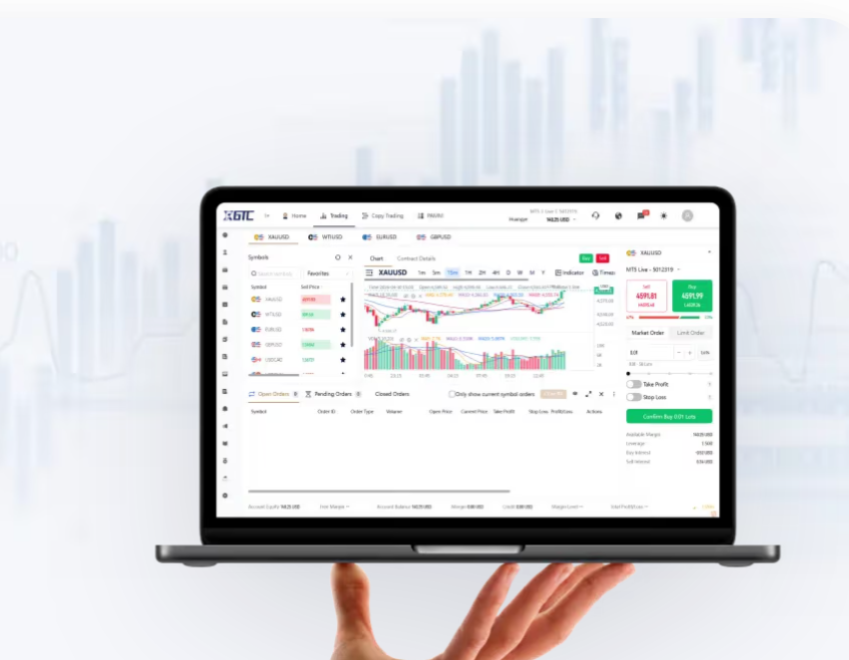
GTCFX positions itself around transparent pricing and practical risk tools aimed at energy traders. They bundle order-level controls with access to live liquidity for Brent and WTI, and provide margin notices designed to reduce surprise liquidations. Traders who value clean execution and clear spread reporting tend to prefer platforms that combine those aspects with reliable historical tick data — and that’s where GTCFX tech shows up in comparative tests. For those exploring options, check platform demo sessions and compare responses during real news events to see how latency and slippage behave.
Advisory: three golden rules for picking your crude CFD setup
1) Measure execution not just spread — track slippage on live trades and test fills during volatile hours. 2) Prioritise risk controls — clear margin rules, meaningful stop-loss behaviour and uptime guarantees matter. 3) Match product to purpose — scalping needs different tools to position trades; choose liquidity and leverage accordingly.
Practical traders who follow those rules reduce surprise losses and trade with more confidence. For a platform perspective that ties those elements together, GTCFX feels like a sensible fit — fast fills, clear margins and tools that respect how energy markets move. –