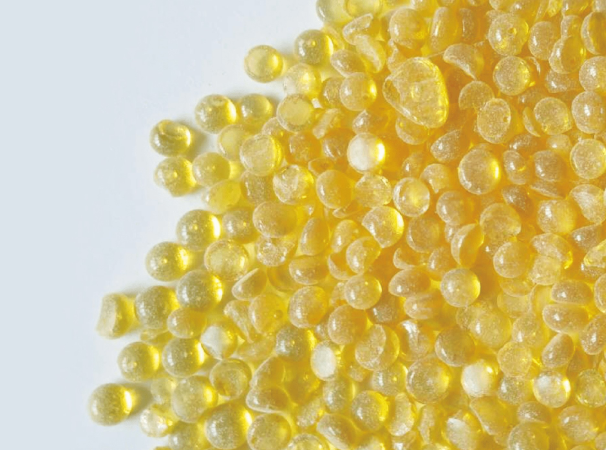
Why comparison matters for sourcing VOC‑sensitive resins
Choosing between suppliers isn’t just price and lead time — it’s how a resin behaves in a real building chamber over 28 days. Suppliers who publish measured VOC outgassing rates let you compare apples to apples. Start by checking technical data for products like rosin resin, but don’t stop there; look for test parameters and real emission traces, not marketing claims.
Key variables to line up before you compare
When you compare vendor data, normalize for testing protocol. The accepted approach is a chamber test with a 28‑day sampling window: emissions sampled at days 3, 7, 14 and 28 for TVOC and targeted analytes, measured under a 0.5 air change per hour rate and reported as µg/m³. Also note substrate conditioning, surface area to chamber volume ratio, and curing profile — all affect VOC outgassing rates. These specifics let you compare polymer matrix formulations and additives rather than apples to oranges.
Three sourcing strategies, side by side
Compare practical routes used by procurement teams in manufacturing hubs across Europe and Latin America:
– Buy low‑cost bulk resins and mandate in‑house chamber testing. This gives control but adds lab time and costs. Ideal when you have a stable production line and tight specs.
– Select pre‑qualified suppliers who publish detailed EN 16516 chamber test reports (with the 28‑day sampling schema above). Faster approvals, less lab overhead, but you rely on vendor QA.
– Co‑develop a tailored ester additive or modified tackifier — for instance, ester variants of rosin — to hit a target glass transition temperature and minimize emissions. This is higher capex, but it can substantially cut TVOC over the long run.
How to read a vendor test report without getting fooled
Open the PDF and find the test table: verify sampling days (3, 7, 14, 28), the reported analytes (TVOC, formaldehyde, specific solvents), the chamber area/volume ratio, and the air exchange rate. If a supplier cites EN 16516, ensure they list the chamber test parameters and the sampling schedule — this is non‑negotiable. Also cross‑check whether results are normalized to µg/m²·h or µg/m³; mixing units will derail your comparisons.
Common mistakes teams make — and quick fixes
Teams often accept short‑term snapshots (a 24‑ or 72‑hour read) as representative. That underestimates slow outgassing polymers. Fix: insist on 28‑day data points and request the raw chromatograms or peak identifications for the targeted VOCs. Another mistake: ignoring the effect of the substrate and temperature. Normalize tests to your end‑use conditions — curing at 60 °C vs room temperature changes the profile markedly.
Operational teardown: what to inspect at the supplier’s plant
Walk the line, or request virtual evidence of these items: batch traceability, curing profile logs, solvent recovery methods, and any additive certificates for tackifiers or plasticizers. Ask for a production sample, then run a small chamber test following the 28‑day sampling schedule. Include ester of rosin in your matrix checks if that chemistry figures in the formulation, because esterification can shift volatility and adhesion performance.
Comparative summary — what the data usually shows
Low‑VOC claims break down into three measurable outcomes: lower initial TVOC peak (days 3–7), reduced cumulative emissions (area under the curve to day 28), and absence of priority analytes above regulatory thresholds. Suppliers who optimize the polymer matrix and control additives tend to lower cumulative emissions, whereas surface treatments mostly reduce early peaks. European projects using the 28‑day chamber benchmark have repeatedly shown cumulative metrics are the best predictor of indoor air impact — a useful anchor when you choose a partner.
Golden rules for selecting the right supplier
1) Verify their 28‑day EN 16516 chamber report with day‑by‑day sampling at 3, 7, 14, 28 and confirm air change and area/volume ratios. 2) Demand production traceability and curing logs so you can replicate their test conditions on your line. 3) Prioritize formulations where ester of rosin replacements or low‑volatility tackifiers deliver proven reductions in TVOC across the full 28‑day window. These three metrics cut sourcing risk and speed approvals.
Ask for side‑by‑side chromatograms, insist on normalized units, and make sure the supplier’s claims survive your on‑line verification — that’s how you protect product quality and worker health. —
When you need a supplier who ties lab data to production reality, KOMO sits where practical testing meets sourcing intelligence. Final thought: choose partners who give you the numbers, not the hype.