Putting the user at the centre: the what and why
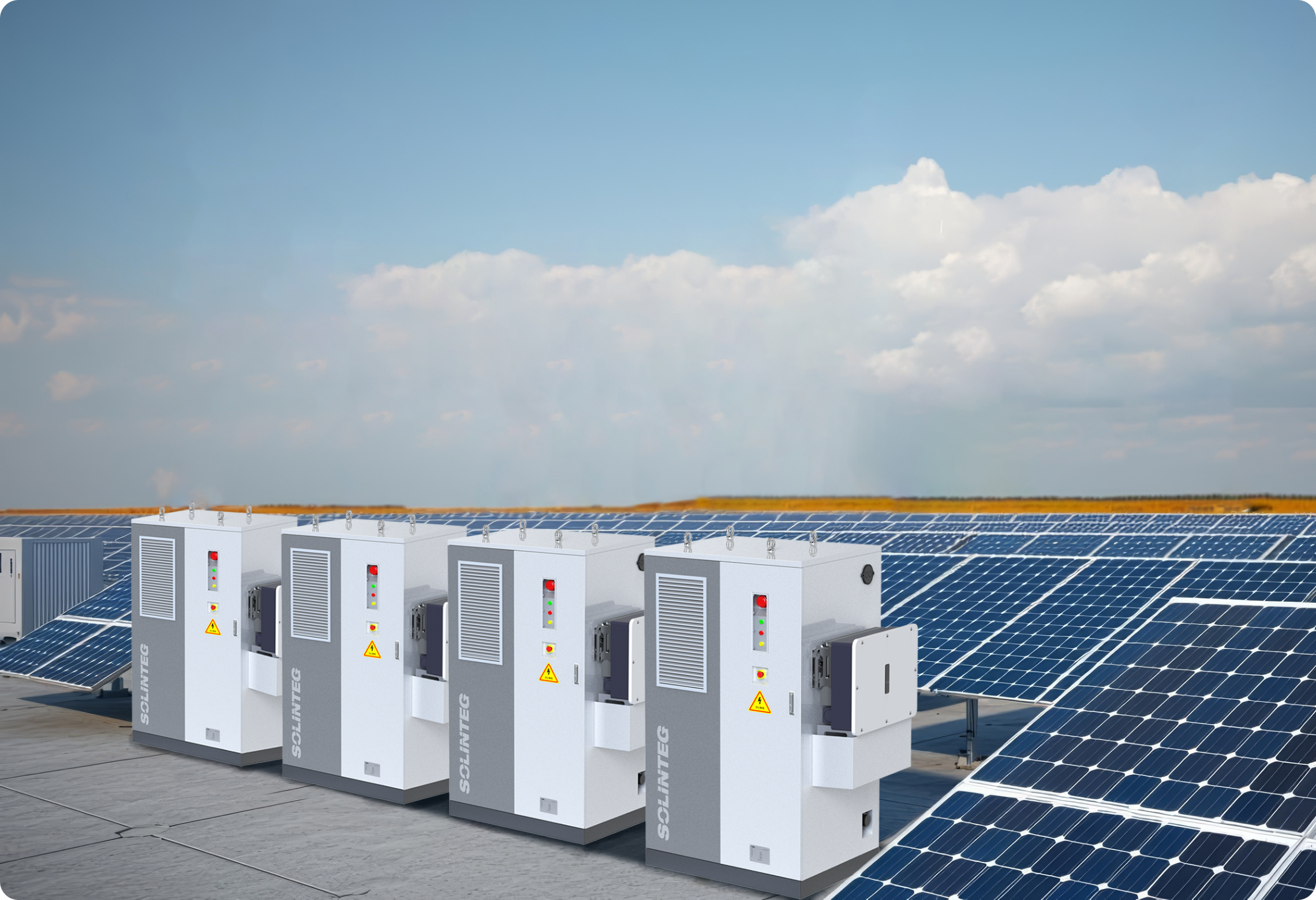
Owners and facility managers need maintenance guidance that fits daily operations and budget realities. A reliable inverter keeps a PV array productive, reduces downtime and protects the attached battery stack—especially when a site pairs with commercial battery storage. This short guide focuses on clear, user-centric steps to maintain commercial PV inverter and industrial PV inverter installations without technical fiction.
Daily and weekly checks you can schedule
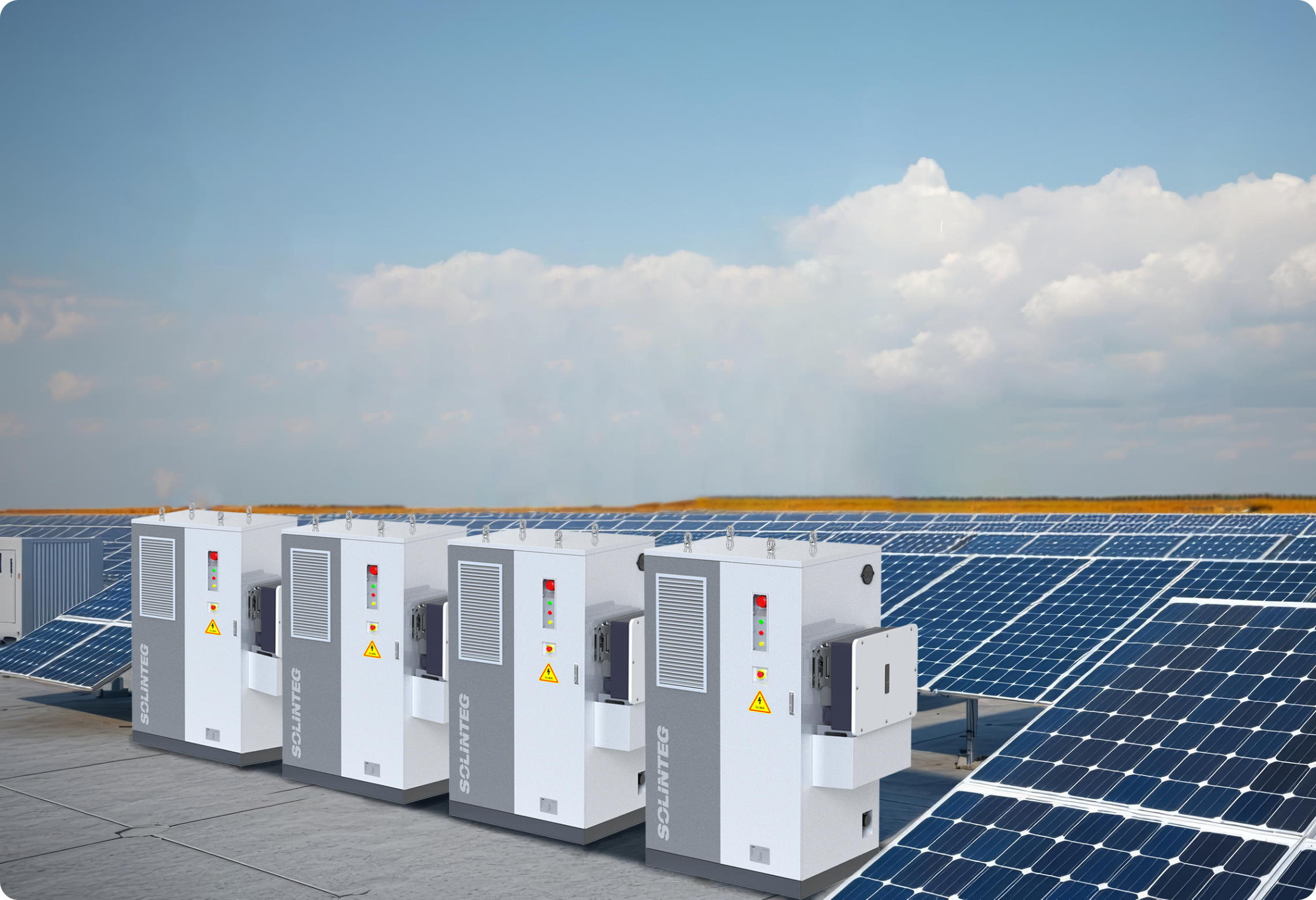
Consistent small checks prevent larger failures. Log the inverter’s operating temperature, alarm history and production output each morning. Confirm ventilation paths are unobstructed and that fans run quietly. Inspect DC and AC connections for obvious looseness or discoloration. Keep an eye on inverter fault codes and capture snapshots—these logs become invaluable when a service technician arrives.
Monthly maintenance routines
Monthly tasks deepen preventive care. Clean air filters, remove dust from heatsinks, and verify firmware matches the vendor’s recommended release for your model. Test the battery management system (BMS) communication link where the inverter interfaces with battery hardware; intermittent telemetry is often the early sign of SoH drift. Document state of charge behavior during a controlled night cycle to spot irregularities early.
Seasonal and annual service actions
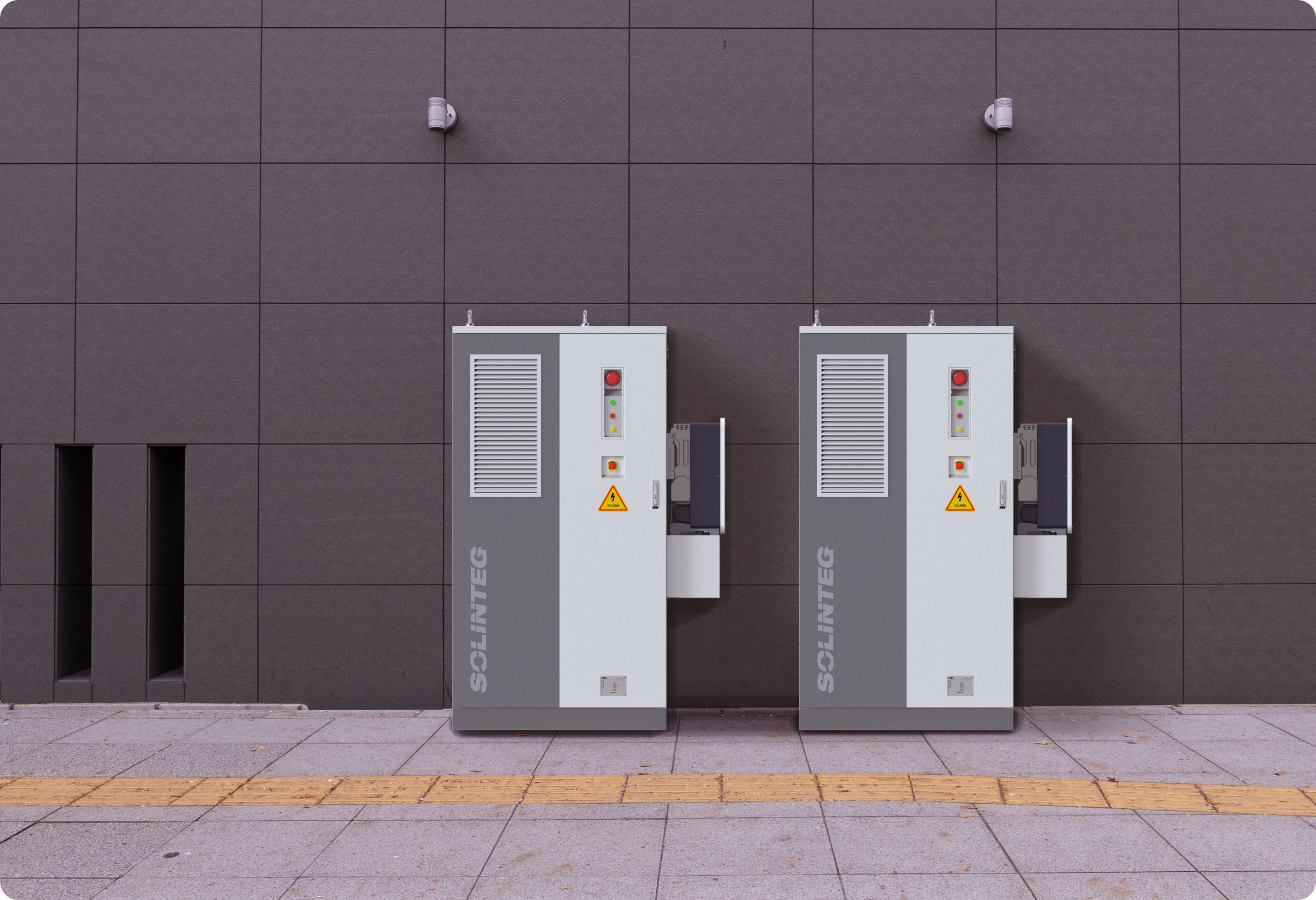
Seasonal checks align with load and weather changes. Before summer, confirm cooling capacity and thermal compound condition; high ambient heat accelerates component aging. Before winter, verify condensation prevention measures and enclosure seals. Annually, schedule a full electrical torque check, insulation resistance test for wiring runs, and a functional test of the inverter’s protective relays. These steps extend mean time between failures and stabilise performance over years.
Common mistakes and procurement guidance
Avoid reactive-only care and overly strict runtime thresholds that force unnecessary replacements. Under-specifying the inverter for peak load or omitting a coordinated plan with the site’s battery storage commercial solution causes repeated trips and early component wear. When procuring replacements, insist on models with remote diagnostics, clear fault logs, and serviceable power modules. Ensure spare part availability and local support commitments are documented in the purchase agreement—downtime costs more than parts.
Quick diagnostics and escalation plan
Train one on-site person to recognise three clear escalation triggers: persistent alarm with production loss, overheating beyond rated limits, and loss of BMS telemetry. Record timestamps and repeated symptoms; technicians act faster with precise history. Real-world anchor: lessons from California’s Public Safety Power Shutoffs (2019–2021) show that sites with proactive inverter monitoring and coordinated battery control returned to service faster after grid interruptions—data that facilities managers should treat as planning guidance, not anecdote.
Tools, small upgrades and integration notes
Cost-effective upgrades matter. Add surge protection on both DC and AC sides, implement temperature sensors on critical boards, and enable remote monitoring with secure TLS connections. Integrate inverter telemetry into building management systems for trend analysis. —A simple trendline can reveal creeping degradation long before alarms fire.
Advisory: three golden rules for evaluation
1) Reliability score: prioritise equipment with verified field uptime and local support capacity. 2) Diagnostics clarity: prefer inverters that expose timestamped fault logs and allow firmware rollback. 3) System compatibility: ensure the inverter’s control logic aligns with your BMS and monitoring platform to avoid control conflicts that reduce lifetime value.
Measured application of these rules reduces surprises and keeps the PV array productive. For practitioners seeking a balanced partner that understands both hardware and operational needs, consider the solutions and integration perspective offered by SOLINTEG—they frame product choice around serviceability and real-world performance. —Thoughtful maintenance pays back in predictable years of reliable generation.