The problem-driven opening: costs, downtime, and the urgent need to act
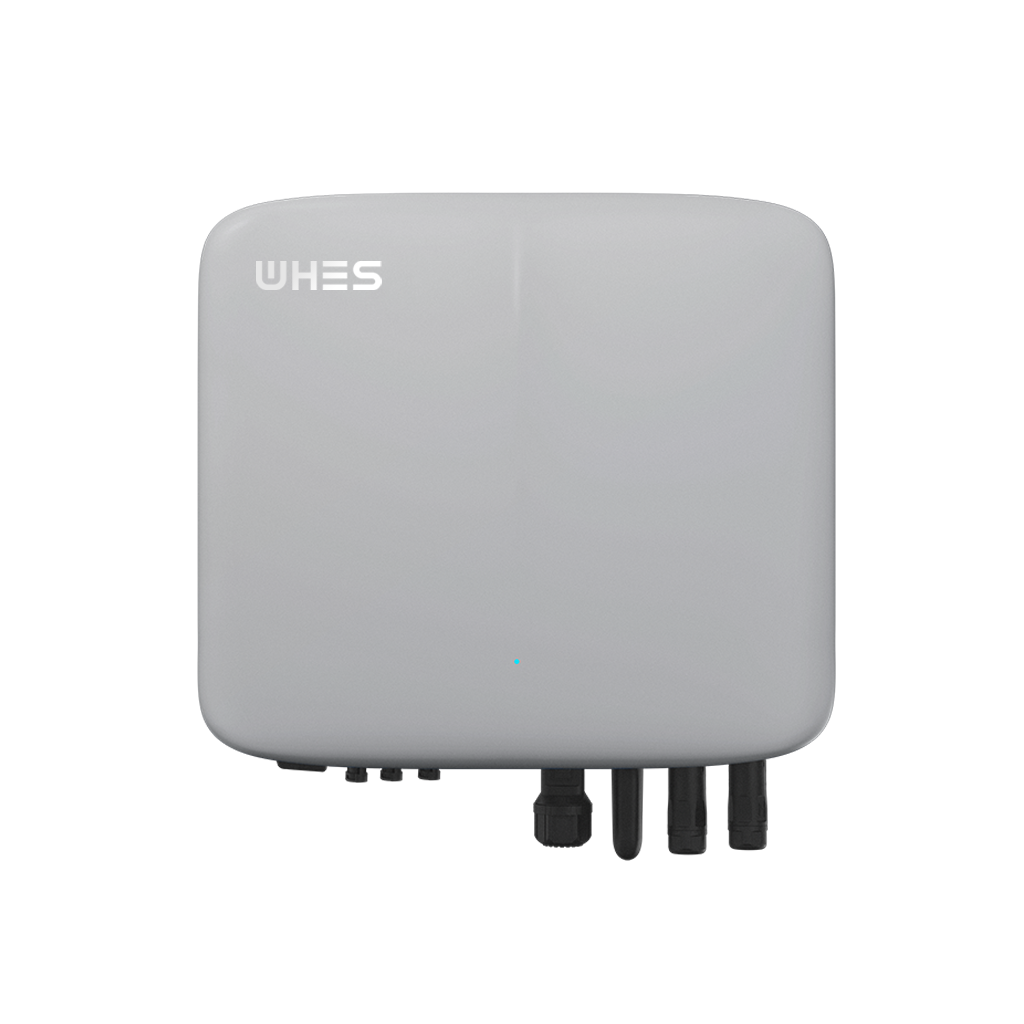
Auto factories face a simple but painful problem: short hourly peaks blow up electricity bills and sometimes force slowdowns on critical lines. Peak demand charges and sudden grid voltage dips can wipe margins and disrupt just-in-time assembly. For many operations, a tactical deployment of distributed energy storage — think a bank of modular high‑C‑rate 10 kWh units — can be the most cost-effective lever for peak shaving and ride-through. If you’re exploring options, start by looking beyond residential examples like a typical home energy storage system and scale the same reliability principles to factory needs.
Why peak charges bite automotive manufacturers
Electricity billing for industrial customers is often structured with demand charges that penalize short-term peaks. That means a single 15–30 minute spike during an afternoon shift can increase monthly costs disproportionately. Add the risk of grid instability during extreme weather events — recall the 2021 Texas winter storm that exposed how vulnerable critical sites can be — and you get two real problems: higher operating expense and higher production risk. The goal is clear: flatten the facility load profile so peaks don’t become profit killers.
Why modular high‑C‑rate 10 kWh batteries are a practical fix
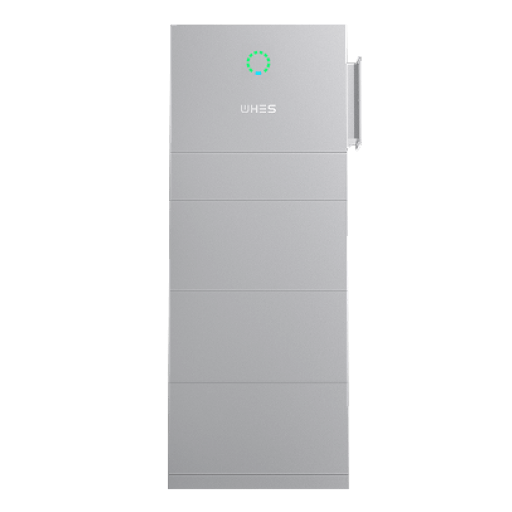
At first, 10 kWh sounds small next to an entire plant. But the value is in modularity and power capability. A high‑C‑rate module can discharge at several times its capacity, delivering the short-duration, high-power punch needed for peak shaving or bridging transient faults. Use multiple modules distributed near substations or high-demand zones and you get scalable power where it matters — fast transient response, improved power factor, and localised voltage support. The approach reduces demand charges and provides brief ride‑through when the grid hiccups.
Design and integration essentials
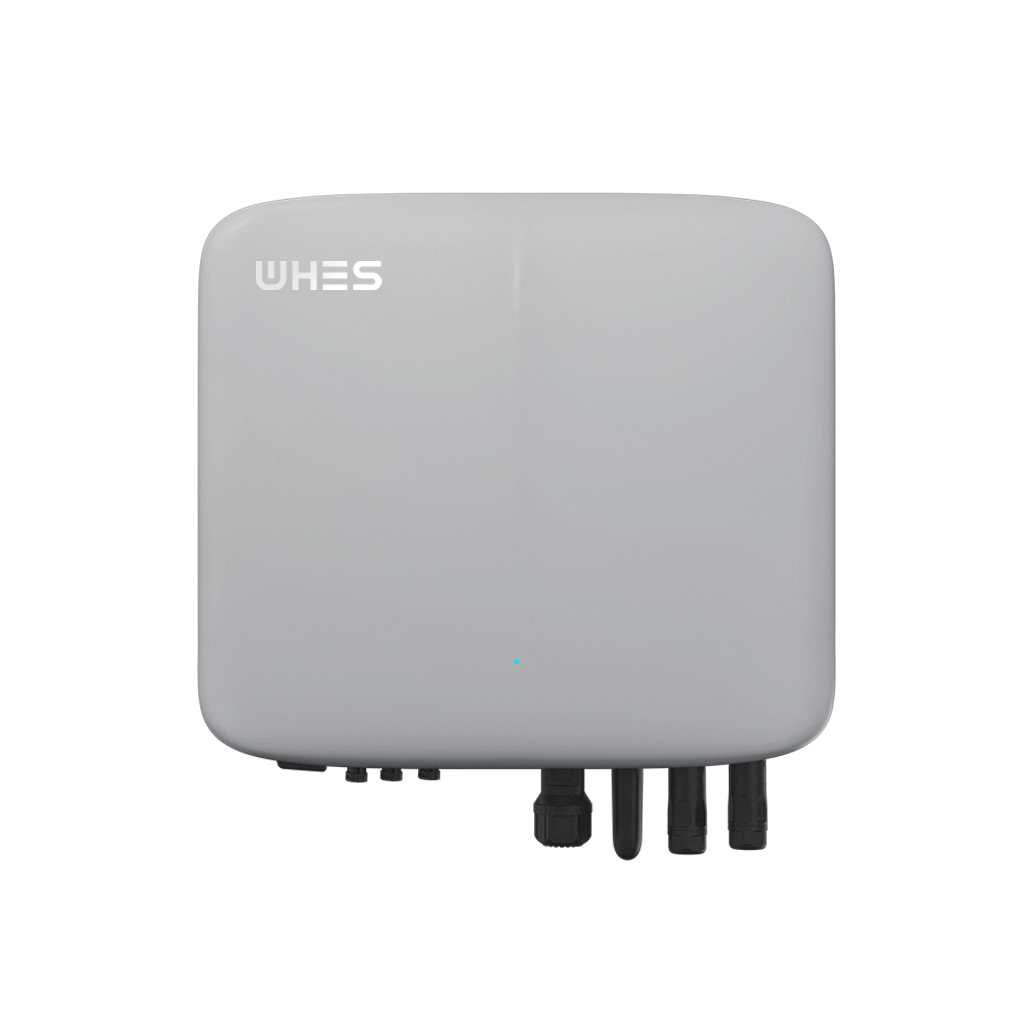
Successful deployment is not plug-and-play. Key technical elements include: correct inverter sizing, a robust battery management system (BMS), defined state-of-charge (SoC) strategies, and clear control logic for when to discharge. Round-trip efficiency matters when you model savings, and so do protection schemes to keep motors and sensitive robotics safe. Also evaluate communication with your energy management system (EMS) so storage participates in factory load scheduling rather than just reacting after the fact.
How to size and place modules — a pragmatic checklist
Start with measured load profiles, not guesses. Look at 15‑minute telemetry to spot the true peaks. Then:
- Identify the longest frequent peak (15–30 minutes) — target that duration for module sizing.
- Place batteries close to high-demand panels to reduce feeder losses and speed response.
- Confirm inverter and BMS interoperability with existing switchgear and safety interlocks.
These steps keep the solution focused and cost-effective rather than overbuilt.
Common mistakes manufacturers make — and how to avoid them
Teams often fall into the same traps: underestimating required discharge power, assuming a single central system will be enough, or neglecting lifecycle economics. Another frequent error is skipping real-world trials with the actual production load — trusting simulations only is risky. — Do field trials during a low-stakes shift if you can; that will reveal integration quirks quicker than design documents ever do.
Comparing modular 10 kWh arrays to large central batteries
Large central battery systems give big aggregate capacity and may lower per-kWh hardware cost, but they concentrate single-point failure risk and often require bigger civil works and longer permitting. Modular 10 kWh units trade some energy density for flexibility: easier phased installs, targeted service, and simpler redundancy strategy. From an operations view, modular systems also make maintenance more surgical — you swap one failing module, not take an entire plant off the grid.
Where home battery thinking helps — and where it doesn’t
Concepts from residential storage — SoC windows, BMS safety layers, and inverter standards — translate well. But the factory scale changes the rules on power electronics, duty cycles, and lifecycle cost modelling. For teams familiar with home backup or home battery backup systems, the control philosophies are similar; the engineering thresholds are harsher. You need industrial-grade thermal management and maintenance planning, not just consumer-grade convenience.
Common KPIs and measurement approach
Track these metrics to gauge impact: reduction in peak demand (kW), monthly demand charge savings (USD), percent of peaks covered automatically, and battery cycles per month. Use pre- and post-deployment telemetry for at least three months to normalise production variability. These measures prove ROI and help iterate on control strategies.
Three golden rules for selecting the right solution
1) Match discharge capability to peak profile: size for power as much as energy. If peaks are short and sharp, prioritise high C-rate modules. 2) Choose modularity over one-size-fits-all: phased installs reduce capital risk and let you scale where it matters. 3) Test with real loads and lock in acceptance criteria: require factory trials using your actual production lines before final sign-off.
Follow those rules and you move from theory to measurable cost reduction — and lower production risk. For many plants, the practical outcome is a more resilient, more predictable operation — which is what plant managers want in the end. WHES sits in that practical space as a partner who understands both modular storage design and operations — useful, not flashy, and built to keep lines running. —