Introduction: A Hybrid Room, a High-Stakes Meeting, and One Clear Choice
You walk into a packed council chamber five minutes before a live-streamed vote; laptops glow, the media is rolling, and a dozen remote guests are on standby. The wireless conference system was supposed to carry the day. Yet the chair’s mic flutters, remote audio delays stack up, and side chatter blooms into an echo that rattles the back wall. In studies of hybrid work, more than 70% of meetings now blend in-room and remote roles, and venues that miss sub-30 ms audio targets see a sharp rise in “please repeat” moments. Why do smart teams still get tripped by basic acoustics and placement (and timing)?
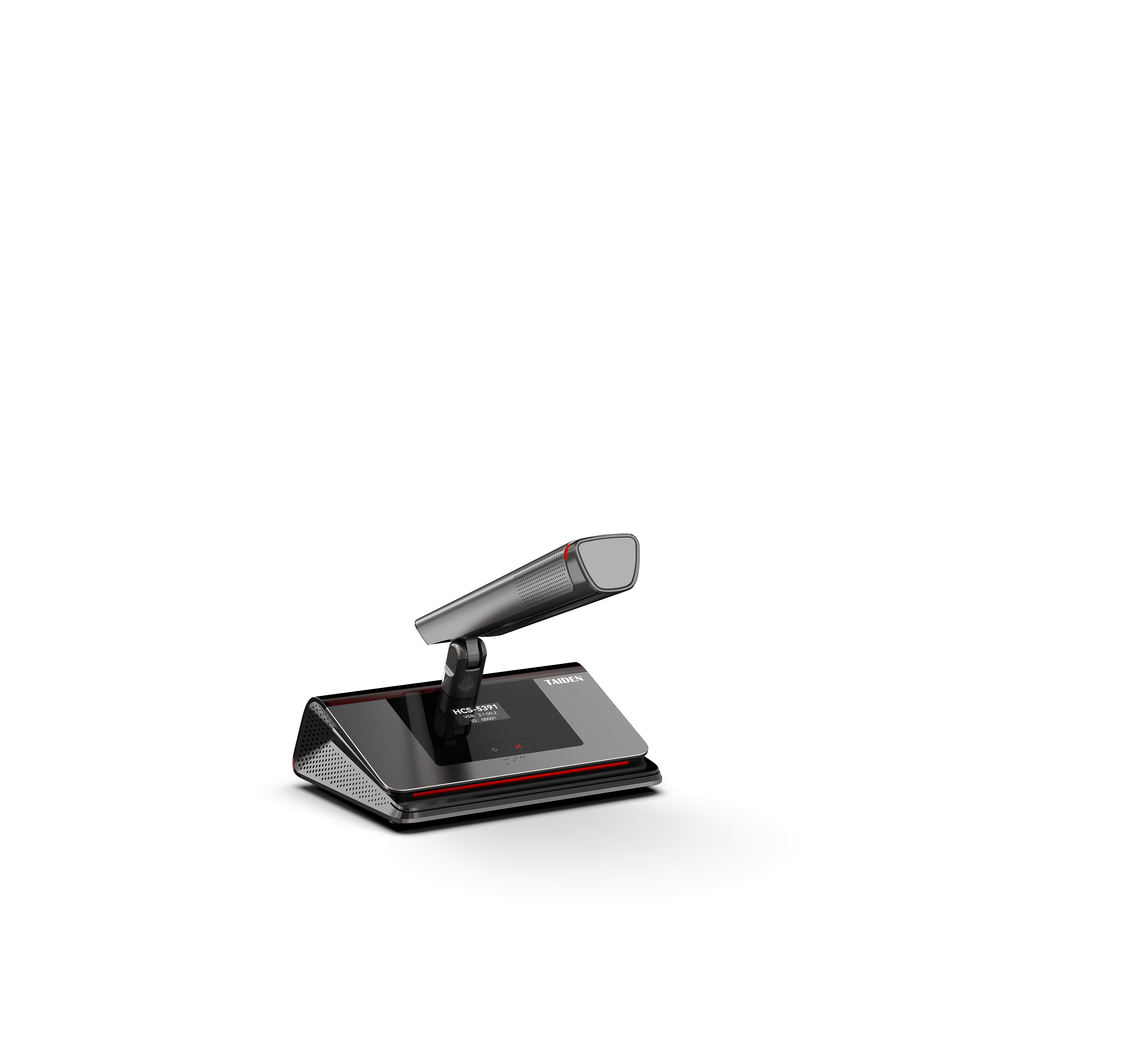
Here’s the reality: rooms aren’t static, and neither are people—devices move, bodies block, and noise shifts by the hour. Your choice of platform, channel strategy, and coverage method matters more than brand slogans. The question is simple: which approach cuts through the chaos without adding complexity? Let’s set a clean baseline and compare what actually changes outcomes, not just specs on a page—then map that to real rooms and workflows. Onward to the deeper layer that most briefs skip.
Infrared, Unblocked: The Hidden Pain Points You Can Actually Predict
Why do dropouts persist?
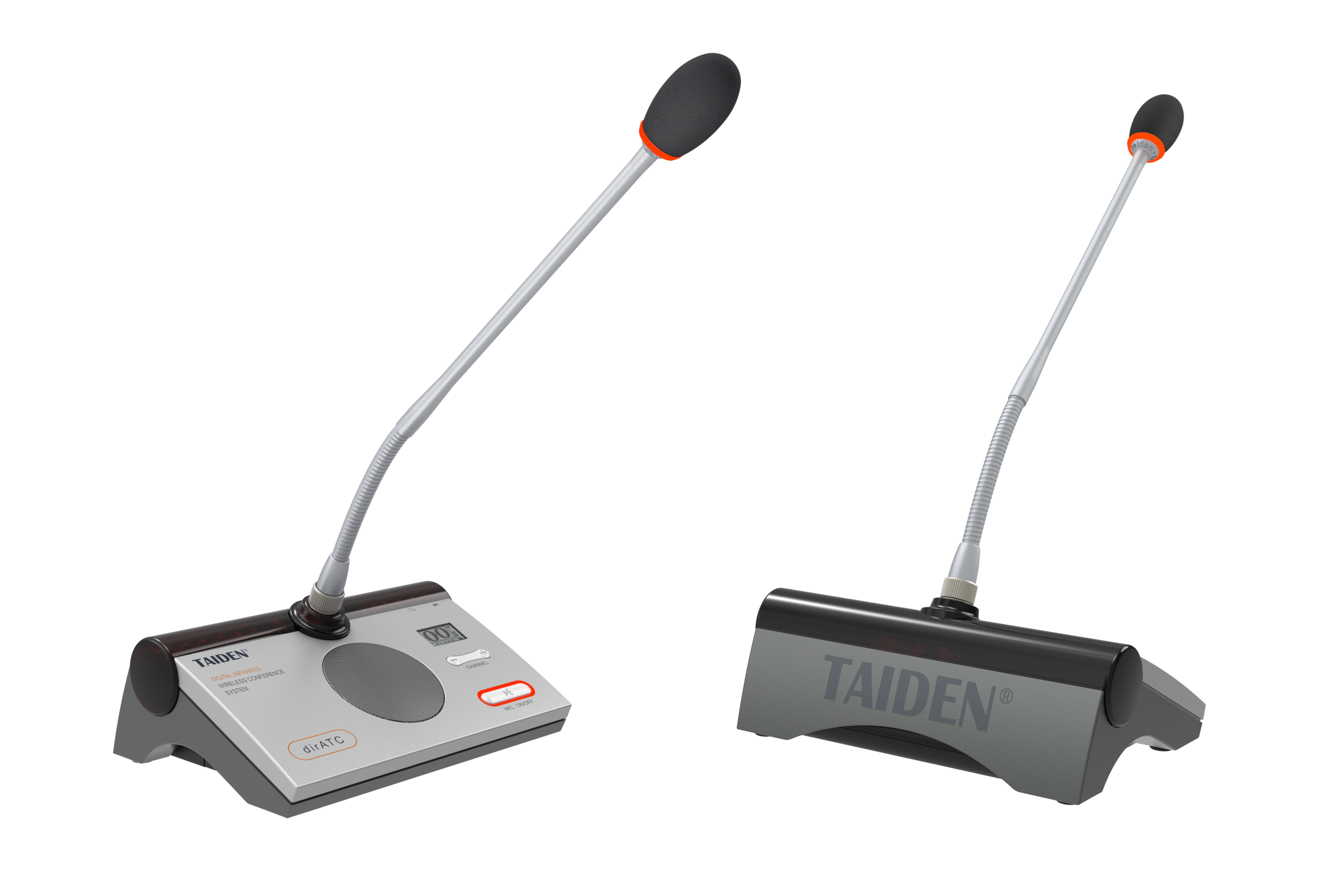
Let’s get technical for a moment. An infrared wireless conference system transmits with light, not radio, which means zero RF interference and naturally contained signals. That’s a big win for privacy and spectrum management. But the same physics that keep audio inside your walls demand clear line-of-sight between transceivers and endpoints. When IR emitters are mounted too high, aimed too tight, or spaced without overlap, you get intermittent fades and latency jitter that feel random (they aren’t). Look, it’s simpler than you think: coverage geometry dictates stability, while your DSP does the cleanup—echo cancellation, gain structure, and routing—after the signal is captured well.
Hidden pain points show up in normal behavior. People lean over tablets, raise folders, or swivel to address the gallery; bodies become moving “baffles” that shadow the IR path—funny how that works, right? Ceiling fixtures and skylights can introduce glare, and a glossy podium surface reflects just enough to confuse marginal receivers. Add a broadcast camera in an awkward corner and suddenly the mic flags whenever the moderator turns. The fix is pragmatic: map emitter cones with overlap, avoid single-point coverage, and treat obstructions as live variables. Two terms to keep top of mind: line-of-sight and QoS. If you design for both, dropouts become rare instead of routine.
Comparative Outlook: New Principles for Choosing Your Next System
What’s Next
When you compare IR to a modern digital conference system that uses RF, you’re really weighing containment and predictability against flexibility and range. Infrared gives you a hard physical boundary—light stops at walls—while RF, especially with OFDM and smart channel allocation, can weave through complex layouts and dense seating. The principle to apply is architectural fit: IR thrives where security, repeatable seating, and controlled lighting are constants; RF shines when rooms reconfigure often, when overflow spaces appear on short notice, or when you need roaming handhelds and larger antenna diversity. Add beamforming mics and you can squeeze more intelligibility from tough spaces, but only if your coverage plan matches your movement patterns. Different toolboxes, different wins—and both rise when your DSP chain is clean and your latency budget is respected.
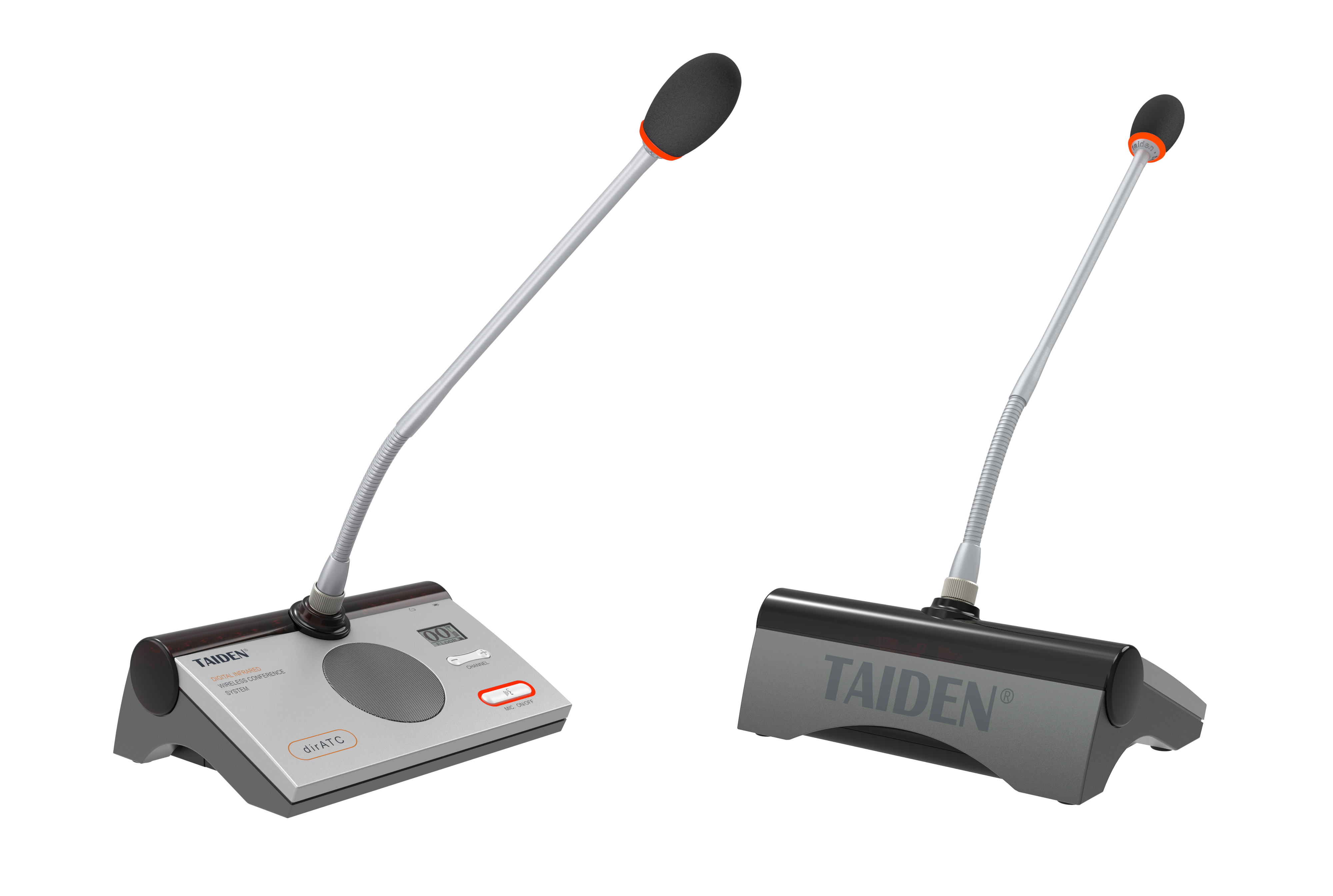
So, how do you decide without guesswork? Use three evaluation metrics that travel well across projects. 1) Coverage integrity: prove overlap with a walk test and a coverage map; your target is stable signal at every seat and standing position, not just at the table. 2) Performance under motion: measure end-to-end latency and dropout rate while people move, share screens, and switch speakers—real sessions, not quiet-room demos. 3) Security and containment: confirm data path encryption and, for IR, verify that audio cannot be received outside the room; for RF, validate spectrum plan and site-specific interference scans. Summed up, the lesson is simple—design to how people actually behave, then pick the medium that makes that behavior easy. And if you want a reference point for both IR and digital options from one place, explore TAIDEN.