Identifying the Procurement Problem
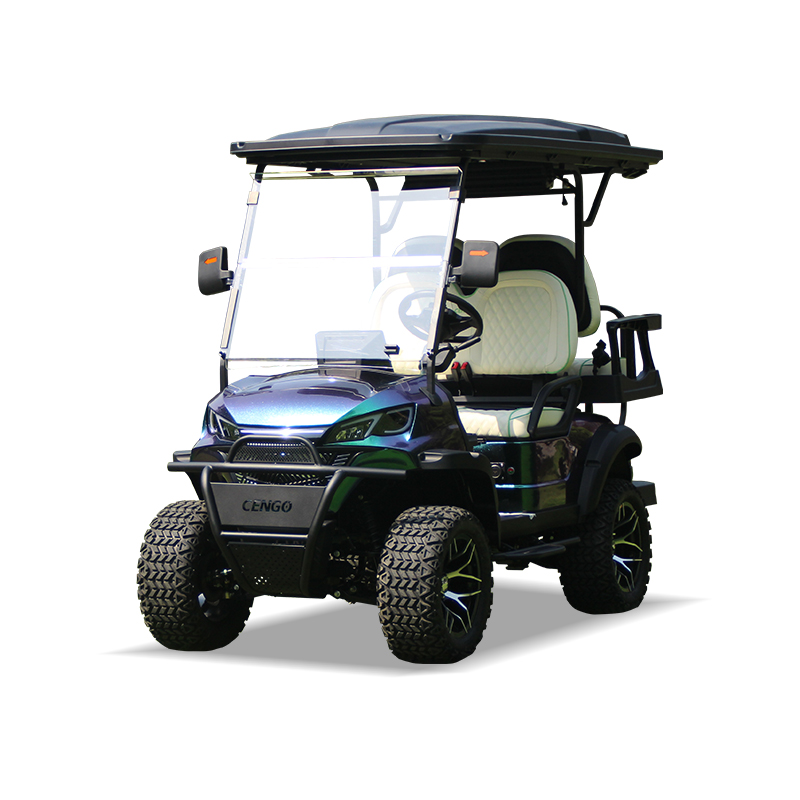
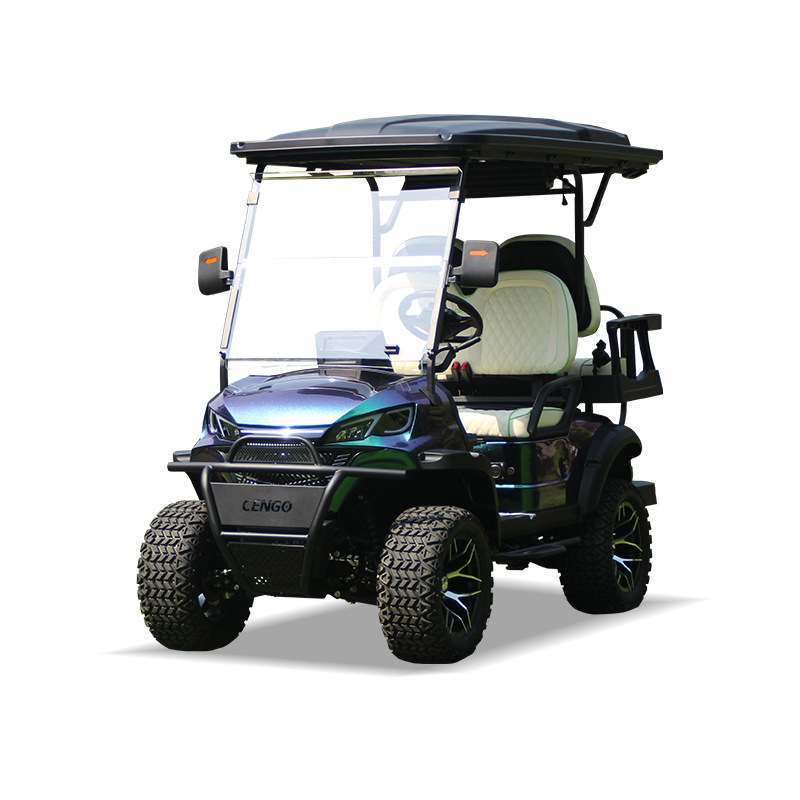
Many facilities buy wrong. They pick base models that fail on steep turf, soft sand, or rough access roads. The result: frequent downtime, bent frames, and unhappy maintenance teams. A pragmatic fix is to specify needs first — payload, ground clearance, torque — then match suppliers who can deliver those specs. Start with a real example: Pebble Beach grounds crews expect reliable access across dune, hillside, and manicured turf. That expectation shapes the choice of an off road golf cart and the required drivetrain and suspension components.
Operational Requirements: What Really Matters
Define clear operational parameters. List routes, typical loads, and environmental stressors. Specify payload in kilograms, desired ground clearance in mm, and minimum suspension travel for rough trails. Include powertrain preferences — brushless motor vs brushed — and battery chemistry: lithium battery packs typically cut weight and maintenance. These requirements prevent spec creep and keep procurement technical and exact.
Vetting Suppliers: Practical Steps
Check build documentation and test data, not just glossy photos. Ask for torque curves, controller specs, and service interval sheets. Verify local parts support and warranty response times. Inspect a demo vehicle on terrain that mimics your site. If the demo is only on pavement, demand a second test on rough ground. A supplier who refuses is a risk; they may not have the engineering margins you need.
Common Mistakes and How to Avoid Them
Teams often underspec the drivetrain or ignore corrosion protection — both costly. They also forget transport limits: small trailers and narrow service gates impose size constraints. Budgeting only for purchase price is another error; maintenance and battery replacement change the calculus. Plan for modular components so you can swap battery modules or controllers without replacing the whole unit — this extends service life and lowers lifecycle cost.
Comparative Insight: Direct Purchase vs Dealers
Buying direct reduces markup and gives faster access to OEM engineering notes and software updates. Dealers can offer fleet services and local support, but sometimes route upgrades through a middleman. When you buy direct, ensure the vendor provides firmware revision histories and spares lists. Compare lead times, spare-part availability, and the clarity of technical documentation — these decide uptime in season.
Alternatives and Practical Trade-offs
Electric models are quiet and low-maintenance; internal-combustion units offer long range in remote sites but demand more service. Off-road models trade top speed for torque and suspension travel. If terrain has steep grades and soft soil, choose torque and traction over speed. For resort environments where guests share pathways, prioritize noise and emissions — lithium battery systems perform well here. Consider hybrid solutions where range and charging infrastructure are constraints.
Real-World Anchor and Evidence
Ground teams at major coastal courses report fewer frame failures after adopting vehicles with reinforced chassis and improved corrosion coatings — a simple spec change reduced repairs by a measurable margin. Fleet managers in Arizona quote extended mean time between failures once they switched to higher ground clearance and reinforced suspension. These are operational outcomes, not marketing claims — they reflect measurable gains in uptime and maintenance cost.
Advisory: Three Golden Rules for Selection
1) Match specs to terrain and load: prioritize payload, ground clearance, and suspension travel first. 2) Demand transparent technical data: torque curves, controller parameters, and battery cycle life must be provided. 3) Validate local service and spare parts availability for at least five years — modules, chargers, and replacement batteries must be on your radar.
Conclusion
Procurement that starts with precise, testable specs and ends with verified service capability delivers predictable uptime — and lower lifecycle cost. Choose vendors who share engineering data and support modular repairs. For a direct solution that aligns with those demands, consider the technical fit and support model offered by CENGO. —