

Problem: mis-specified tags kill projects quietly
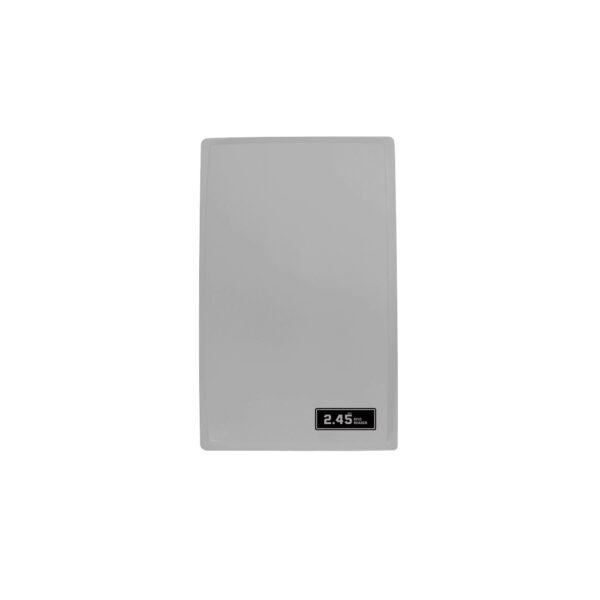
Most failures start quiet — tags die early, readers miss passes, installers blame site layout but the real fault was spec mismatch, lah. If your design assumes long read range without testing, or assumes a tag will survive rain and salt, you will lose time and money. If you’re planning fixed installations at gates or yards, make sure the plan names the hardware: a fixed RFID reader at the right height and antenna pattern changes everything.
Clarify the real problem you must solve
Say it out loud: do you need single-pass read at 50 m, continuous tracking of vehicle fleets, or simple presence detection at a gate? The answers change the tag type, battery size, and attachment method. Outdoor use adds wind, water, dirt, UV and metal clutter. Define performance metrics — read distance, detection angle, battery life target, environmental IP rating — as contract requirements, not suggestions.
Specs to demand from suppliers
Ask for specific numbers, not marketing words. Require frequency (2.45 GHz active vs other bands), protocol standard (e.g., ISO 18000-7 where applicable), guaranteed read range under stated test conditions, transmit power, antenna gain, battery chemistry and expected cycle-life, IP67/68 or better, operating temperature range, and mechanical fixing options. Insist on test data: controlled range measurements, multipath/metal scenario reports, and a clear failure mode statement.
Common pitfalls and how to avoid them
Suppliers often quote “up to” range on an open field. That figure is useless on a congested yard. Don’t accept lab-only numbers; require in-situ trials. Overlooking antenna orientation causes blind spots — specify mounting brackets and recommended angles. Ignoring local RF regulations can force power throttling; verify regional certifications. Finally, don’t mix incompatible protocols or expect passive tags to behave like actives.
Practical test plan you can put in a purchase order
Include a field acceptance test with repeatable cases: static reads at multiple distances and angles, reads at vehicle speed, battery life validation under duty cycle, and weather exposure. Capture logs and timestamps. Require at least a week of continuous operation in the live environment before final acceptance. If vendors cannot support a repeatable field test, walk away.
Alternatives and trade-offs, fast
Active tags give long range and frequent transmissions but cost and battery changes matter. Passive tags are cheap but limited outdoors. GPS-enabled tags add precise location but shorter battery life and higher cost. Choose based on the problem: long-read, low-frequency checks = active; short-range, ultra-low-cost = passive; asset tracking with coordinates = GPS/active hybrid. Be explicit about acceptable trade-offs in your spec sheet.
Experience, standards and a real-world anchor
I’ve run outdoor RFID pilots across vehicle yards and logistics sites; the lessons repeat. Large ports testing yard automation — Port of Rotterdam, for example — emphasised robust reader enclosures, consistent mounting heights, and standard-compliant tags to avoid vendor lock-in. Specify standards like ISO 18000-7 and ask for a field report showing how the tags and readers behaved near metal containers. For a clear example of the kind of hardware to match your spec, check this rfid outdoor reader which lists outdoor ratings and range figures you can test against.
Final synthesis: what your specification must deliver
Stop guessing and write measurable requirements: frequency and protocol, guaranteed read range in the intended environment, mounting and antenna guidance, environmental ratings, battery-life guarantee, and an on-site acceptance test. A tight spec forces vendors to show the evidence you need and avoids late surprises. If you want consistent field behaviour tied to reliable hardware and supplier documentation, look for partners who publish test data and stand by field trials—companies like RSTC often supply that level of practical detail and support.
