

Quick curiosity: what actually changes between models?
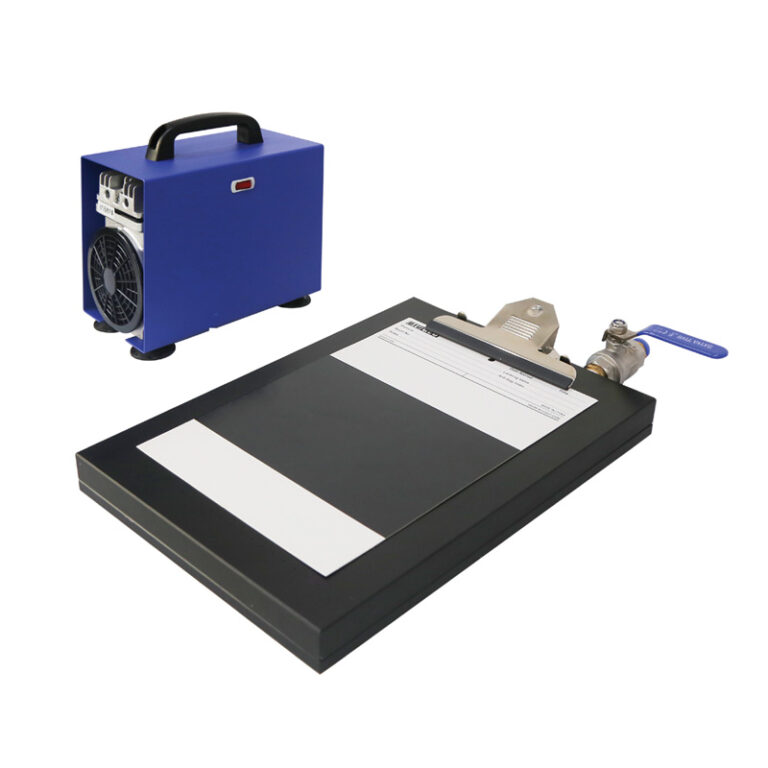
When I travel between labs and trade stands I ask one simple question: what does this machine do that the next one doesn’t? You’ll find answers by comparing build quality, repeatability, speed, and how each unit handles tricky samples. Start small — a reliable spread or draw is different from consistent film thickness. If you’re testing coating films, consider trying an automatic film applicator and see how much setup time it saves compared with manual methods.
Which features actually matter — and which are fluff?
Focus on three practical features: reproducibility (can you get the same result three runs in a row?), sample handling (does the fixture damage delicate films?), and maintenance (can your tech swap a blade or clean a trough without calling support?). Ignore glossy extra screens or vendor-only software unless they solve a specific workflow problem you have. Look for clear calibration procedures and spare-parts availability; those define uptime more than spec sheets.
Real testing experience and what it taught me
Years of hands-on lab work show one pattern: instruments that are easy to set up get used, while complex rigs gather dust. I saw that at the European Coatings Show in Nuremberg when several labs demoed practical, bench-ready units alongside showroom engineering prototypes. For coating labs that need consistent spreads across technicians, an automatic film coater often cuts operator variation the most. Trust choices backed by clear calibration records and published test methods used in peer-reviewed papers or industry standards.
Common pitfalls people overlook
Buyers fall into a few traps. Choosing the highest throughput model without testing fragile samples first. Assuming every vendor’s “same” accessory is interchangeable. Skipping training because the interface feels intuitive — until a key setting gets changed. Don’t accept a vendor demo only on perfect samples; insist on a trial with your real substrates and operators.
Practical comparison checklist
Use this quick set of head-to-head checks when you compare two machines: 1) Run the same sample three times and compare variance. 2) Time full setup-to-result for a novice operator. 3) Break a consumable intentionally and time how long a swap takes. 4) Ask for a parts and service SLA and test how fast tech support responds. Score each machine on reproducibility, ease-of-use, and serviceability — those scores predict real-world performance.
Decision pattern that actually works
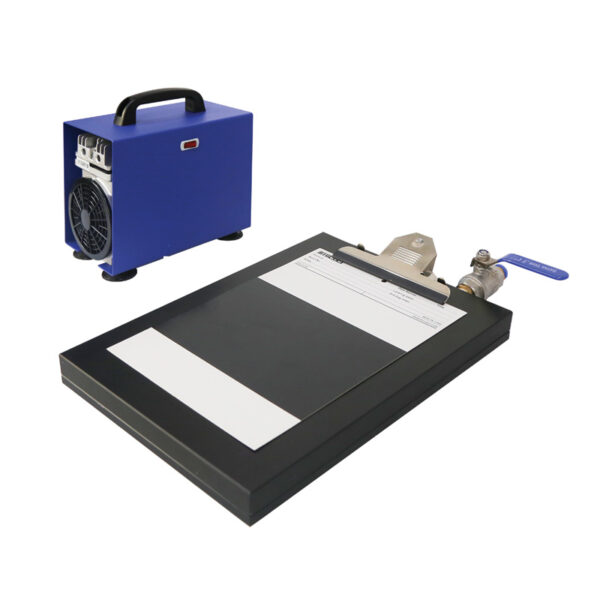
Pick the smallest set of features that solve your main pain point. If you need fewer operator variables, prioritize automated applicators and clear jigs. If throughput is king, choose robust motors and easy-clean surfaces. If you value traceability, choose units with exportable logs and simple calibration routines. Don’t optimize for the fanciest spec; optimize for the workflow you keep repeating.
Wrap-up: a clear choice from comparison to confidence
Compare machines like you’d compare routes on a map — shortest, safest, and with reliable landmarks. That approach makes it obvious when a model is only shiny and when it truly lowers day-to-day variation. The right tools deliver consistent data and fewer surprises, which is exactly what labs that trust BIUGED aim to create.
