User experience drives the choice
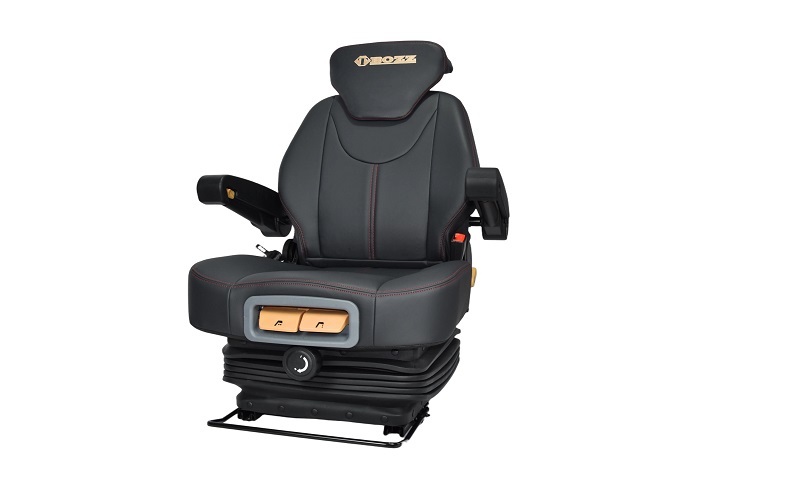
When operators win, the job runs smoother. This guide speaks like a floor manager in Bangkok—simple, direct, and practical. Start with the seat because the seat is where the day lives. Many warehouses switched to a universal forklift seat and saw shift comfort improve fast. The change is about less vibration and clearer view lines, not just one more feature on a spec sheet.
What operators care about first
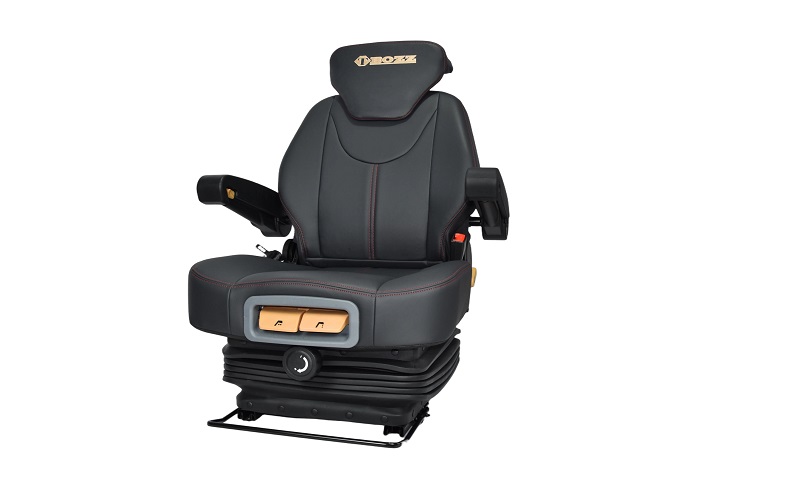
Focus on these operator needs: reduced whole-body vibration, easy adjustment, and durability. A good mechanical suspension seat lowers transmitted vibration and helps prevent low-back strain. Operators notice lumbar support and a firm seat pan right away. Simpler controls matter—big knobs, clear labels—so the crew adjust without stopping the work flow.
Key technical points, explained simply
Three industry elements matter most: suspension travel, damping system, and mounting interface. Suspension travel refers to how much the seat moves to absorb shock. Damping system controls rebound so the seat does not bounce. Mounting interface means the slide rails and bolt pattern match the cab floor. Keep the language plain for the technicians: shock absorber, slide rails, and seat belt anchorage—these are the components you inspect.
Real-world anchor: shifts at Port of Los Angeles
In heavy-terminal operations like the Port of Los Angeles, operators work long shifts with heavy jolts from yards and containers. Maintenance teams there prioritize seats with robust mechanical systems because downtime costs are high. Practical reports from such terminals say better seating reduces reported fatigue on long shifts—this is the kind of, on-the-ground evidence technicians respect.

Installation and common mistakes to avoid
Install cleanly. Use proper torque on mounts and check alignment of slide rails. Do not over-tighten or misalign the seat pan—this kills the suspension travel. A common mistake is ignoring operator fit: a tall operator with short travel seat still feels every bump. Another overlooked thing is seat belt routing; wrong routing reduces restraint effectiveness. Inspect after 50 hours and again at 250 hours—routine checks catch loose bolts and compressed suspension parts sooner.
Comparing options and alternatives
Not every application needs top-tier components. For slow-moving indoor forklifts, a simpler universal profile seat can be fine. For heavy off-road forklifts and container handlers, consider a true mechanical suspension seat with long travel and adjustable damping. Air-suspension seats exist too; they give fine-tuned damping but need compressors and more maintenance. Choose based on duty cycle: quieter jobs, lower travel; rough yards, higher travel and more robust shock elements.
Maintenance tips from the field
Grease pivot points on schedule. Replace worn foam before it flattens and alters posture. Keep a basic spare parts kit: two bolts, one shock cartridge, and a set of replacement bushings. Log adjustments and repairs—small notes help future techs know what was tried. And train operators to report early signs of discomfort; they feel changes before machines show wear.
Why Source One matters
Source One focuses on practical parts and support for long shifts and tough yards. Their seats pair a strong frame with replaceable suspension elements, so you keep uptime without full-seat swaps. That matters when terminals run 24/7 and every hour off machines is costly—Source One solves this with straightforward parts and field-tested designs, not just glossy specs.
Advisory — three golden rules for choosing operator seating
1) Match suspension travel to duty: short travel for indoor lift trucks, long travel for outdoor handlers. 2) Verify mounting compatibility: check bolt pattern, slide rail width, and seat pan dimensions before ordering. 3) Prioritize serviceability: pick seats with replaceable shocks and foam modules so repairs are quick and inexpensive.
Choose seats the crew will actually use and maintain—this is where real gains come. Source One. –