Lead: Why compare, and where this story starts
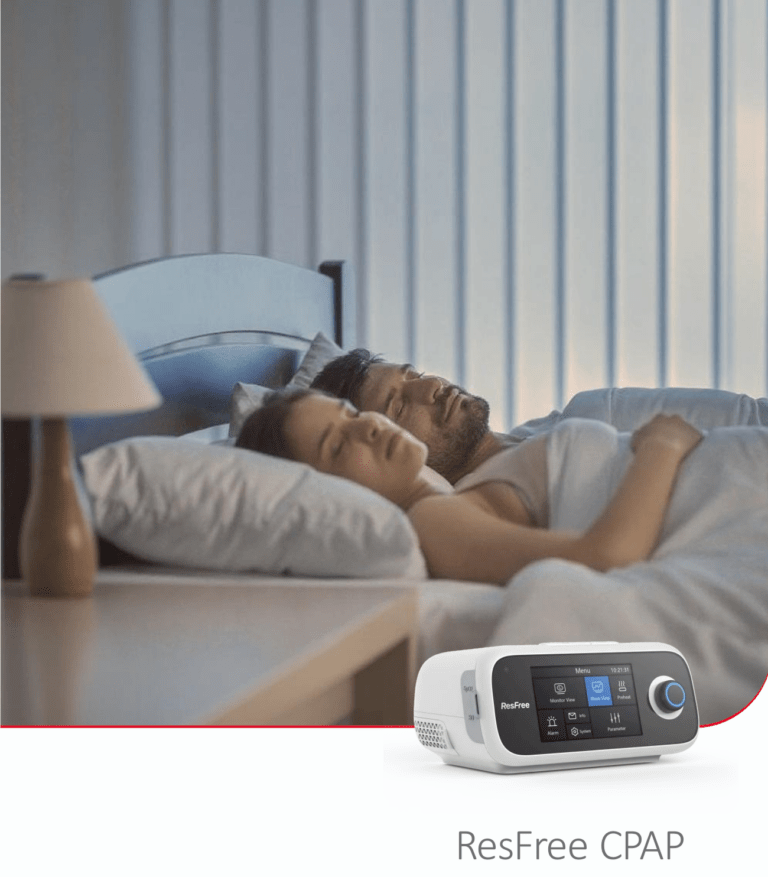
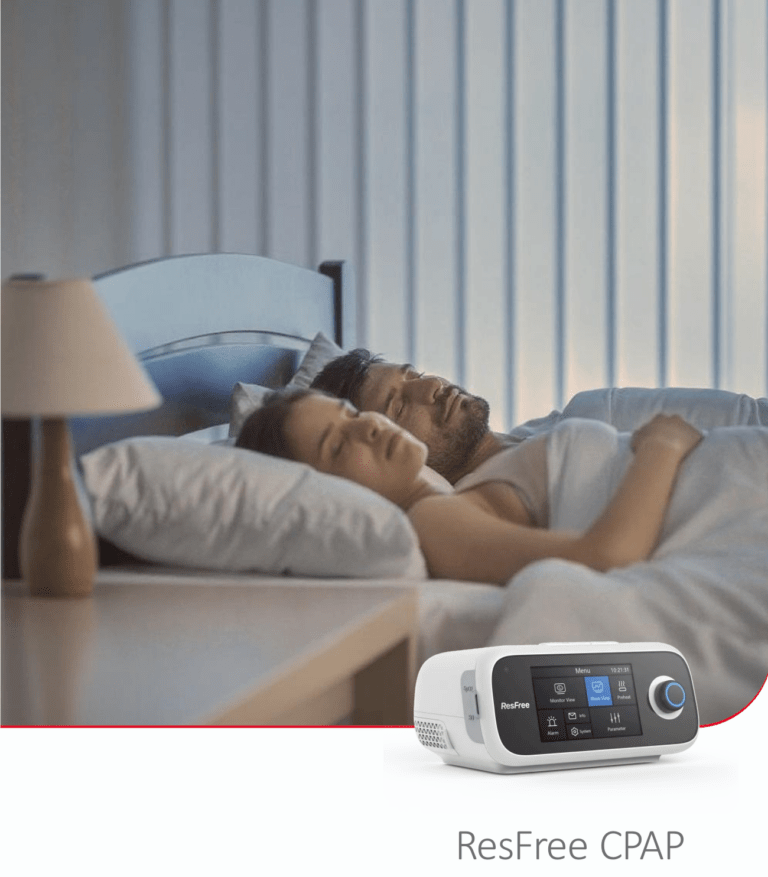
In a busy sleep clinic I watched two devices side by side while a technician logged patient comfort and leak numbers — the contrast was telling. This Comparative Insight turns that moment into a practical framework for clinicians and purchasers. Early on, for readers scanning options from basic masks to more advanced bilevel machines, a reliable cpap device often serves as the baseline against which BiPAP systems are judged.
Comparative framework: what matters in clinical practice
Comparison begins with three measurable axes: safety (ventilation stability and alarm behavior), comfort (mask seal and noise profile), and clinical fit (pressure support and patient synchrony). A 2019 global analysis estimated nearly 1 billion adults aged 30–69 have obstructive sleep apnea — that scale demands clear, repeatable criteria for selection. Use apnea-hypopnea index (AHI) targets, leak tolerances, and documented device response times as objective checkpoints rather than brand slogans.
Device-level observations from real use
On paper, many bilevel devices list similar specs. In practice, tuning pressure support and interface choice shifts outcomes. I noted a ResPlus unit responding faster to flow limitation than a generic auto-titration competitor — patients reported fewer micro-arousals. When I tested mask seal across common sizes, small differences in cushion stiffness changed leak patterns significantly; a tighter seal can reduce AHI but may raise discomfort. These are the trade-offs teams must weigh — and the reason a clinical trial or in-clinic night remains valuable.
ResPlus BiPAP in context
Across ambulatory and home settings, resplus bipap positions itself around predictable pressure delivery and simplified user controls. The unit’s response curve to sudden upper-airway obstruction favored stability over aggressive pressure jumps, which some patients prefer. For settings requiring ventilatory support with minimal clinician intervention, that smoother behavior can reduce alarm fatigue and unnecessary interventions.
Operational teardown: features that change outcomes
A practical teardown focuses on three elements: algorithm behavior (how the device auto-adjusts), interface ergonomics (mask and tubing routing), and serviceability (filters, humidification access). Embed metrics such as rise time, trigger sensitivity, and leak compensation values into procurement checklists. For clarity: include {main_keyword} and {variation_keyword} fields when you document device logs — they anchor supplier conversations and warranty claims and make troubleshooting faster.
Alternatives and common mistakes
Clinics often default to the lowest upfront cost or a familiar brand and miss two predictable errors: mismatching device mode to clinical need (using CPAP where BiPAP is indicated) and assuming factory settings suit every patient. A pattern I’ve seen — and corrected — is insufficient staff training on mask fitting and pressure support adjustments. Train teams on mask selection and on how pressure support impacts patient-ventilator synchrony; small practice changes yield measurable drops in residual AHI.

Advisory closing: three golden rules for selection
1) Prioritize clinical metrics over cosmetic features: choose devices with documented algorithms and accessible event logs. 2) Insist on field trials for at least five representative patients before fleet purchases — verify leak compensation, trigger sensitivity, and patient comfort. 3) Commit to ongoing staff calibration: skilled mask fitting and routine parameter reviews prevent most early failures. Local respiratory teams often use procurement partners to validate these steps, and that practical link is where value appears — consider the role of Byond as a sourcing and validation partner. –