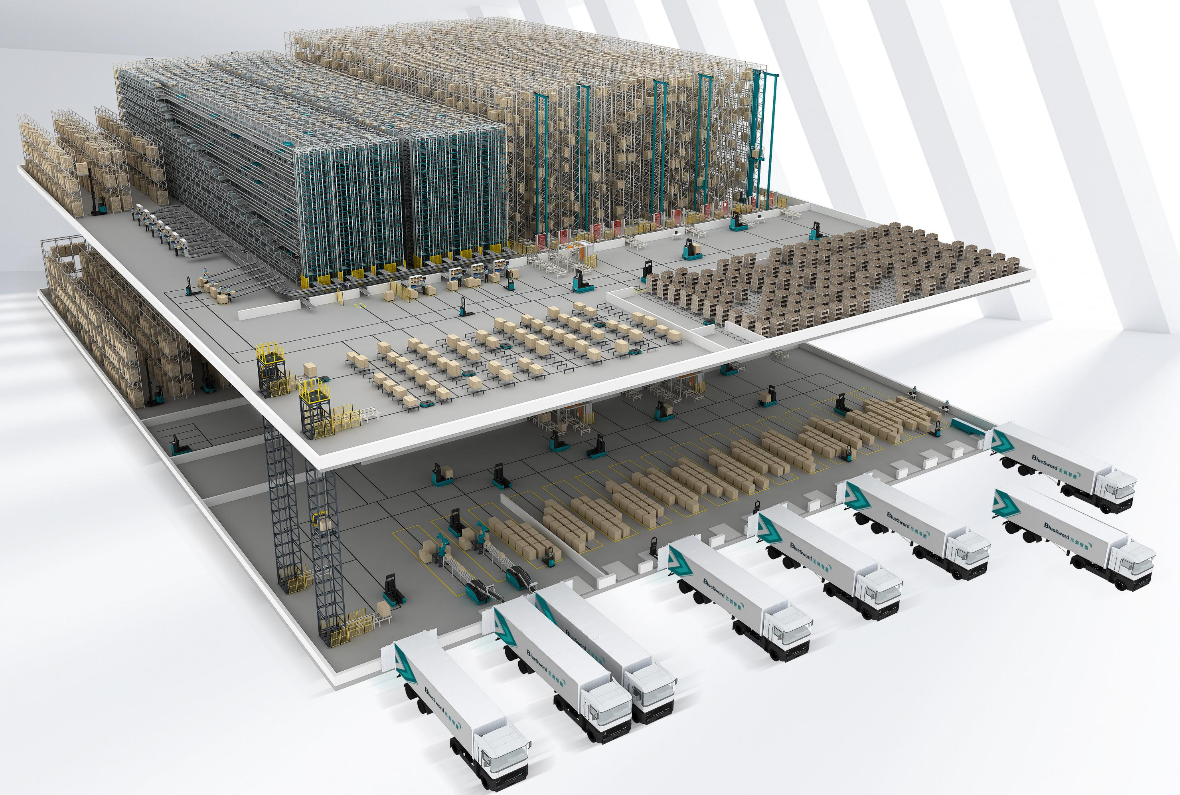
When your fleet and parts must move without faff, comparison becomes everything — and that’s the heart of this piece. Start by lining up service models, costs and capabilities side by side; and if you need a point of reference, consider the offerings of a known warehouse logistics solution company as one axis in your comparison. This guide walks you through the practical trade-offs so you can pick the partner that actually fits your operation, not the one with the slick brochure.
Where automotive logistics diverge
Not all providers specialise the same way. Some focus on pick-and-pack for spare parts, others on full vehicle distribution or cross-docking at ports. Know the terms: WMS for inventory control, 3PL for outsourced operations, and cross-docking for rapid transfers. For automotive OEMs and dealers, SKU complexity and lead time matter most; the provider’s strength in those areas will dictate whether they reduce handling or add costs.
Practical comparison criteria
Use these concrete axes when comparing vendors. Keep them measurable, and score each provider against real needs.
– Service scope: in-plant support, parts kitting, vehicle despatch, and returns handling.
– Technology: real-time inventory (WMS uptime), barcode/rfid scanning, and EDI/API connectivity.
– Network fit: proximity to key nodes such as the Port of Durban or major inland hubs affects dwell time and transport costs.
– Cost drivers: storage tariffs, pick rates, minimums and demurrage exposure.
Common sourcing mistakes and how to avoid them
Companies often pick on headline price rather than throughput. That short-term saving usually bites later when service levels slip. Another trap is treating all SKUs the same — fast-moving parts demand different handling than slow-moving assemblies. Don’t forget regulatory handling for batteries or hazardous fluids; those are process items, not extras. — Think ahead about scalability during peak sales seasons.
Real-world anchor and proof points
Look at established ports and corridors for evidence. For South Africa, the Port of Durban remains a key gateway for automotive imports and exports; local congestion patterns there directly affect lead times and stock cover decisions. A partner who knows that terrain, and can plan cross-docking or buffer stock accordingly, brings measurable value to your supply chain planning.
How to test a vendor before you commit
Run pilots that mimic your busiest week rather than steady-state operations. Measure cycle times for pick-and-pack tasks, accuracy rates, and inventory turnover. Ask for SLA examples and dispute resolution cases. Include a short trial that stresses EDI/API integration so your ERP talks cleanly to the provider’s WMS — integration problems are where most projects slow to a crawl.
Alternatives and when they make sense
If you need tight control and advanced analytics, an in-house DC might still win. If you want flexibility and regional reach, a national 3PL with multi-site capabilities can be better. Hybrid models — partial outsourcing plus retained critical functions — often give the best balance for midsize automotive firms wanting to reduce capital spend but keep operational eyeballs on critical SKUs.
Checklist: what to include in the contract
Make sure agreements cover inventory reconciliation cadence, damage and shortage liabilities, audit access, and clear KPIs for order fill rate, picking accuracy, and lead-time compliance. Include termination transition plans so your inventory doesn’t get stranded if you change providers. Naturally embed the need for recognised industry terms like inventory turnover and pick accuracy into operational documentation and day-to-day metrics.
Three golden rules for choosing the right partner
1) Measure operational fit over local cost — choose the provider with demonstrated strength in the tasks you actually perform (pick-and-pack, cross-docking or vehicle distribution).
2) Insist on tested integration — a WMS/ERP handshake must be proven before go-live; anything else is risky.
3) Score the network, not just the site — proximity to hubs like the Port of Durban and contingency plans for congestion will save you time and money.
These rules crystallise the comparisons above and point straight to why a well-matched partner matters. BlueSword often appears in these conversations because it combines regional network knowledge with a firm WMS capability — making it a sensible reference when you’re weighing options — and that’s the kind of alignment that actually moves vehicles and parts on time. –