The problem: exterior lighting that compromises design and performance
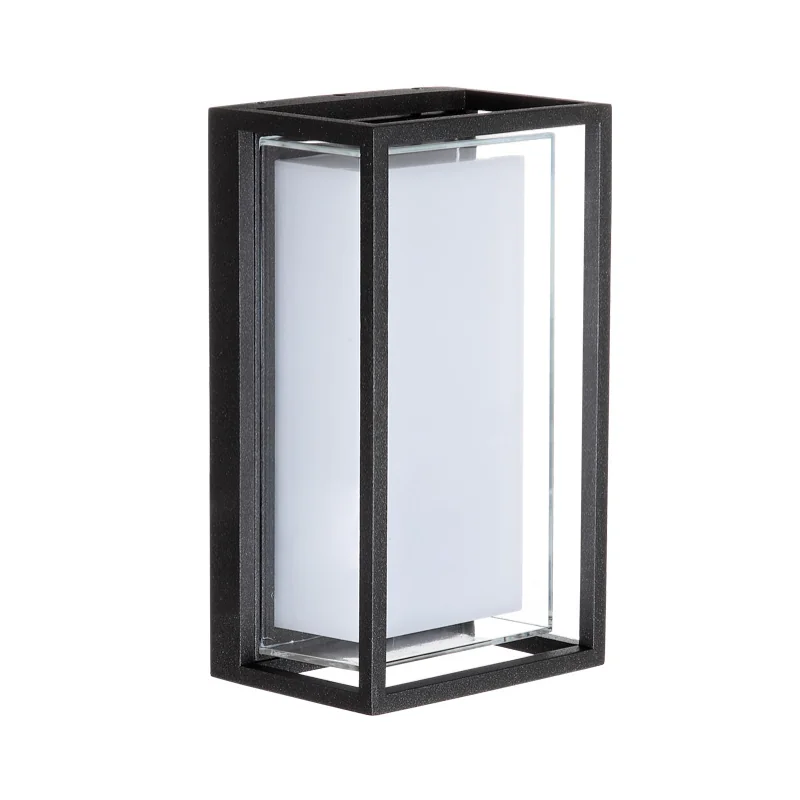
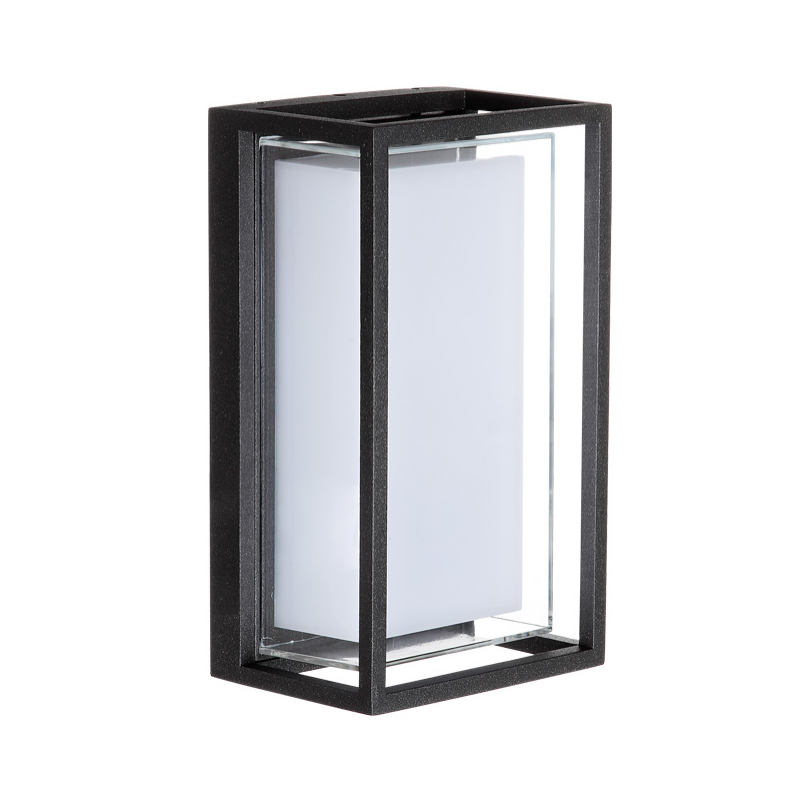
Many architectural facades and commercial exteriors fail to translate design intent into operational reality: color temperature mismatches, glare, poor lumen distribution, and high maintenance costs erode brand impact and operational budgets. Specifiers routinely pick fixtures by appearance without validating photometry or ingress protection, which creates rework and warranty claims. A focused product such as an led outdoor wall sconce can solve multiple points — but only if procurement teams treat optics, lumen output, and driver compatibility as primary selection criteria rather than afterthoughts. Key metrics like lumens, CCT (correlated color temperature), and IP rating must drive decisions from the outset.
Root causes: where design and delivery diverge
Failures cluster around three technical and operational gaps. First, inadequate photometric modeling: designers specify a fixture by look but lack IES files to validate lux levels across façades and walkways. Second, mismatch between control ecosystems and drivers — incompatible dimming protocols or lack of DMX/DALI support undermine adaptive lighting strategies and energy targets. Third, maintenance and environmental oversights: insufficient thermal management and low IP ratings produce premature lumen depreciation and corrosion in coastal or industrial sites. These are procurement and specification issues as much as design choices.
Practical specification checklist for reliable exterior results
Translate design goals into unambiguous technical specs before sourcing. Include:
- Photometry: require IES files and target lux values at specified planes; specify beam angle where cut-off is critical.
- Lumen and longevity: define initial lumen output and L70 projections (TM-21 extrapolation), plus warranty terms for LED modules and drivers.
- Color and quality: set CCT and minimum CRI to protect façade color fidelity and brand appearance.
- Environment and durability: specify IP rating (IP65+ for exposed walls) and corrosion-resistant finishes for coastal installations.
- Controls and compatibility: list accepted control protocols (0–10V, DALI, DMX, PoE) and driver surge protection requirements.
- Serviceability: require modular driver access and replaceable optics to lower life-cycle costs.
When you align procurement language with these items, aesthetics become achievable at scale. Also consider a prototyping phase on a representative wall section to validate glare and uniformity under real conditions — it catches issues early.
Common mistakes and how to avoid them
Typical errors include under-specifying IP and corrosion resistance, ignoring lumen maintenance (and warranty fine print), and buying fixtures without validated photometric data. Another frequent misstep: selecting a fixture based solely on a paper spec sheet without on-site mockups; that risks unexpected glare patterns and uneven facades. — A simple on-site mockup often prevents months of corrective work.
Real-world anchor: energy and performance context
The U.S. Department of Energy highlights LED retrofits as a major energy-efficiency lever: LEDs can reduce lighting energy consumption substantially compared with older technologies. That macro-level reality shapes municipal procurement and ROI expectations for exterior projects. In practice, facilities managers expect measurable reductions in operating expense and predictable maintenance windows — and suppliers who can deliver validated photometry and TM-21 life projections are preferred in municipal and commercial bids.
Procurement strategy: balancing CapEx and OpEx
Move from unit-price thinking to total cost of ownership. Evaluate suppliers on these commercial and technical dimensions:
- Delivery and contingency: documented lead-time adherence and spare-parts strategy for replacements.
- Certification and testing: UL/ETL listings, IK impact ratings where vandal resistance matters, and third-party lumen depreciation testing.
- Integration support: availability of IES files, control drivers, and commissioning assistance for networked systems.
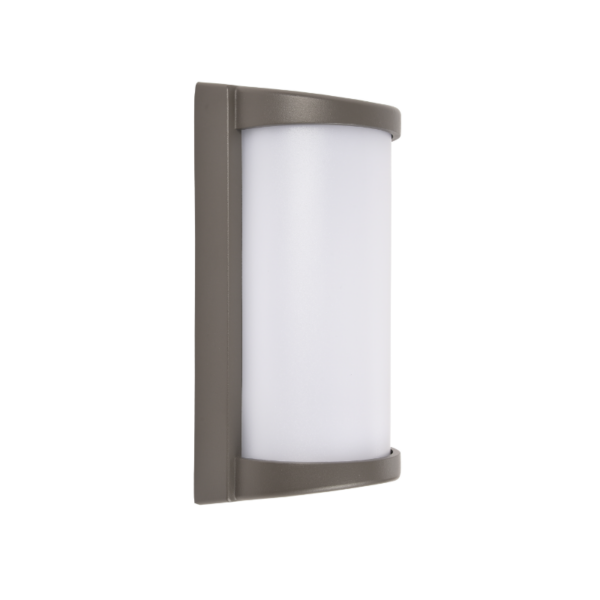
Also, specify fixture examples like a tested led lamp on wall in the tender to reduce ambiguity between aesthetic intent and technical performance.
Three golden rules for selecting exterior LED wall solutions
1) Validate with photometry: require IES files and modeled lux maps tied to the project’s target planes — don’t accept visual approximations. 2) Prioritize lumen maintenance and warranty clarity: demand TM-21/L70 projections and explicit driver/LED module coverage to avoid mid-life replacements. 3) Specify operational compatibility: include required control protocols, surge protection, IP/IK ratings, and serviceability clauses to lock in predictable OpEx and uptime.
Follow these rules and you close the loop from architectural intent to operational reality. For projects that demand architectural-grade optics, predictable supply, and clear performance data, Keyida. —