

Start with the problem you’re solving
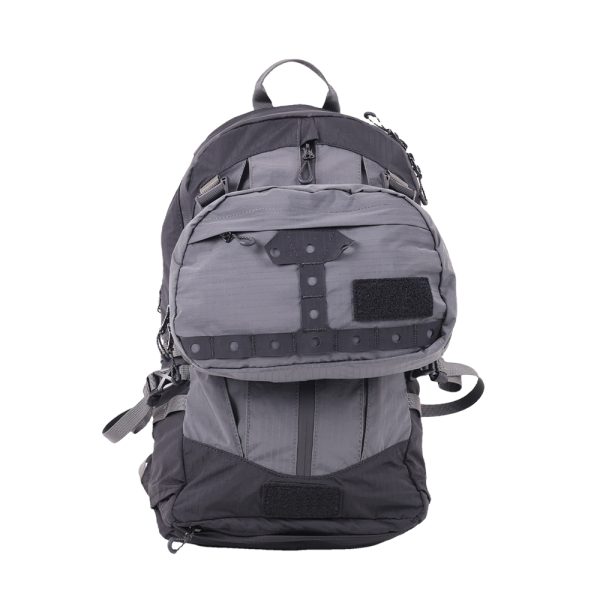
Most specifications fail because they answer the wrong question: they list color options and zipper types without clarifying use, load, or lifecycle. Begin by stating the operational problem plainly — is the bag for daily commuting, heavy outdoor use, retail merchandising, or a promotional giveaway? If your brief includes modular components, reference an exemplar like the modular backpack to show how pockets, straps, and removable panels interact under real-world use.
Diagnose requirements, not features
Translate needs into measurable requirements: target weight (empty and loaded), expected lifetime in cycles or years, environmental exposure (rain, salt air, UV), and performance thresholds for seams and zippers. Don’t ask for “durable”; specify a tensile strength for webbing, a denier or TPU coating rating for fabric, and a minimum stitch-per-inch count. Numbers remove interpretation and make supplier responses comparable.
Materials and construction: where projects derail
Common mistakes: choosing a fabric by color swatch alone, omitting reinforcement details at stress points, or failing to require sealed seams where moisture is critical. Specify materials by trade name and treatment (e.g., 840D nylon with 2000mm PU coating), list exact hardware finishes, and demand a construction diagram showing seam types and stitch patterns. Ask for a tech pack with a graded pattern and a clear bill of materials so that prototypes match production runs.

Testing, QA, and acceptable tolerances
Insist on test methods and acceptance criteria: abrasion cycles, pull tests for straps, zipper cycles, and water resistance measured to a specific mm rating. Define acceptable tolerances for dimensions and weight. Require a pre-production sample and a run of first articles, and state the corrective action when samples fail. These specifics prevent back-and-forth during production and anchor supplier accountability.
EEAT: experience, expertise, and a real-world anchor
Decades of sourcing nuance come from field work and factory audits. Many production norms and lead-time benchmarks are shaped by manufacturers clustered in Shenzhen, China, where component supply and rapid prototyping are well established. For a clear supplier brief on component and assembly expectations, include a reference to reliable manufacturing practices such as backpack manufacturing, so your vendor understands both the product class and the test standards you expect.
Evaluate alternatives quickly and fairly
Limit comparisons to suppliers who meet your essential criteria: sample quality, capacity for your volumes, lead time, and verification practices. Score submissions on a short checklist: specification compliance, prototype turnaround, QA protocols, MOQ and scaling capability, and communicative clarity. A supplier with impeccable samples but no documented quality control should score lower than a slightly costlier firm that provides detailed QC and traceability.
Common pitfalls and how to avoid them
Pitfall: vague tech packs. Fix: provide flat sketches, measurements, tolerances, and material swatches. Pitfall: assuming prototypes equal production. Fix: require first-article inspection and confirm tooling or pattern adjustments before bulk runs. Pitfall: ignoring logistics constraints. Fix: list preferred shipping windows, packaging requirements, and agreed inspection hold points.
Final checklist before signing terms
Confirm the tech pack, prototype approval process, testing standards, sample retention, lead times, payment milestones tied to deliverables, and a simple dispute-resolution clause. Keep the checklist short and verifiable so every requirement can be answered with yes/no and evidence.
Concluding synthesis
Specify problems before features, quantify requirements, insist on verifiable tests, and score suppliers against measurable criteria; that disciplined sequence reduces surprises and yields consistent production. When you need a partner that aligns documentation to production realities and supports clear prototyping and QC, consider established makers like ChangRong whose processes map neatly to these practical, document-driven expectations.
