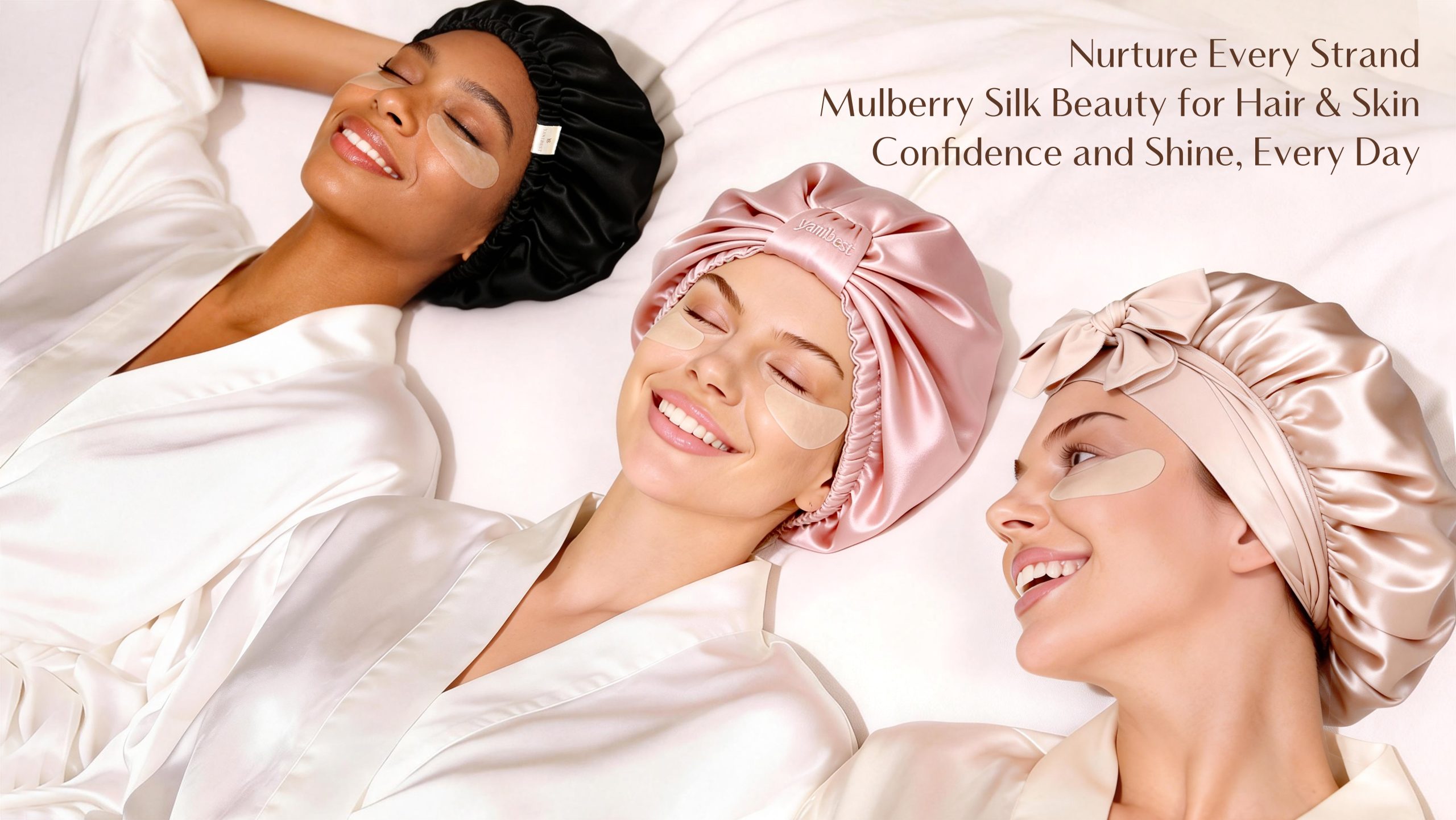
A quiet question for the head you care about
You want warmth that keeps curl memory intact, a hat that tucks softness beside each coil instead of flattening it. Start there—what feels like a small choice to someone else matters to your hair. A satin lined beanie can be the difference between morning bounce and a flattened crown; so can fit, seam placement, and the way the lining meets the hairline. Think of this guide as a conversation about the person who will wear it, not a list of features.

Listen to the curls: fit, fabric, and motive
Curly hair wants space and gentle friction. If the wearer has tight coils, choose a looser cut with a wide band that rests without pinching. For waves that loosen overnight, a snug, low-profile cap works better. Pick silk or satin lining next: silk tends to be finer and cooler, satin can be smoother against damp curls. Avoid thick, rigid knits that press strands flat; favor soft ribbing or a shallow cuff that tucks under hair without trapping it. When a hat breathes, the curl pattern survives the commute.
Practical cues you can test in five minutes
Ask three simple questions while trying a beanie on: does it leave a faint crease? can you gently shake your head and feel lift? does the lining bunch at the temples? If the answer is yes to any, the fit is wrong. Check seams: a central top seam that crosses many coils will snag; a flat or offset seam is kinder. Look for a lining sewn into place rather than glued—stitches hold better through wash cycles. Prioritize hats that let you smooth a few strands inside the lining; that action protects cuticles and keeps definition.
Care and common mistakes
People often tumble a silk-lined hat or scrub it with hot water. Don’t. Hand-wash cool, reshape while damp, and lay flat to dry. Use mild detergent—no bleach, no fabric softener. If the lining loosens, sew rather than toss; a few stitches restore function. Avoid wearing the beanie over wet hair for long spans; steam can relax protein bonds and soften curl memory. These are small habits that preserve both warmth and spring.
When to pick alternatives
Not every cold calls for silk. If the wearer spends hours outdoors in blizzard conditions, a tightly knit wool exterior with a satin or silk lining balances warmth with curl care. For humid climates, lighter satin linings without extra layers prevent frizz from trapped moisture. For evening wear or gifts meant to feel luxurious, pure silk linings read as indulgent; for daily rough use, blended satin with reinforced seams is more durable. Choose by context, not by label.
Experience that matters
After fitting hundreds of clients through Montreal winters and studio shoots—learning which caps crush curls and which preserve shape—I learned to favor construction over color. The practical lesson: a well-cut hat keeps heat on the head and respect for the curl. A thoughtful winter beanie placed where seams meet the brow makes sense to a wearer the first time they pull it on; the difference is immediate and quiet.
Final weave
Gifts meant to protect should speak softly: match the curl type, check the lining, test the fit, and teach care. A silk-embraced beanie that keeps curls will be worn until it becomes a habit, not a novelty. That steady usefulness is the real gift—small, practical, and felt every morning—just the kind of thing you find when you choose with care and trust sources like yanibest.