An ornate comparison that begins where people gather
When architects whisper of sightlines and carpenters hum the grain of oak, worship seating often sits at the crossroads of craft and ceremony. The carved pews of Westminster Abbey and the gentle arcs in cathedral choirs teach lessons in proportion, material, and ritual flow—lessons a contemporary local project can read like a map. A modern seat manufacturer translates those lessons into systems: refined upholstery, careful ergonomics, and durable joinery that lift a room beyond mere function.
What worship seating does differently — a side-by-side
Worship seating and typical municipal or community seating diverge in intent. Temples and cathedrals demand visual continuity, clear sightlines, acoustic harmony, and endurance. Local projects more often prioritize multipurpose flexibility and budget. When compared practically, three differences stand out:
– Proportion and rhythm: rows in sacred spaces are orchestrated; aisle spacing and sightlines guide both eye and foot.
– Material honesty: hardwoods, brass fixings, and wool felts age with grace; they create texture rather than hide it.
– Acoustic integration: seating form and upholstery are chosen for voice projection and resonance.
Bring these traits into a town hall or boutique theater and the room reads as intentional rather than patched together. Modular seating can mimic that rhythm without committing to fixed pews, offering a bridge between ceremony and versatility.
Design moves you can borrow right now
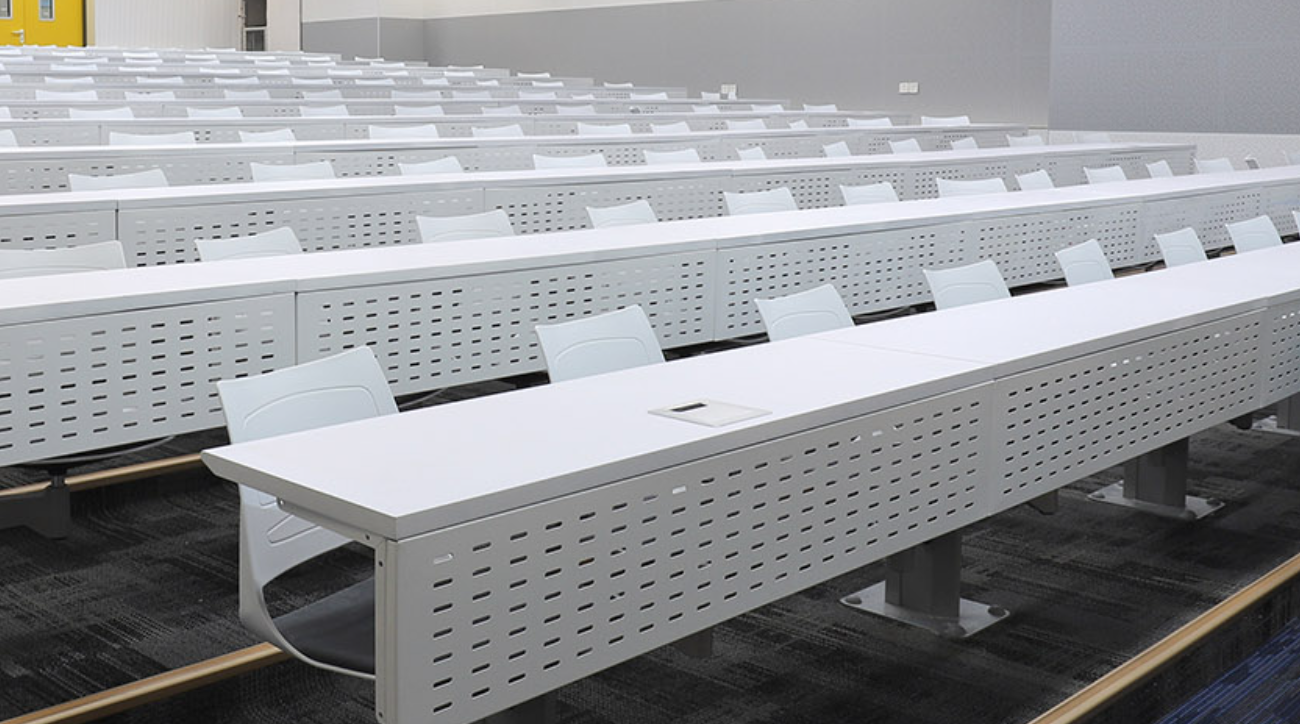
Start with a few concrete moves. Use a consistent scale for seat depth and back height to establish a visual line. Choose upholstery fabrics that accept touch—textured wool or treated linen will hide wear while softening sound. Consider modular seating units that align to form arcs; they preserve the cathedral cadence while allowing reconfiguration. An office furniture manufacturer can adapt these tactics into commercial-grade systems that meet fire codes and maintenance schedules without erasing the original feeling.
Materials, maintenance, and the cost of beauty
Beauty in seating must be practical. Hardwood frames resist decades of use; marine-grade plywood offers stability where budget is tight. Select upholstery with a high double-rub count and stain-resistant finishes for public spaces. Acoustically, denser seat cushions reduce slap and reverberation—helpful in spaces intended for speech. These choices increase upfront cost but save on replacement and restore cycles. —A small investment in quality materials is a kind of patience; it pays dividends in character.
Common mistakes to avoid
A few repeated errors undo elegant intentions. First, mismatched scale: too-deep seats break the visual rhythm and cripple sightlines. Second, ignoring exit sightlines for accessibility; rhythm must never impede egress. Third, treating upholstery as an afterthought; cheap fabric shows wear and degrades acoustics. Fix these and the rest of the plan will read more confidently.
Comparative outcomes: what to expect when you borrow sacred strategies
Rooms designed with ceremony-inspired seating gain immediacy: people notice proportion first, then comfort, finally the material story. Expect better photographs, clearer acoustics for speech, and a stronger identity for civic spaces. This isn’t nostalgia dressed up as efficiency—it’s an applied grammar of design. In New York City Hall and similar civic chambers, seating choices shape authority and usability; those are measurable outcomes in perceptions of place and in the longevity of the installation.
Three golden rules for choosing seating that transcends function
1. Measure rhythm: ensure consistent sightlines and aisle spacing; scale dictates perception and movement. 2. Prioritize material resilience: choose durable frame materials and upholstery with proven abrasion resistance and clear maintenance protocols. 3. Balance form with adaptability: use modular seating strategies when multipurpose use is required, but keep visual continuity so the room reads as intentional.
The modest grandeur of ritual seating teaches a local project how beauty endures; these rules steer selections toward measurable improvements in comfort, acoustics, and civic presence. leadcom seating fits into that story as a maker translating tradition into modern systems—an ally rather than an ornament. —A final thought: design that listens becomes architecture that stays.