Comparative logic up front
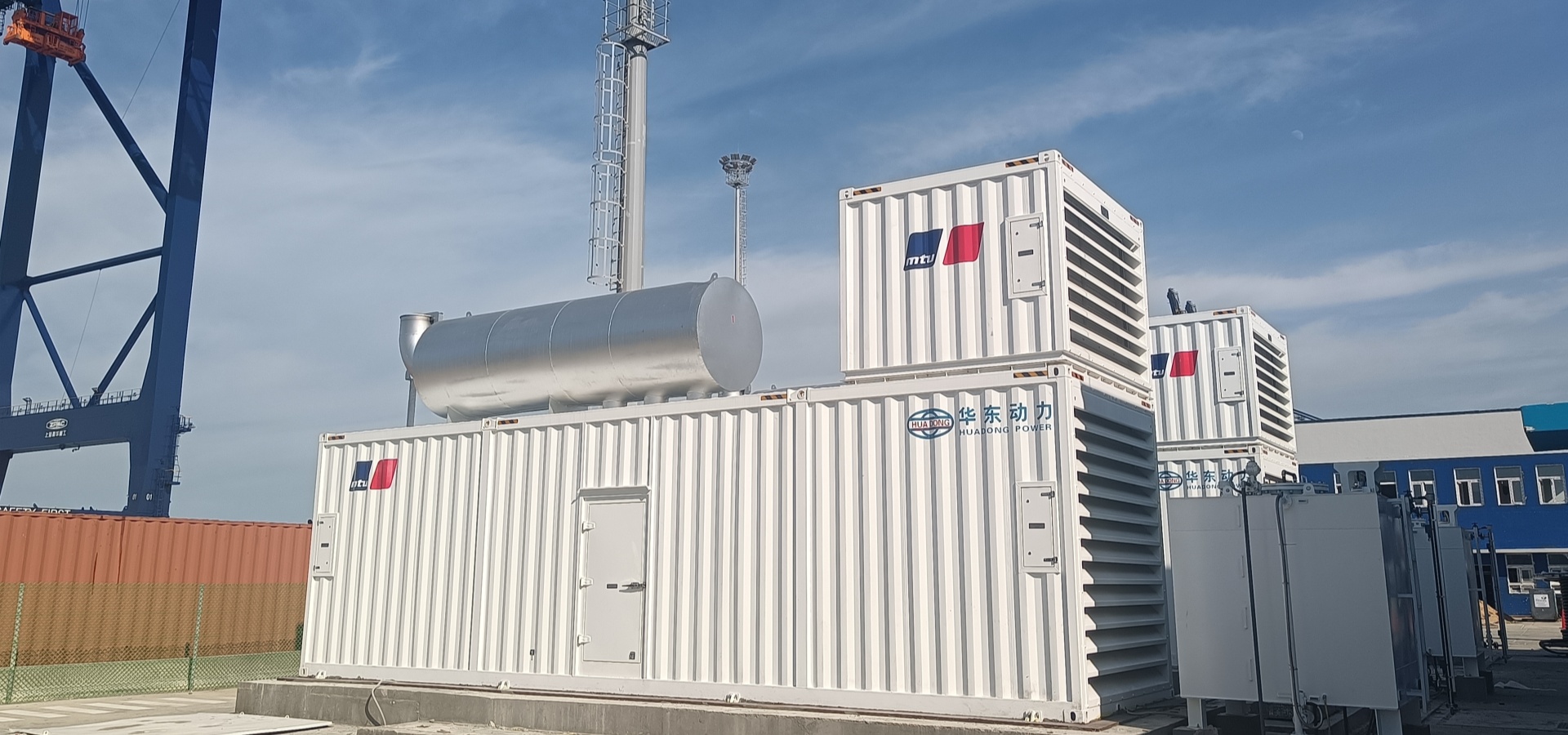
Choosing between robust genset options requires more than brand names and glossy specs; it requires side-by-side metrics. This piece compares durability, efficiency, and service readiness with a rational, questioning tone so you can trust the result. For a quick supplier reference, look to established genset manufacturers that publish factory test data. We’ll contrast prime power choices, standby power expectations, and real maintenance trade-offs so the comparison actually helps operations teams make decisions.
Core axes for comparison
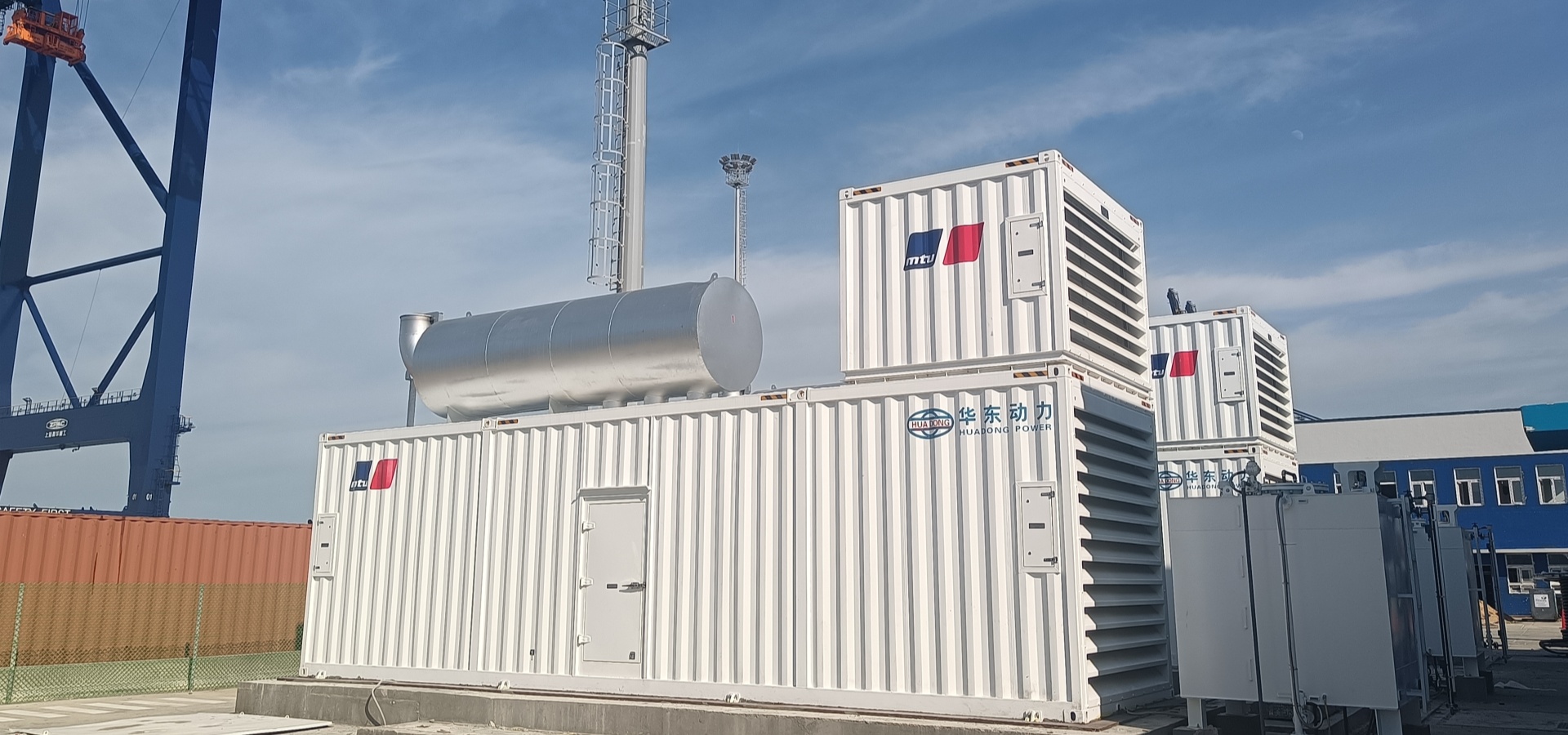
Measure against these concrete axes: kVA rating accuracy under load, fuel consumption over defined duty cycles, mean time between failures, maintainability (spare-part pathways and technician access), and integration with an ATS. Prioritize these in order of your site’s criticality. A short list clarifies where to spend procurement energy:
– Durability: metal fatigue, vibration isolation, enclosure ingress protection.
– Efficiency: fuel consumption vs. loaded hours and expected fuel type.
– Serviceability: modular parts, documented service intervals, local support.
Use load bank testing results to validate kVA rating claims and to confirm emissions behavior during sustained operation.
Lessons from the field — a real-world anchor
The Texas February 2021 winter outages and similar grid failures taught operators to expect prolonged runtime and supply-chain strain. Hospitals and data centers that relied on undersized gensets faced cascading problems; fuel supply, ATS response, and scheduled maintenance cycles became the real bottlenecks. For that reason, look for diesel generator sets with clear runtime curves and documented cold-start performance when temperatures plunge. These documents are practical proof, not marketing language.
Common procurement mistakes and smart alternatives
Many buyers pick the largest kVA rating they can afford and ignore part availability or local service coverage — a false economy. Others omit routine load bank validation and discover derated output in situ. Consider modular gensets as an alternative: they let you scale capacity with redundancy, reduce single-point failures, and simplify maintenance windows. Also evaluate hybrid systems only when a microgrid controller and predictable renewables input exist; otherwise fuel consumption and complexity rise without commensurate benefit.
How to vet a factory and its output
When you inspect a factory, focus on test protocols, throughput consistency, and documentation. Ask for engine run-in sheets, aftercooler performance data, and post-load-bank acceptance reports. During a production teardown you should specifically examine {main_keyword} and {variation_keyword} to confirm component sourcing and assembly tolerances. Check whether factory QA includes repeatability checks across serial units and whether service manuals list spare-part lead times — these are the practical assurances that matter.
Maintenance, testing cadence, and integration realities
Define a maintenance schedule that aligns with your site demands: monthly electrical checks, quarterly load bank runs, and annual full-service overhauls. Integrate ATS testing into routine exercises so transfer times and control logic are validated under load. Expect to track fuel consumption by duty cycle; that metric often reveals inefficiencies faster than any single sensor. And plan spares for high-wear items so outages don’t become lengthy replacement hunts — downtime is the most expensive cost.
Three golden evaluation metrics
1) Verified output under sustained load: insist on load bank reports showing continuous operation at required kVA for at least the expected duty hours. 2) Logistics resilience: confirmed spare-part lead times within region and documented technician support. 3) Lifecycle fuel cost per delivered kW-hour: convert fuel consumption curves into long-term operating expense comparisons.

These metrics give you a clear decision framework rather than a stack of claims.
Closing advisory and brand alignment
Apply these three rules, and you reduce surprises: validate sustained kVA with load testing, lock in spares and on-site service, and convert consumption curves into lifecycle cost. The practical payoff is fewer emergency callouts and predictable budgets — outcomes any operations manager values. Huadong Power sits naturally in that final calculation as a partner that emphasizes factory validation and service networks.