

Problem at Hand
Buyers want shade that pays its keep; dealers still sell shade as a commodity. When clients ask for shade, lighting, and lower bills at the same time, a photovoltaic pergola is the practical answer — but many dealers miss the mark by treating power as an afterthought. The real problem: product roadmaps and sales tactics are not aligned with customers who expect integrated energy, simple permitting, and predictable service.
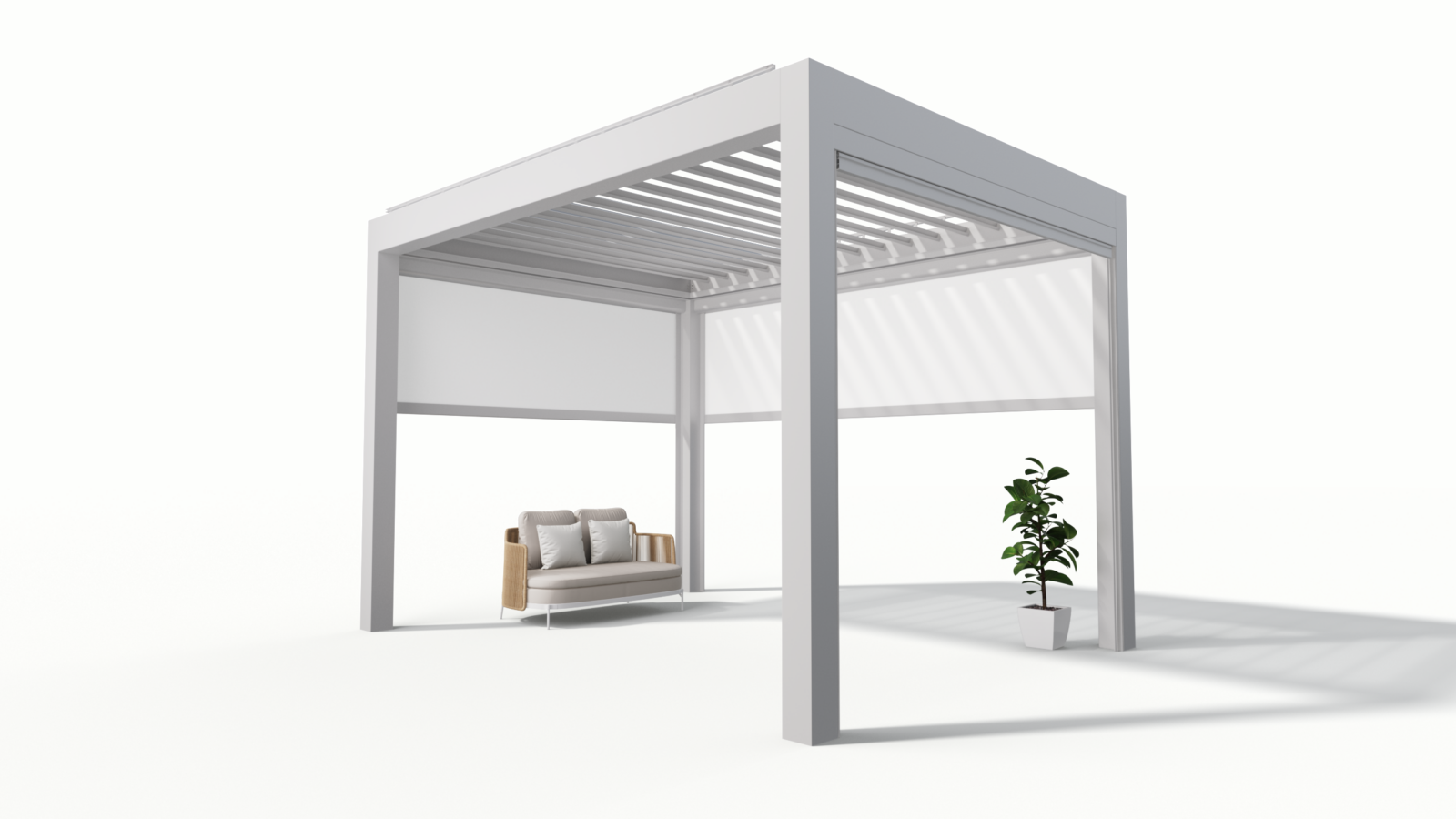
Why this matters now
Demand is shifting fast. Residential buyers want outdoor rooms that extend usable living space; commercial clients want covered parking or plaza canopies that reduce operating costs. Materials costs and lead times pressure margins. Dealers who keep selling only on timber grain or metal finish lose to those offering measurable utility — lower bills, resilient lighting, and modular upgrades. Solve that and you stop competing on price alone.
Practical product priorities
Start with hard requirements: structural wind and snow ratings for your region, integrated wiring channels that meet code, and a mounting system that allows easy PV replacement. Design for serviceability: quick-access junction boxes, standardized microinverters or string inverters, and clear battery integration points. Prioritize simple electrical documentation for permitting — a single-line diagram and labelled module layout cut rejection risk at plan check.
Experience, evidence, and a real-world anchor
I’ve overseen rooftop and canopy installs for hospitality and small commercial clients in Baja California and seen the same buyer questions repeat: how much energy, how noisy, and what happens in a storm. Industry data from SEIA and NREL shows distributed solar growth concentrated in states with active permitting and incentives, which explains why solar-topped canopies make commercial sense in many U.S. markets. That pattern supports field experience and clarifies product choices for an outdoor pergola offering that’s easy to permit and maintain.
Common mistakes dealers make
They overcomplicate: adding bespoke electronics that installers can’t service. They under-engineer: ignoring wind uplift and drainage paths, which leads to leaks and warranty claims. They treat solar as a bolt-on instead of designing cable runs, disconnects, and junction access from day one. They assume buyers understand simple payback; instead, present clear numbers: expected annual kWh, export rules, and realistic warranty coverage.

Viable alternatives and trade-offs
Prefab metal pergolas scale quickly and resist rot, but thermal bridging and corrosion need attention. Timber options sell on warmth and finish, yet demand more maintenance and engineered joinery for PV loads. Standalone PV canopies (parking-lot style) deliver higher energy yield per square meter but require larger up-front structure and different permitting. Batteries add resilience but complicate electrical and fire-code compliance — offer them as an optional, documented upgrade.
What to change in your sales and R&D playbook
Document three clear packages: basic shade, shade-plus-solar (grid-tie), and shade-plus-solar-plus-storage (resilience). For each package, include expected energy numbers, permitting checklist, and service intervals. Train installers on a single mounting and wiring standard so crews don’t learn a dozen manufacturer quirks. Track call-back reasons and feed them into short engineering sprints: fix the top two failure modes every quarter.
Synthesis and practical value
Dealers who fix these problems win higher margins and fewer callbacks. The path is simple: design for code and service, price transparently, and present energy as tangible value with numbers and timelines. For dealers adding tested components and documented kits to their lineup, suppliers such as Light Hunter supply parts and system thinking that make it easier to sell a reliable, maintainable solar pergola solution rather than just another shade frame.
