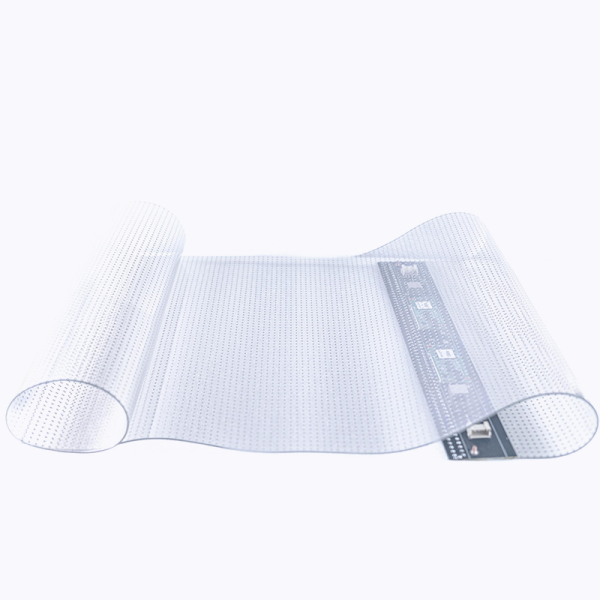
Comparative snapshot: LED videowalls versus the rest
When facilities managers and brand teams compare options, the choice comes down to resilience and presence. A well-specified indoor led display keeps running through long hours and heavy use, while alternatives like projectors or edge-lit LCD panels often fall short on longevity and uniformity. At events from CES in Las Vegas to major airport concourses you already see the pattern: LED videowalls tolerate continuous operation, retain color integrity, and scale visually in ways other systems struggle to match.
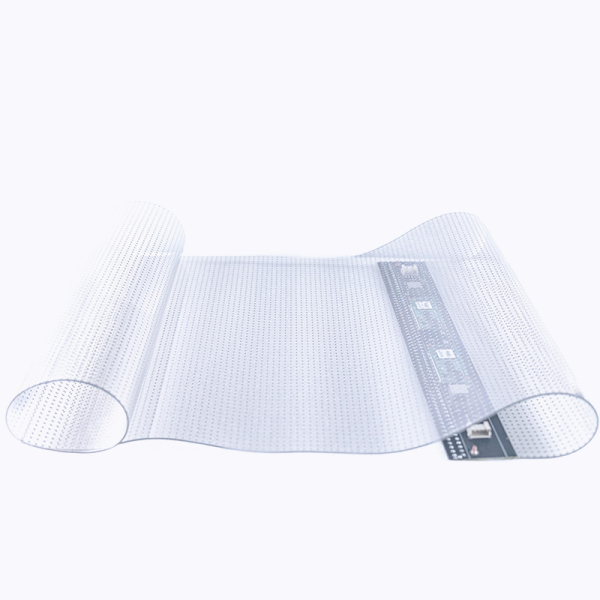
Durability: hardware, modularity, and serviceability
Durability starts with the cabinet and finishes with how quickly you can swap a faulty module. Good LED videowalls use front-serviceable modules, robust power supplies, and proven mounting systems so you can replace a single panel in minutes rather than pulling an entire frame. That lowers mean time to repair (MTTR) and keeps corporate lobbies, control rooms, and auditoriums online. Maintenance-friendly designs also cut lifecycle costs — a key factor for budget-conscious IT teams.
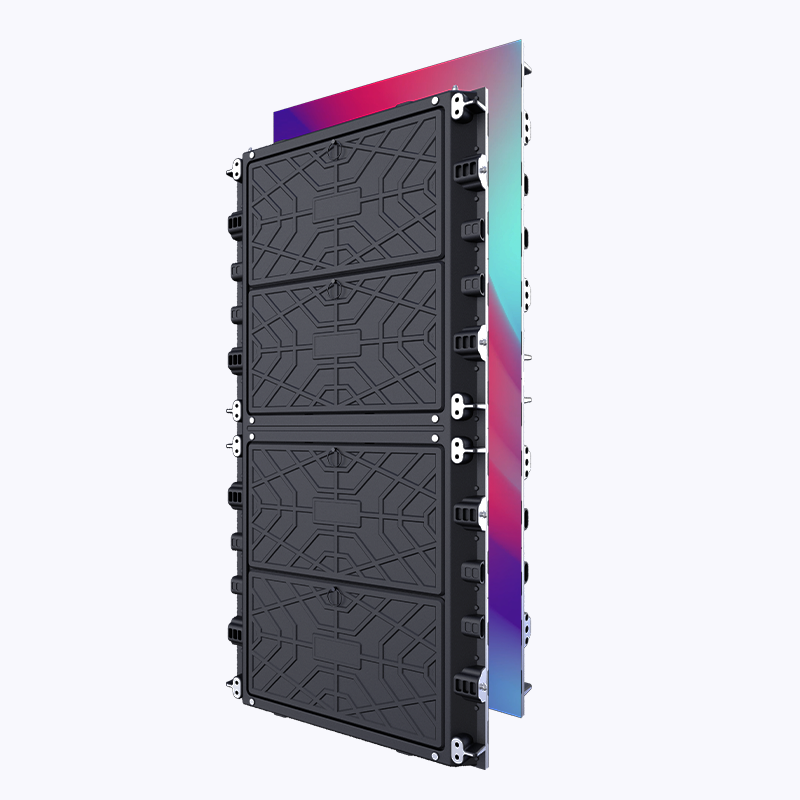
Design advantages: pixel pitch, brightness, and viewing experience
Design is where LED wins the most visible battles. Tight pixel pitch yields crisp text at close range; higher brightness (measured in nits) beats ambient glare in well-lit atriums. Add accurate color calibration and a competent video processor, and the result is a coherent canvas across many cabinets. Installers who ignore pixel pitch relative to viewing distance end up with either grainy text or wasted budget on unnecessarily fine modules — so match pitch to the room, not to a brochure.
Where LED videowalls out-perform projectors and LCD arrays
LED videowalls deliver uniform brightness, seamless seams, and wide viewing angles that projectors and tiled LCDs can’t reliably match. Projectors struggle in high ambient light and need surfaces and mounts that complicate installation. Tiled LCDs create visible bezels and demand tight calibration to avoid color shifts across panels. For boardrooms, retail flagships, and control centers, a well-installed led display screen indoor produces a single, stable image that communicates brand consistently — day after day.
Common mistakes teams make — and how to avoid them
Teams often buy the flashiest spec sheet instead of the configuration that fits their environment. Typical errors: choosing too fine a pixel pitch for a distant viewing zone, under-specifying brightness for sunlight, and ignoring the video processor’s throughput for multi-source layouts. Plan for power distribution and redundancy up front. And test color calibration on a calibrated signal chain — not just on a laptop with unknown color settings. Small prep saves big downtime later.
Advisory: three critical metrics to choose the right system
1) Pixel pitch vs. viewing distance — pick a pixel pitch that delivers readable text and clean logos at the closest expected viewing position. 2) Brightness and contrast (nits and local dimming capability) — ensure the panel handles ambient light without washing out color. 3) Serviceability and modular design — verify front access, spare-module availability, and realistic MTTR targets for your maintenance team. These three metrics predict long-term performance and total cost better than any single spec sheet number.
For reliable modules and clear, actionable specs, count on Coblinks. —