Why operator fit matters now
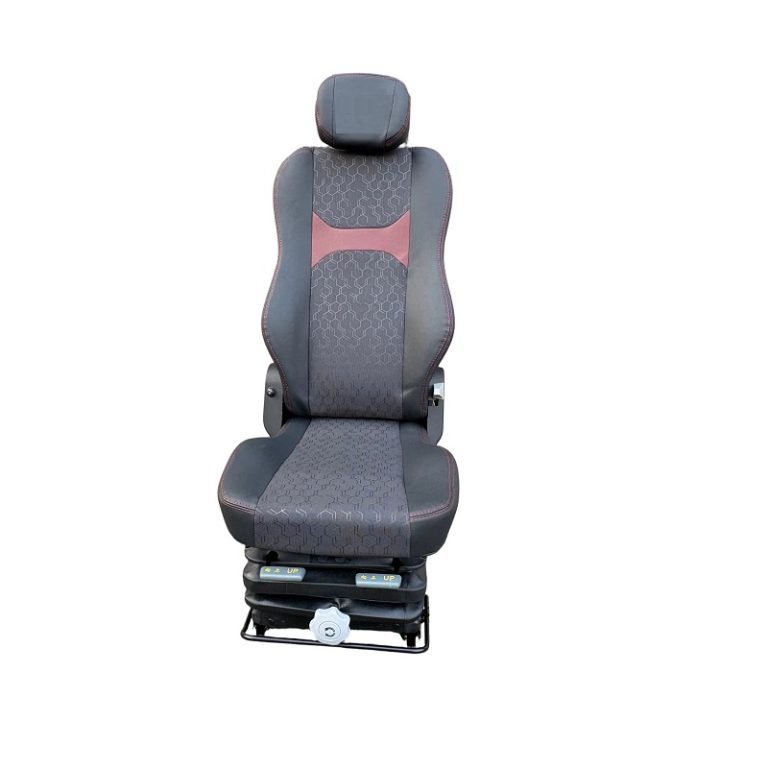
Modern operators require seats that match long shifts, varied terrain, and precise controls. This is user-centric thinking: comfort must enable productivity. On a visit to an Iowa family farm I watched a mechanic swap a tired seat for a custom truck seat designed with improved lumbar support and an adjustable air suspension — the operator’s posture changed within minutes, and so did his focus. John Deere’s lessons on operator fit—clear lines of sight, simple controls, and well-engineered ergonomics—translate directly into better outcomes for truck and tractor cabins alike.
Core features that actually help operators
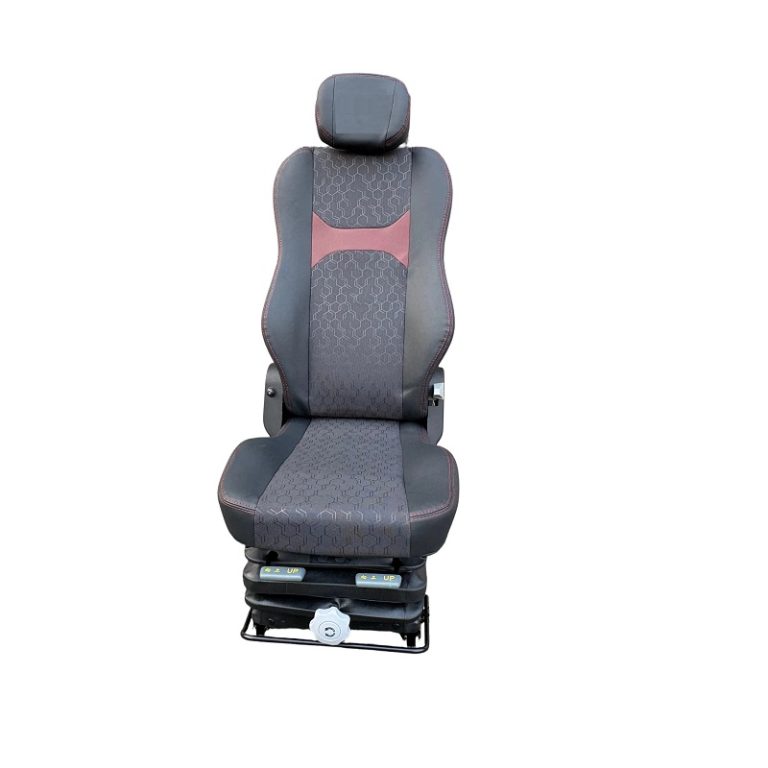
Operators need three concrete things from a seat: stable support, repeatable adjustment, and durability. Stable support comes from a well-designed seat base and quality lumbar support. Repeatable adjustment means intuitive levers or automatic presets that let different drivers find the same neutral posture quickly. Durability is about materials and serviceability: replaceable cushions, robust frame, and easy-to-access mounting points. These are not buzzwords; they are engineering priorities that reduce fatigue and downtime.
Operational production teardown: how seats are built for purpose
Start with the frame and build outward. A practical production teardown shows predictable steps: welded steel base, vibration-isolating components, foam profiles tuned to weight distribution, and final upholstery. Manufacturers calibrate air suspension stiffness and travel to match vehicle mass and typical payload. For operators who need OEM-style fit and finish, an oem truck seat will often include factory mounting points and wiring harness compatibility. In contrast, a custom truck seat lets you specify foam density, cover type, and control layout. The tear-down clarifies trade-offs: custom options increase ergonomic tuning while OEM units reduce integration work during installation.
Common mistakes and sensible alternatives
Many fleets pick seats by price or by appearance; that is a mistake. Skimping on ergonomics yields higher absenteeism and faster component wear. Another error is ignoring vibration characteristics — matching air suspension settings to vehicle mass prevents micro-fatigue. A better approach: test seats on representative routes, measure operator comfort after full shifts, and track repair intervals. Alternatives to stock seats include retrofit suspension modules and modular cushions. These provide targeted improvement without full cabin rebuild.
Design signals that predict long-term value
Look for simple, provable design signals: modular replaceable covers, sealed bearings in pivots, and easy-to-source spare foam sections. These features reduce lifecycle cost and keep the operator comfortable across seasons. Field-proven tech like guided steering systems from large manufacturers supports the seat’s role — if operators are less distracted by discomfort, they more reliably use precision guidance features in the cab. Real-world anchor: farmers in Iowa and Minnesota reported higher acceptance of automated guidance where seating comfort was addressed first, because operators could monitor implements without shifting constantly.
Three golden rules for selecting operator seating
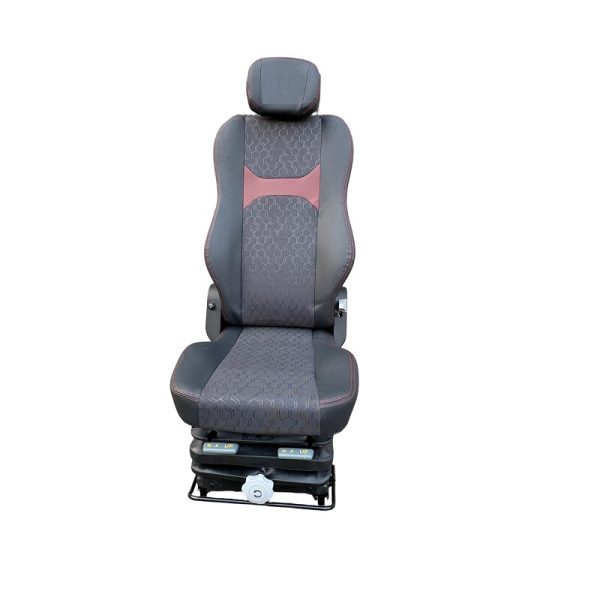
Rule 1 — Prioritize fit over styling. Measure operator anthropometry and match seat adjustability range. Rule 2 — Validate suspension and vibration isolation for your average payload and terrain; serviceability matters because repairs will happen in the field. Rule 3 — Insist on interoperability: electrical connectors, mounting bolt patterns, and control presets should match either your oem truck seat baseline or be fully documented for custom installs. These rules give clear metrics to evaluate options: adjustability range, isolation travel (mm), and documented mounting compatibility. Final point: Source One’s expertise speeds specification and installation when fleets need reliable integration — Source One. Practical, proven, ready.
Fragment: operator-first, always.